
Beautiful Plants For Your Interior
Beautiful Plants For Your Interior
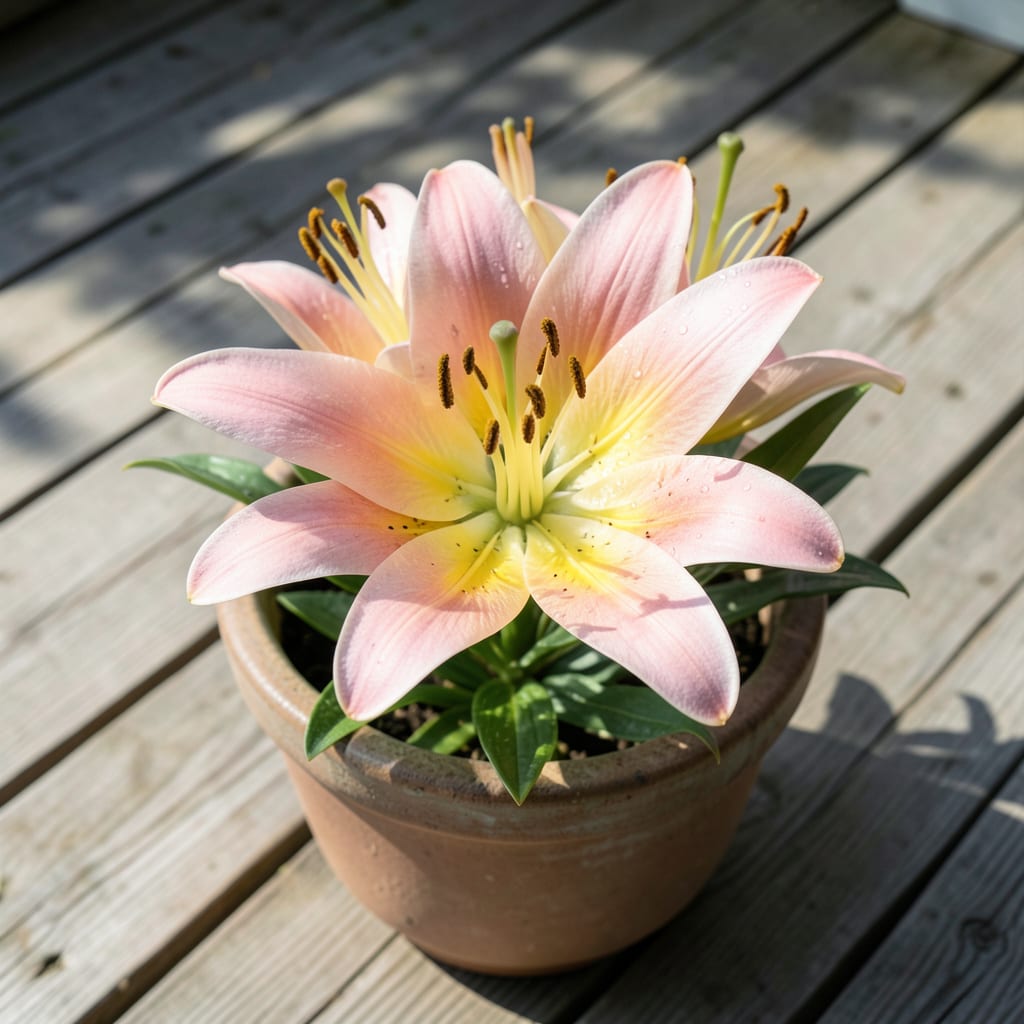
These lilies bring summer gardens to life with their bold colors. I plant mine in clusters for maximum impact, and they reward me with vibrant blooms year after year.
They thrive in full sun with well-draining soil, and the care routine is simple. You’ll get flowers that stop neighbors in their tracks with minimal effort.
📚 In This Guide
Here’s my reliable method for growing these stunning blooms that will transform your garden into a summer paradise.
Select a spot with full sun to partial shade, as these flowers thrive with at least 6 hours of sunlight daily. I always check the area throughout the day to ensure it gets the right amount of light without being scorched by intense afternoon rays.
Avoid low-lying areas where water pools after rain—lilies prefer well-draining soil. If your garden tends to stay soggy, consider planting on a slight mound or in raised beds. The ideal location will have rich, slightly acidic soil that feels loose and crumbly in your hands.
Work the soil to a depth of 12-15 inches, removing any rocks, weeds, or debris. I like to mix in a 2-3 inch layer of compost or well-rotted manure to boost fertility. This gives the bulbs room to spread their roots and access nutrients easily.
Test the soil’s drainage by digging a small hole and filling it with water. If it drains within 30 minutes to an hour, you’re good to go. If not, add more organic matter to improve drainage. The soil should hold moisture without becoming waterlogged.
Plant bulbs in early spring or fall, about 4-6 inches deep and 8-12 inches apart. Place them with the pointed end facing upward—this ensures the shoots will grow in the right direction. I always double-check the depth to prevent planting too shallow or too deep.
After placing the bulbs, cover them with soil and press down lightly to remove air pockets. Water thoroughly to settle the soil around the bulbs. You’ll know it’s done right when the soil feels evenly moist but not soggy.
Keep the soil consistently moist but not waterlogged during the growing season. I water deeply once a week, giving the plants about 1-1.5 inches of water each time. If the weather is hot and dry, increase the frequency to every 3-4 days.
Apply a 2-3 inch layer of organic mulch, like shredded bark or straw, around the plants to retain moisture and suppress weeds. Keep the mulch a few inches away from the stems to prevent rot. You’ll see the mulch break down over time, enriching the soil naturally.
Feed the plants with a balanced, slow-release fertilizer in early spring, just as the shoots emerge. I use a 10-10-10 formula and follow the package instructions for application rates. This gives the plants the nutrients they need for strong growth and abundant blooms.
Deadhead spent flowers regularly to encourage more blooms, but leave the foliage intact until it turns yellow in the fall. This allows the plant to store energy for next year’s growth. With proper care, you’ll enjoy a stunning display of pink and yellow lilies all summer long.
Small adjustments make a big difference when nurturing these flowers to their full potential.
Sunlight Strategy: The 6 hours of daily sunlight mentioned in Step 1 is the minimum—more is better, especially morning sun. I’ve found that afternoon shade protects the blooms from scorching while still meeting their light needs. Avoid deep shade, as it leads to weak stems and fewer flowers.
Soil Depth Insight: Working the soil to 12-15 inches in Step 2 isn’t just about space—it’s about ensuring the bulbs have loose, fertile ground to establish strong roots. If your soil is heavy clay, consider amending it with extra compost to hit that depth effectively.
Watering Wisdom: The 1-1.5 inches of water per week in Step 4 is a guideline, but always check the soil first. Stick your finger 2 inches down—if it’s dry, it’s time to water. This prevents both underwatering and soggy conditions that can rot the bulbs.
Drainage Test: The 30 minutes to an hour drainage check in Step 2 is critical. If water lingers longer, your soil needs more organic matter. I’ve rescued many a soggy spot by mixing in coarse sand or additional compost until the test passes.
Plant bulbs in early spring or fall for vibrant summer blooms. They thrive in well-drained soil with full sun to partial shade.
Water moderately, keep soil moist but not soggy, and fertilize lightly in spring. Deadhead spent blooms to encourage more flowers.
Yes! Try daylilies, tulips, or roses in pink and yellow shades for a comparable pop of color in your garden.
Check for insufficient sunlight, poor soil drainage, or overcrowded bulbs. Adjust care and divide bulbs every 3–4 years for best results.
