
Beautiful Plants For Your Interior
Beautiful Plants For Your Interior
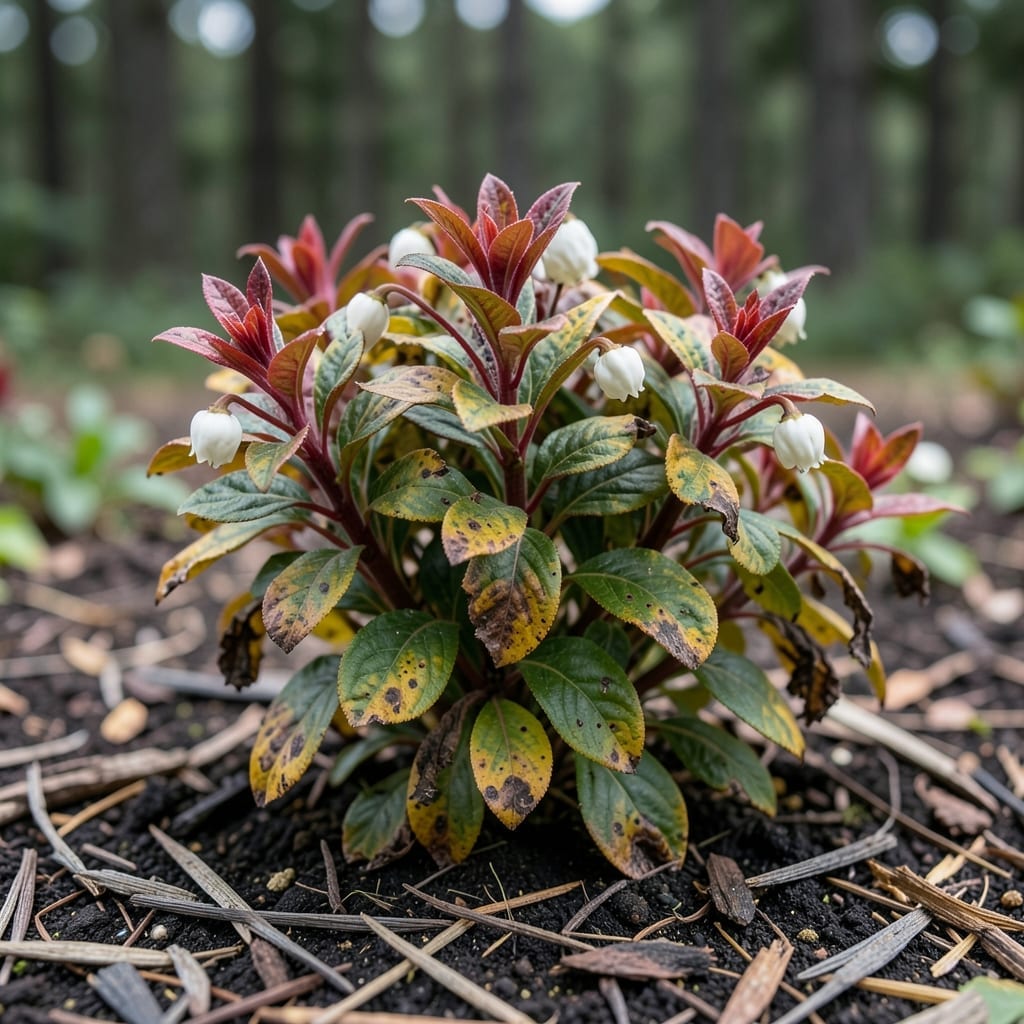
My Mountain Fire nearly died last spring, and I learned the hard way these plants scream for help in quiet ways. Yellowing leaves, stunted growth, or blackened tips aren’t just flaws—they’re distress signals you can fix.
Between you and me, most issues trace back to 3 things: wrong soil pH, water stress, or sneaky pests. The good news? Organic solutions work better than harsh chemicals and won’t harm the pollinators we all love.
You’ll spot the patterns once you know what to look for. A simple soil test, consistent watering, and vigilant pest checks can turn a struggling shrub into the showstopper it’s meant to be.
Works for any backyard, container, or garden bed. Here’s how to diagnose and fix it for good.
The Pieris Mountain Fire problem in plants typically arises from a combination of environmental, biological, and cultural factors. Below are the primary causes, explained scientifically for clarity and actionable insight.
The most common culprit is Phytophthora ramorum, a water mold that thrives in wet, poorly drained soils. This pathogen infects the roots and stems, disrupting water and nutrient uptake, leading to wilting, leaf scorch, and dieback. Other fungi like Botrytis cinerea can also exploit stressed or damaged plant tissues, especially in humid conditions.
Pieris plants are susceptible to root rot when soil remains waterlogged. Excess moisture reduces oxygen availability in the root zone, stressing the plant and making it vulnerable to fungal infections. Compacted or clay-heavy soils exacerbate this issue by trapping water.
Extreme temperatures, drought, or sudden frost can weaken Pieris species, reducing their natural defenses. Heat stress, for example, can cause leaf scorch, while cold snaps may damage tender new growth, creating entry points for pathogens.
Improper pruning, over-fertilization, or planting in unsuitable locations (e.g., full sun instead of partial shade) can stress the plant. Overuse of nitrogen-rich fertilizers promotes soft, succulent growth that is more prone to disease. Additionally, poor air circulation around the plant can encourage fungal spores to settle and germinate.
Pieris mountain fire can be frustrating, but with the right approach, you can restore your plant’s health. Below are targeted solutions for common causes, along with prevention tips to keep your Pieris thriving.
If the leaves are brown and crispy, your Pieris may be getting too much direct sunlight. Solution: Move the plant to a location with partial shade, especially during the hottest part of the day. If it’s planted in the ground, consider adding a shade cloth temporarily. Prevention tip: 💡 Plant Pieris in a spot with morning sun and afternoon shade to avoid future issues.
Wilting or yellowing leaves often signal heat or water stress. Solution: Water deeply at the base of the plant (not the leaves) in the early morning or late evening. Mulch around the base to retain moisture. Prevention tip: 🌧️ Maintain consistent soil moisture—Pieris prefers slightly acidic, well-draining soil. Drip irrigation can help deliver water evenly.
Spotted, discolored, or moldy leaves may indicate a fungal problem like leaf spot. Solution: Remove affected leaves immediately and dispose of them away from the plant. Apply a copper-based fungicide or neem oil spray as a natural treatment. Prevention tip: ✨ Improve air circulation by spacing plants properly and avoiding overhead watering.
Lace bugs or spider mites can cause stippling, yellowing, or webbing on leaves. Solution: Spray the plant with insecticidal soap or horticultural oil, focusing on the undersides of leaves where pests hide. Repeat every 5–7 days until the problem clears. Prevention tip: 🎯 Regularly inspect leaves for early signs of pests and encourage beneficial insects like ladybugs.
Stunted growth or chlorosis (yellowing between leaf veins) may indicate improper soil pH or nutrient deficiency. Solution: Test your soil—Pieris thrives in acidic soil (pH 5.0–6.0). Amend with sulfur or peat moss to lower pH if needed. Feed with an acid-loving plant fertilizer. Prevention tip: 🌱 Reapply mulch annually to maintain soil acidity and health.
Brown, crispy leaves often mean too much direct sunlight. Move it to partial shade, especially during peak heat. Use shade cloth for ground plants until they recover.
Look for spotted, discolored, or moldy leaves. Remove affected foliage immediately and treat with copper-based fungicide or neem oil. Avoid overhead watering to prevent recurrence.
Use insecticidal soap or horticultural oil, focusing on leaf undersides. Repeat every 5-7 days until pests are gone. Encourage ladybugs as natural predators.
Test your soil—Pieris needs acidic conditions (pH 5.0-6.0). Amend with sulfur or peat moss if needed. Annual mulching helps maintain proper acidity.