
Beautiful Plants For Your Interior
Beautiful Plants For Your Interior
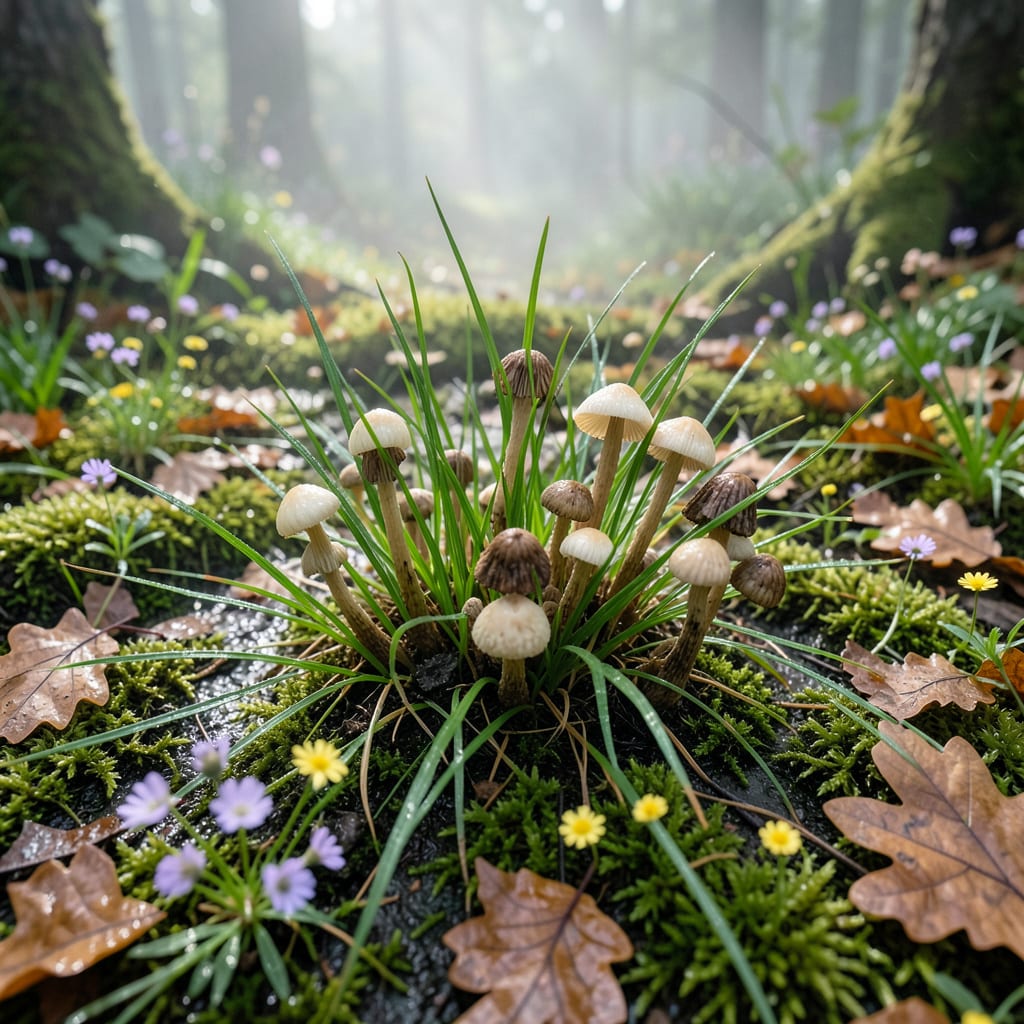
Your lawn’s brown patches might be screaming for help. I’ve seen too many perfect green yards turn into fungal playgrounds overnight because of missed early signs.
Fair warning: most people treat the wrong thing because they guess at the problem. The key is spotting the exact pattern—whether it’s circular, spreading, or powdery—before it takes over.
With the right visual guide, you’ll catch issues when they’re still fixable. No more wasting money on treatments that don’t work or making things worse.
Works for any grass type, any climate. Here’s how to read the signs like a pro.
Grass fungus thrives under specific environmental and cultural conditions. Below are the primary causes, explained with actionable insights to help you prevent and address them.
Overwatering or poor drainage creates a damp environment where fungal spores multiply rapidly. Grass blades stay wet for extended periods, especially in shaded areas, providing the perfect breeding ground. Fix it: Water deeply but infrequently (1–1.5 inches per week) and ensure proper soil drainage.
Fungal diseases like brown patch or dollar spot flourish in temperatures between 60–90°F (15–32°C) with high humidity. Evening watering can exacerbate this, as moisture lingers overnight. Fix it: Water in the early morning to allow grass to dry quickly and improve air circulation.
Thick thatch layers (over 0.5 inches) or compacted soil restrict airflow, trapping moisture and encouraging fungal growth. Fix it: Aerate your lawn annually and dethatch if needed to promote better air and water movement.
Over-fertilizing with nitrogen or deficiencies in potassium and phosphorus weaken grass, making it more susceptible to fungal infections. Fix it: Conduct a soil test and apply a balanced fertilizer (e.g., 10-10-10) to maintain healthy turf.
Fungal spores can spread via lawnmowers, rakes, or shoes used on infected areas. Fix it: Clean tools with a 10% bleach solution or rubbing alcohol after use to prevent cross-contamination.
Dealing with grass fungus doesn’t have to be a losing battle. Below are targeted solutions for the most common causes, along with prevention tips to keep your lawn vibrant and healthy.
If excess moisture is the culprit, cut back on watering. Grass typically needs about 1 to 1.5 inches of water per week, including rainfall. Water deeply but infrequently—early in the morning—to allow the grass to dry out during the day. Use a rain gauge to track moisture levels accurately.
Prevention tip: 💡 Improve drainage in low-lying areas by aerating the soil or adding compost to boost absorption.
Thick thatch or overgrown grass can trap moisture and encourage fungus. Dethatch your lawn if the layer exceeds 0.5 inches, and mow regularly, keeping grass at the recommended height for its type (usually 2-4 inches). Trim nearby bushes or trees to improve airflow.
Prevention tip: 🎯 Mow with sharp blades to avoid tearing grass, which can invite infection.
For active outbreaks like brown patch or dollar spot, use a fungicide labeled for your specific fungus. Follow the instructions carefully, focusing on affected areas. Organic options like neem oil or baking soda solutions can work for mild cases.
Prevention tip: ✨ Rotate fungicides to prevent resistance, and always apply before a forecasted rainy period.
During heatwaves or humid spells, reduce foot traffic on the lawn to avoid stress. Water in the early morning to prevent evaporation loss and fungal growth. Consider shade-tolerant grass varieties if your lawn struggles in hot climates.
Prevention tip: 🌡️ Test soil pH annually—fungi thrive in imbalanced soil. Aim for a pH between 6.0 and 7.0.
Look for circular brown patches, powdery coatings, or slimy textures on grass blades. Early signs include discoloration and irregular patterns. Compare these to reference images for accurate identification.
Water in the early morning, improve drainage, and aerate compacted soil. Avoid over-fertilizing and keep mower blades clean to reduce spore spread.
Yes, a baking soda solution (1 tablespoon per gallon of water) can help mild cases. Neem oil is another organic option. For severe outbreaks, use labeled fungicides.
