
Beautiful Plants For Your Interior
Beautiful Plants For Your Interior
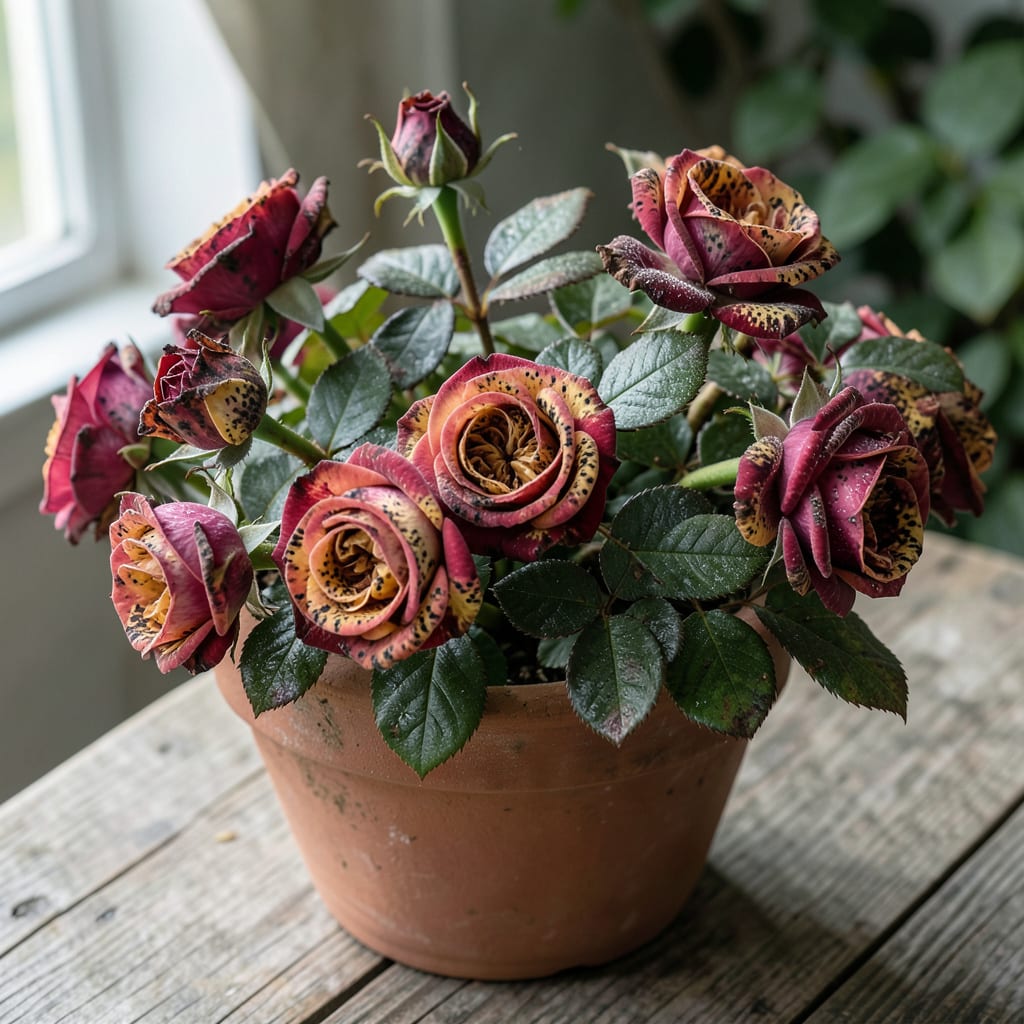
Black spots, yellow leaves, or powdery residue on your knockout roses? These visual cues often signal common fungal diseases that can spread quickly if ignored.
I’ve seen healthy bushes turn into problem zones overnight. The good news is most issues are fixable with early action. You’ll spot the warning signs before they take over.
This guide pairs clear images with simple descriptions so you can diagnose fast. No guesswork—just targeted solutions for each specific symptom.
From prevention tips to step-by-step cures, you’ll restore your roses to their vibrant, disease-free state. Let’s identify and tackle the problem together.
Diseases in Knockout roses often stem from environmental, fungal, or cultural stressors. Below are the most common causes, explained with actionable insights to help you diagnose and prevent them.
Knockout roses are highly susceptible to fungal pathogens like black spot (Diplocarpon rosae), powdery mildew (Podosphaera pannosa), and rust (Phragmidium mucronatum). These thrive in humid, wet conditions with poor air circulation. Overhead watering, crowded plantings, or prolonged leaf wetness create ideal breeding grounds. Fungal spores spread via wind or splashing water, infecting leaves, stems, and buds.
Excess moisture—whether from overwatering, heavy clay soil, or inadequate drainage—leads to root rot (Phytophthora spp.) or foliar diseases. Roses need 1–2 inches of water per week, applied at the base to avoid wetting foliage. Soggy roots suffocate, weakening the plant and making it vulnerable to secondary infections.
Extreme heat, drought, or sudden temperature swings stress Knockout roses, compromising their immune response. Heat stress can cause leaf scorch or defoliation, while cold snaps may lead to dieback. Inconsistent care (e.g., irregular watering or fertilizing) also triggers susceptibility to pests and diseases like canker (Coniothyrium spp.).
Pests like aphids, Japanese beetles, or spider mites damage rose tissues, creating entry points for pathogens. Aphids, for example, excrete honeydew, promoting sooty mold growth. Regular inspection and early intervention (e.g., neem oil or insecticidal soap) can prevent pest-related disease spread.
Imbalanced soil pH or lack of key nutrients (e.g., nitrogen, potassium, or magnesium) weakens roses. Yellowing leaves (chlorosis) often signal iron deficiency in alkaline soils. Conduct a soil test and amend with compost or targeted fertilizers to restore vigor.
When your knockout roses show signs of disease, quick and targeted action can restore their health. Below are practical solutions for common issues, paired with prevention tips to keep problems from returning.
Fix: Remove infected leaves immediately and dispose of them in the trash (not compost). Apply a copper-based fungicide or neem oil every 7–10 days until the spots disappear. Prune the plant to improve airflow.
Prevention: Water at the base early in the day so foliage dries quickly. Space plants 3–4 feet apart to reduce humidity buildup. 💡 Pro Tip: A thin layer of mulch prevents soil-borne spores from splashing onto leaves.
Fix: Spray affected areas with a mix of 1 tablespoon baking soda + 1 teaspoon dish soap + 1 gallon of water. For severe cases, use sulfur-based fungicides. Remove heavily infected stems.
Prevention: Choose mildew-resistant varieties and plant in full sun (6+ hours daily). Avoid overhead watering, and thin out dense growth to improve circulation.
Fix: Blast pests off with a strong stream of water or apply insecticidal soap. For beetles, handpick them in the early morning when they’re sluggish, or use kaolin clay as a barrier.
Prevention: Encourage natural predators like ladybugs by planting dill, fennel, or marigolds nearby. Apply beneficial nematodes to the soil to target larvae. 🎯 Pro Tip: Yellow sticky traps can monitor and reduce aphid populations.
Fix: Stop watering immediately and let the soil dry out. Trim black, mushy roots and repot in well-draining soil. For container roses, ensure pots have drainage holes.
Prevention: Water only when the top 1–2 inches of soil are dry. Use raised beds or amend heavy clay soil with compost or sand to improve drainage.
Black spots are a classic sign of fungal infection, often black spot disease. Remove affected leaves immediately and treat with fungicide to prevent spreading.
Yellow leaves can indicate overwatering, nutrient deficiency, or pest damage. Check soil moisture and inspect for aphids or spider mites before treating.
Yes! Prune infected areas and spray with a baking soda solution or fungicide. Improve airflow and reduce overhead watering to prevent recurrence.
Check your plants weekly for early signs of disease or pests. Early detection makes treatment far more effective and less invasive.
