
Beautiful Plants For Your Interior
Beautiful Plants For Your Interior
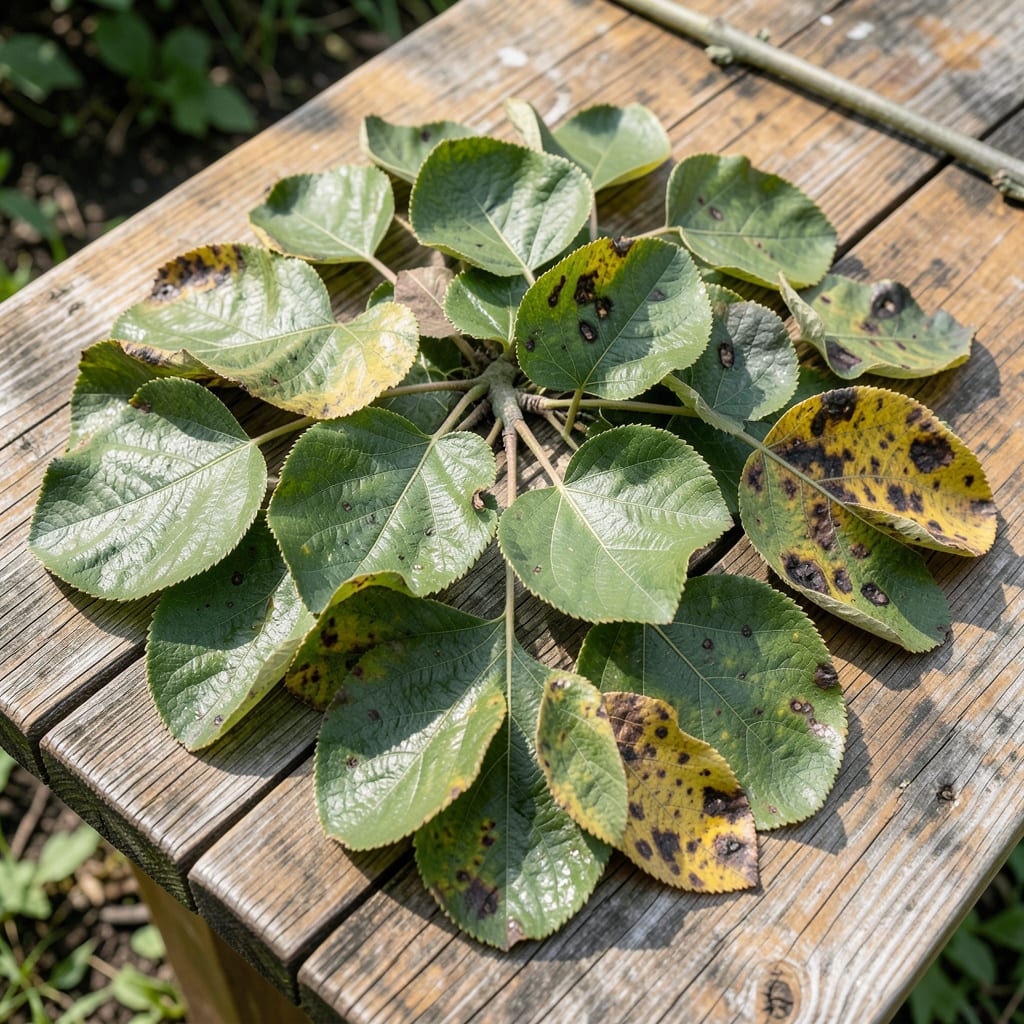
Spotted yellow leaves on your apple tree aren’t just ugly—they’re a warning. I’ve seen brown spots, curled edges, and powdery coatings wipe out entire harvests when ignored.
This visual guide helps you match what you’re seeing to the right problem. No guesswork, just clear photos and descriptions of the most common leaf diseases hitting apple trees.
Each entry includes the symptoms, what causes it, and—most importantly—how to treat it. You’ll know exactly when to prune, spray, or just wait it out.
Early action saves trees and next year’s fruit. Here’s how to diagnose like a pro.
Understanding why apple tree leaves develop disease is the first step to effective treatment and prevention. Several factors can lead to leaf discoloration, spots, or wilting. Below are the most common causes, explained in clear, scientific terms.
Fungi like Venturia inaequalis (apple scab) and Podosphera leucotricha (powdery mildew) thrive in damp, cool conditions. These pathogens produce spores that infect leaves, causing dark lesions, yellowing, or a white powdery coating. Fungal diseases often spread rapidly in crowded or poorly ventilated orchards.
Bacteria such as Erwinia amylovora (fire blight) enter through wounds or natural openings, leading to blackened, wilted leaves that appear scorched. Bacterial leaf spot, caused by Pseudomonas syringae, creates small, water-soaked spots that later turn brown or black. These infections flourish in warm, wet weather.
Insects like aphids, mites, and apple maggots damage leaves by feeding on sap or laying eggs. Aphids, for instance, excrete honeydew that promotes sooty mold growth, while mites cause stippling or bronzing. Pest-related stress weakens the tree, making it more susceptible to secondary infections.
Lack of essential nutrients—such as nitrogen, magnesium, or iron—can manifest as leaf discoloration. For example, nitrogen deficiency leads to pale yellow leaves, while magnesium deficiency causes interveinal chlorosis (yellowing between veins). Poor soil health or improper fertilization often triggers these issues.
Extreme temperatures, drought, or waterlogging can stress apple trees, reducing their ability to resist disease. Heat stress may cause leaf scorch, while excessive moisture encourages fungal and bacterial growth. Additionally, poor air circulation in dense plantings can trap humidity, fostering infections.
Once you’ve identified the issue, these targeted fixes will help restore your apple tree’s health. Address each problem early to prevent spread and long-term damage.
Prune and destroy infected leaves and fruit to stop the fungus from spreading. Apply copper fungicide or sulfur-based sprays in early spring before buds open, then reapply every 7–10 days during wet weather. Prevention tip: Rake and burn fallen leaves in autumn to eliminate overwintering spores. 💡
Trim crowded branches to boost air circulation. Spray affected leaves with neem oil or baking soda solution (1 tbsp baking soda + 1 tsp dish soap + 1 gallon water). Prevention tip: Avoid overhead watering—keep foliage dry to discourage fungal growth. ✨
Blast pests off leaves with a strong stream of water, then apply insecticidal soap or horticultural oil. For severe infestations, introduce beneficial insects like ladybugs. Prevention tip: Inspect leaves weekly and remove eggs or nymphs by hand. 🎯
Cut off infected branches 6 inches below visible damage and sterilize tools with rubbing alcohol between cuts. Apply copper-based bactericide in early spring. Prevention tip: Disinfect pruning shears after each use to avoid spreading bacteria. 🌡️
Test soil and apply a balanced fertilizer (e.g., 10-10-10) or amend with compost for organic nutrients. Yellow leaves may signal nitrogen deficiency—use a high-nitrogen feed. Prevention tip: Fertilize in early spring before new growth starts. 💪
Disease-caused yellowing often appears as spots or patches, while natural aging affects entire leaves uniformly. Check for additional signs like spots, curling, or unusual textures to confirm disease.
Not always. Brown spots can also result from bacterial infections, pest damage, or environmental stress like drought. Examine the pattern and location of spots for clues about the cause.
Early intervention is key. Treat at the first sign of trouble, ideally in early spring before problems spread. Regular inspections help catch issues before they become severe.
Yes, many leaf diseases are contagious. Remove and destroy affected leaves promptly to prevent spreading to other apple trees or nearby plants. Always disinfect tools after handling infected material.
