
Beautiful Plants For Your Interior
Beautiful Plants For Your Interior
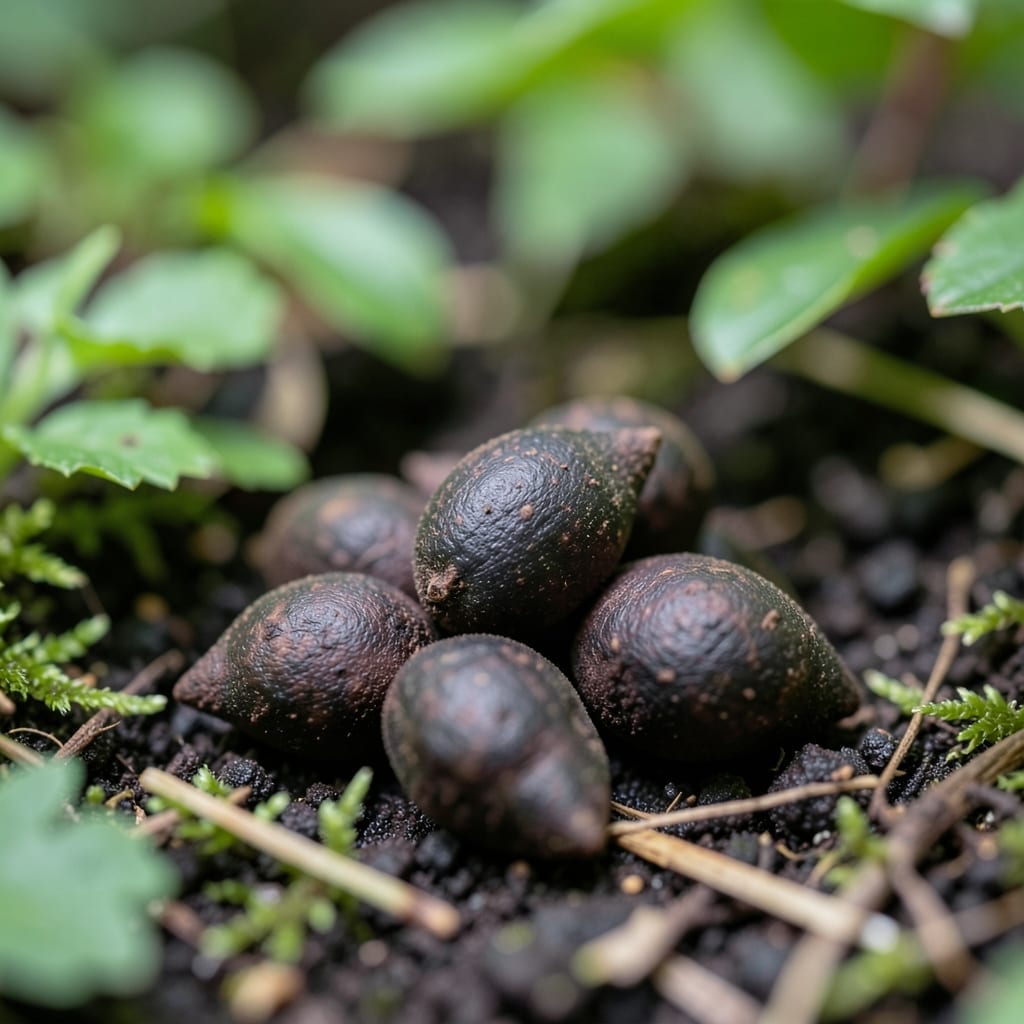
I found my first deer droppings nestled between my hostas last spring. Small, dark pellets scattered like nature’s calling card—definitely not rabbit or squirrel.
Identifying deer droppings helps you confirm what’s been browsing your garden. Typically 1/2 inch long, pointed at one end, and clustered in small piles. Fresh ones look dark and moist.
The real clue is their location—deer usually deposit while walking, so you’ll find them in lines or loose groups. In winter, they’re often near feeding areas and bedding sites.
Once you recognize the signs, you can take steps to protect your plants before the damage gets worse. Here’s what to look for in the field.
Deer droppings are a common sight in gardens, forests, and fields, and understanding why they appear can help you manage their presence. Here’s a breakdown of the primary causes:
Deer are herbivores with a specialized digestive system. Their diet consists of leaves, twigs, fruits, and grasses, which are high in fiber. This fiber-rich diet results in pellet-like droppings because their stomachs ferment food before it passes through the intestines. The efficient digestion process breaks down tough plant material, leaving behind compact, dry pellets.
Deer use droppings as a form of communication. Males, in particular, may deposit scat in visible locations to mark territory or signal dominance. This behavior is more pronounced during mating seasons when competition for mates increases. The droppings serve as a chemical signal to other deer, conveying information about the animal’s health, diet, and reproductive status.
Deer are crepuscular, meaning they are most active at dawn and dusk. As they move through their habitat, they defecate frequently—often while walking—to avoid carrying excess weight. This explains why you might find scattered droppings along trails or near feeding areas. Gardens with lush vegetation attract deer, leading to more droppings in these spots.
Diet shifts with the seasons, which affects droppings. In spring and summer, deer consume tender shoots and fruits, producing softer, darker pellets. In winter, their diet switches to woody browse, resulting in harder, lighter-colored droppings. These variations help trackers and gardeners identify the time of year based on scat appearance.
Deer droppings in your garden signal unwanted visitors. Here’s how to solve the issue based on common causes, with practical fixes and prevention tips to reclaim your space.
Deer are drawn to dense, sheltered spots. Trim tall grass, bushes, and weeds near your garden to remove hiding spots. Install a 3-foot-wide clearing around the perimeter to discourage them from lingering.
Prevention tip: 💡 Maintain regular yard upkeep, especially in wooded areas, to make your garden less appealing.
A physical barrier is the most effective deterrent. Use 8-foot-tall fencing for optimal results, as deer can jump surprisingly high. For smaller gardens, try slanted or electric fences for added security.
Prevention tip: 🎯 Combine fencing with motion-activated lights or sprinklers for extra protection.
Deer love easy meals. Secure compost bins, pick up fallen fruits/nuts, and avoid leaving pet food outside. Plant deer-resistant species like lavender, marigolds, or barberry to naturally repel them.
Prevention tip: ✨ Rotate repellent plants seasonally to keep deer guessing.
Deer need water daily. Fix leaky hoses, drain birdbaths, or use drip irrigation to minimize accessible water. If you have a pond, consider a motion-activated sprinkler to startle them away.
Prevention tip: 🌡️ Position water sources (like fountains) closer to your home where deer are less likely to venture.
Apply commercial deer repellents (like Bobbex or Liquid Fence) or DIY solutions (rotten eggs, garlic, or hot sauce sprays). Reapply after rain, and rotate scents to prevent deer from getting used to them.
Prevention tip: 🔥 Hang soaps or human hair clippings in mesh bags around the garden—deer dislike human scents.
Fresh pellets are dark, moist, and have a strong odor. Older ones dry out, turn grayish, and lose their smell. Check for shiny surfaces or undigested plant bits for recent deposits.
Size changes with diet and deer age. Larger adults produce 1/2-inch pellets, while fawns leave tiny versions. Winter droppings may be smaller due to scarce food sources.
Yes, they may carry E. coli or parasites harmful to plants. Always wear gloves when handling, and wash hands thoroughly afterward to prevent contamination.
Use a ruler for scale, shoot in natural light, and capture multiple angles. Include nearby plants or soil in the frame for context.