
Beautiful Plants For Your Interior
Beautiful Plants For Your Interior
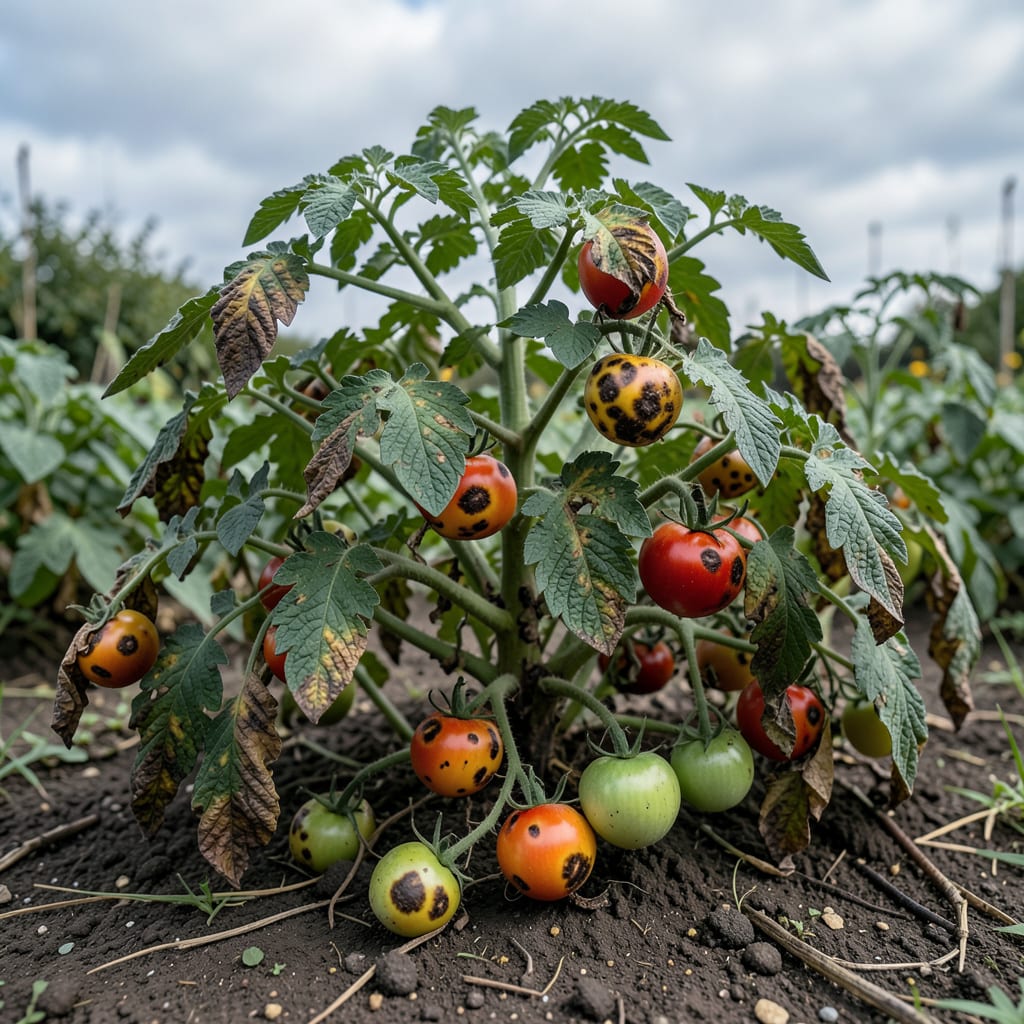
Spotted brown patches on your tomato leaves aren’t just ugly—they’re a warning. I’ve lost entire crops to blight before learning to catch it early, and the difference between salvage and disaster is often just 24-48 hours of quick action.
Early blight starts with small, concentric rings on lower leaves while late blight shows up as greasy, expanding spots. Both spread fast in wet conditions, but the first signs are subtle. I check my plants daily now, especially after rain or heavy dew.
What you do next matters more than the diagnosis. Remove infected leaves immediately, improve air circulation, and stop overhead watering. These steps can save the rest of your plants and next year’s crop too.
Prevention is simpler than cure. Rotate crops, use mulch, and choose resistant varieties. My garden’s been blight-free for three seasons with this approach.
Blight on tomato plants typically stems from fungal pathogens, environmental conditions, or poor cultural practices. Below are the primary causes, explained with actionable insights to help you prevent and address them.
Early blight (Alternaria solani) and late blight (Phytophthora infestans) are the most common culprits. These fungi thrive in warm, wet conditions. Early blight causes concentric rings on leaves, while late blight leads to rapid, water-soaked lesions. Both spread via spores in soil, water, or air.
Overwatering, poor drainage, or high humidity create ideal conditions for fungal growth. Wet foliage, especially overnight, accelerates spore germination. Ensure proper spacing between plants for airflow and water at the base to keep leaves dry.
Fungal spores can overwinter in soil or contaminated seed. Using infected seed or planting in previously blighted soil introduces the pathogen. Rotate crops yearly and use certified disease-free seeds or seedlings to break the cycle.
Dense plantings or lack of pruning restrict airflow, trapping moisture and promoting fungal spread. Prune lower leaves and stake or trellis plants to improve ventilation and reduce humidity around foliage.
Cool nights (below 50°F/10°C) with warm days stress plants, making them more susceptible to late blight. Use row covers to stabilize temperatures and monitor weather forecasts to preemptively protect plants during high-risk periods.
Tackling blight on tomato plants starts with identifying the type—early blight or late blight—and acting fast. Here’s how to fix each issue and prevent future outbreaks.
Start by pruning infected leaves immediately—use clean shears and dispose of debris in sealed bags (not compost). Apply a copper-based fungicide or neem oil spray every 7–10 days, especially after rain. Prevention tip: 🌱 Rotate crops yearly, avoid overhead watering, and space plants for airflow.
Late blight spreads rapidly, so remove entire infected plants (roots and all) to stop the cycle. Treat remaining plants with potassium bicarbonate or approved fungicides. Prevention tip: 💡 Avoid planting tomatoes near potatoes, and use drip irrigation to keep foliage dry.
Strengthen plants with balanced fertilizer (avoid excess nitrogen) and mulch to reduce soil splashing. Pro tip: ✨ Inspect plants weekly—early spots are easier to control than full-blown outbreaks!
Early blight shows as small, concentric rings on lower leaves. Late blight appears as large, greasy, dark spots that spread quickly in wet weather.
For early blight, yes—if you act fast and improve conditions. Late blight usually requires removing entire plants to save the rest.
Remove infected parts immediately, then apply a copper fungicide. Always water at the base and increase airflow between plants.
