
Beautiful Plants For Your Interior
Beautiful Plants For Your Interior
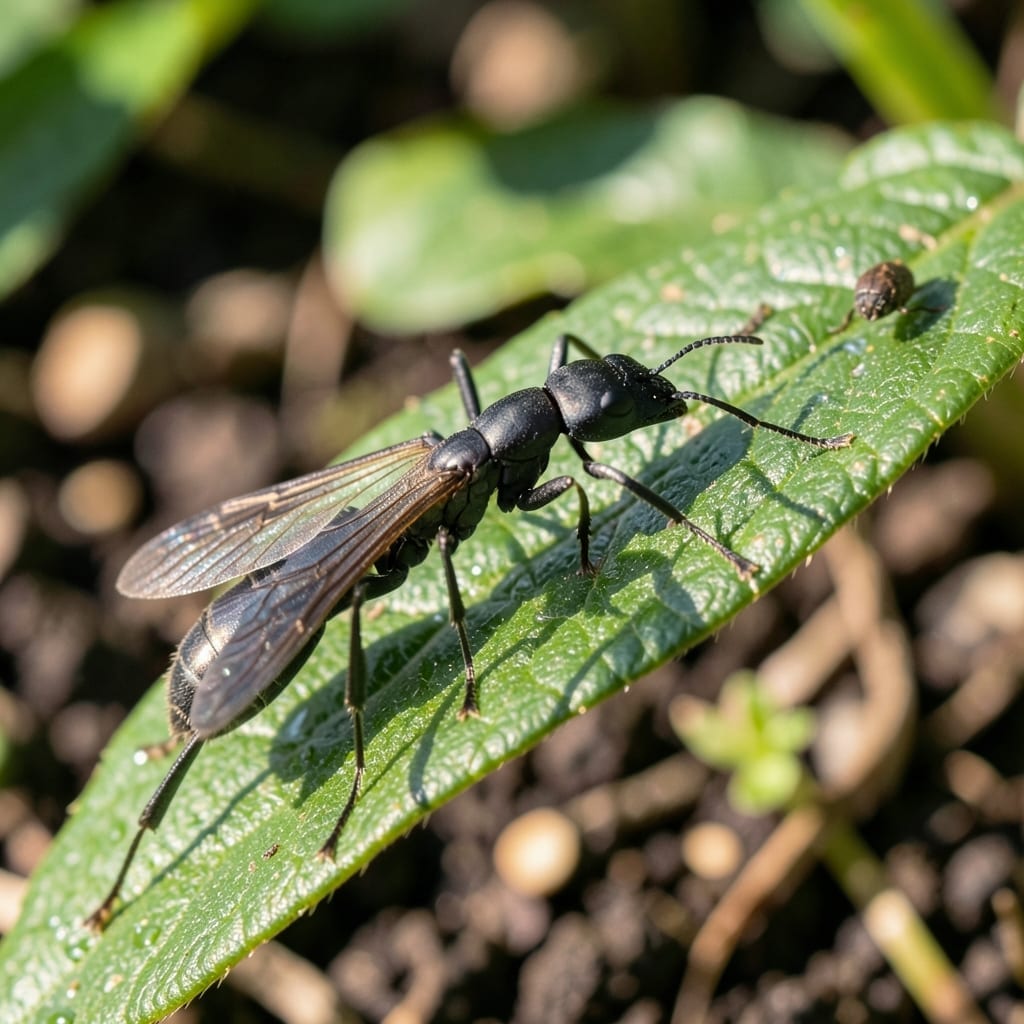
Spotting winged ants in your garden or home is always a surprise. I first noticed them swarming near my compost pile last spring, and it turned out to be a mating event that happens once a year.
These flying insects aren’t a new species—they’re reproductive ants taking flight to start new colonies. The good news? They’re harmless, but their presence can signal a larger ant population nearby. Identifying them correctly helps you decide if action is needed.
You’ll recognize them by their elbowed antennae and two pairs of wings, with the front pair being longer. They’re often mistaken for termites, but a closer look reveals the difference.
If they’re indoors, it’s time to check for moisture issues or food sources. Outdoors, they’ll disappear on their own after a few days.
Winged ants, often spotted in pictures of ants with wings, emerge for specific biological and environmental reasons. These flying insects are typically reproductive ants—either males or future queens—designed to mate and establish new colonies. Here’s why you might see them:
Most winged ants appear during nuptial flights, a seasonal phenomenon where virgin queens and males take to the air to mate. This usually occurs in spring or summer when warm, humid conditions are ideal. After mating, males die, and fertilized queens shed their wings to start new colonies.
Established ant colonies produce winged reproductives when resources are abundant, signaling it’s time to expand. Overcrowding or limited food in the nest can also accelerate this process. These ants don’t fly far—most land within a few hundred yards to burrow and lay eggs.
Sometimes, disturbances like flooding, extreme heat, or pesticide exposure force colonies to produce winged ants prematurely. This is a survival tactic to relocate before the nest is destroyed. If you notice sudden swarms indoors, check for moisture damage or chemical triggers.
Unlike termites (which they’re often confused with), winged ants have elbowed antennae and a narrow waist. Spotting them early can help you address infestations before they spread.
If you’re spotting winged ants around your home, it’s time to take action. These flying insects often signal a nearby nest or an impending swarm. Below are practical solutions to address the issue, organized by cause and fix.
Winged ants, or alates, emerge from mature colonies to reproduce. To stop them:
Once you’ve found the nest or entry points:
Stop winged ants before they become a recurring problem:
💡 Pro tip: If you see winged ants indoors, act fast—they may indicate a hidden colony already inside your walls!
No, they don’t bite or sting. These are reproductive ants that pose no direct threat to humans or pets. Their presence indoors may indicate a nest nearby though.
Winged ants have elbowed antennae and a narrow waist. Termites have straight antennae and a thick waist with equal-length wings.
Most emerge during spring or summer for mating flights. Warm, humid days after rain trigger swarms that last a few hours.
Indoor sightings often mean a colony exists in walls or under floors. Check for moisture or food sources that may be attracting them.