
Beautiful Plants For Your Interior
Beautiful Plants For Your Interior
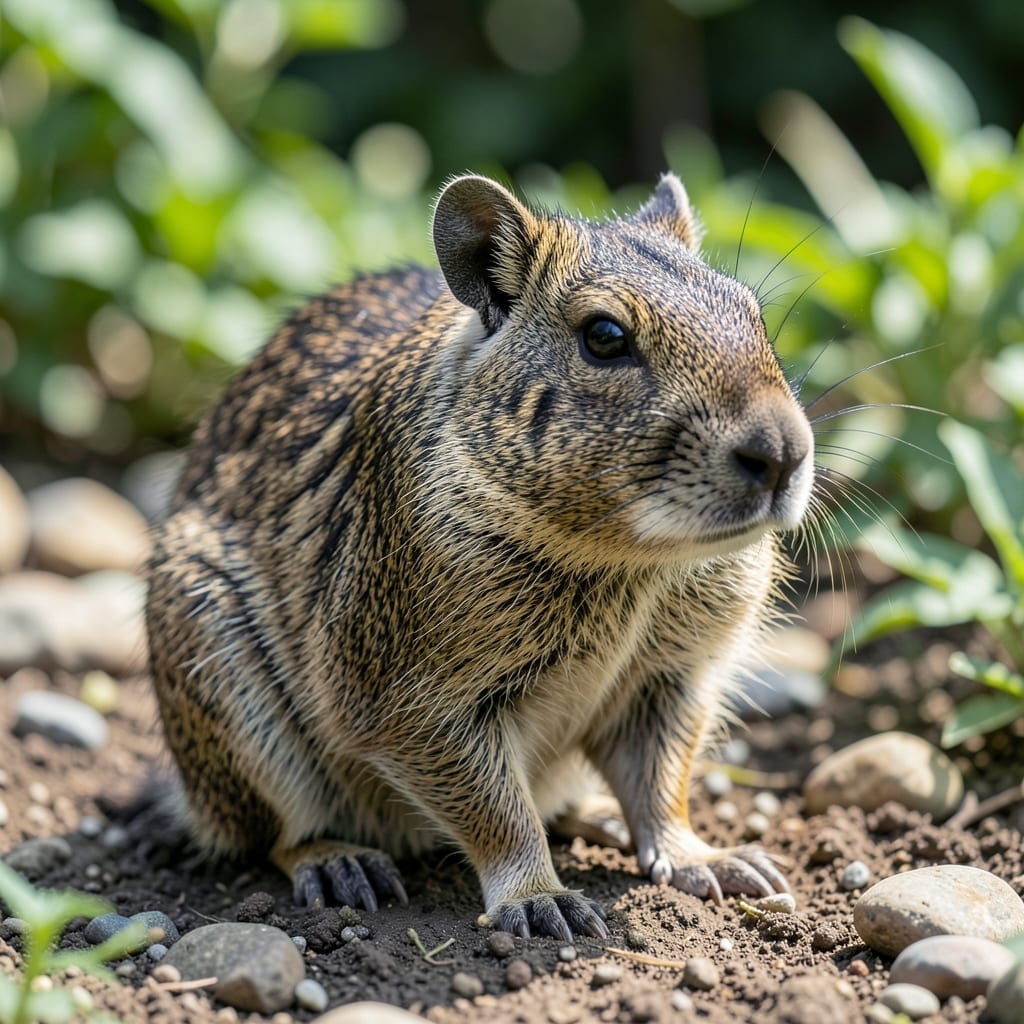
That rounded silhouette near your garden might not be a rock. Groundhogs have a way of appearing like part of the landscape—until they don’t. I’ve spotted them mid-munch on my bean plants, frozen in that classic pose just before bolting.
This visual guide helps you confirm whether that shadowy figure is actually a groundhog or just wishful thinking. Their stocky build, short legs, and bushy tail give them away—plus the telltale damage to your freshly planted veggies.
You’ll learn to recognize their burrow entrances, usually a 10-12 inch wide hole with a mound of dirt at the opening. Unlike rabbits, they leave large, shallow bite marks on stems and leaves.
Perfect for figuring out if you’re sharing your yard with one of nature’s most persistent garden visitors.
Groundhogs, also known as woodchucks, often make their way into backyards and gardens, leading to frequent sightings—and pictures of a groundhog—in suburban areas. Their presence isn’t random; it’s driven by specific environmental and behavioral factors. Here’s why they show up:
Groundhogs are herbivores with a voracious appetite for plants, vegetables, and fruits. If your yard has a garden, flower beds, or overgrown vegetation, it’s essentially an all-you-can-eat buffet for them. They’re particularly drawn to leafy greens, beans, peas, and berries, which provide the nutrition they need to fatten up for hibernation. Removing these food sources or installing barriers can discourage their visits.
These animals prefer areas with loose, well-drained soil for digging burrows. Wooded edges, brush piles, or even spaces under sheds and decks offer perfect spots for them to create their underground homes. A single groundhog burrow can have multiple chambers and extend up to 5 feet deep. Clearing debris and sealing potential entry points can make your property less appealing.
Groundhogs are most active during spring and summer, as they emerge from hibernation hungry and ready to mate. This increased activity leads to more sightings—and more chances to snap pictures of a groundhog. In late summer, they begin preparing for winter by eating excessively to build fat reserves. Understanding these cycles helps explain their sudden appearances in your yard.
In suburban areas, natural predators like coyotes, foxes, and hawks are often absent. With fewer threats, groundhogs feel safer venturing into open spaces. This reduced risk encourages them to explore and forage more boldly, increasing the likelihood of encounters with humans and their cameras.
If groundhogs are wreaking havoc in your yard, try these practical solutions to reclaim your space.
Groundhogs love munching on plants. To protect your garden:
Prevention tip: 💡 Plant groundhog-resistant crops like marigolds or garlic near vulnerable areas.
Burrows can weaken foundations or patios. Try these fixes:
Prevention tip: 🎯 Regularly inspect your yard for new holes and act quickly.
If groundhogs are constantly around:
Prevention tip: ✨ Keep your lawn mowed—tall grass provides cover for groundhogs.
Groundhogs are primarily active during the early morning and late afternoon. These are the best times to spot and photograph them near their burrows or feeding areas.
Groundhogs have a stocky build, short legs, and a bushy tail. Beavers are larger with webbed feet and flat tails. Groundhogs also lack the distinctive buck teeth of beavers.
Keep a safe distance of at least 10 feet. Groundhogs can bite or scratch if they feel threatened. Use a zoom lens to capture close-ups without disturbing them.
Avoid disturbing it, as groundhogs use these for shelter. If it’s near a structure, use humane deterrents like fencing or repellents instead of filling it in.