
Beautiful Plants For Your Interior
Beautiful Plants For Your Interior
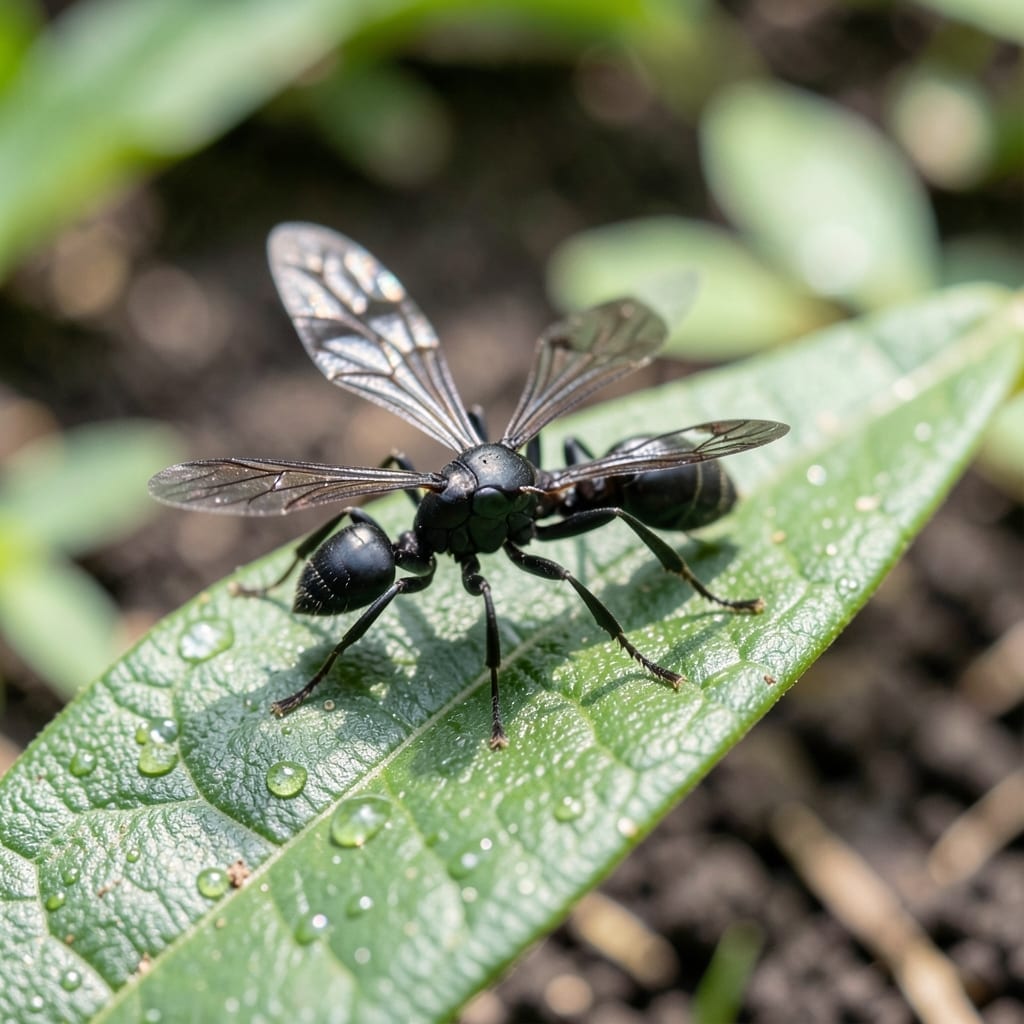
Spotting winged ants in your garden can be unsettling at first. I remember my first encounter—dozens of them near my compost pile, looking nothing like the tiny workers I was used to seeing.
These swarmers appear during mating season, usually in spring or early summer. Their wings help them travel far from the nest to start new colonies. Don’t panic: they don’t bite and won’t stick around long.
Identifying them is easier than you think. Look for two pairs of wings (front wings longer than back), elbowed antennae, and a distinct waist between the thorax and abdomen. Unlike termites, their wings are unequal in size.
This guide will help you tell them apart from look-alikes and understand their role in your garden’s ecosystem. Knowledge is the first step to co-existing peacefully.
Winged ants, often called swarmers, emerge for very specific biological reasons. Their sudden appearance can be alarming, but understanding the causes helps you address the issue effectively. Below are the primary triggers behind these winged intruders.
Winged ants are reproductive members of a colony. When conditions are right—typically in spring or early summer—mature colonies produce swarmers to mate and establish new nests. Warm, humid weather after rain often triggers this behavior, as it provides ideal conditions for flight and survival. If you see them indoors, it may signal an existing infestation nearby.
Ant colonies expand rapidly. When a nest becomes too crowded, the queen produces winged males and females to disperse and form new colonies. This is nature’s way of preventing resource depletion. If you spot swarmers inside your home, it’s a red flag that a mature colony is already thriving in your walls, foundation, or yard.
Temperature and moisture play a huge role. Winged ants often emerge after a period of rain followed by warm, sunny days, as the soil is soft for digging new nests. Indoor sightings may also result from leaky pipes or excess moisture, which attract ants to nest in damp wood or insulation.
Physical disturbances, like landscaping, construction, or pesticide use, can force a colony to produce swarmers prematurely. If their nest is damaged, ants may send out winged individuals to relocate the colony to a safer area—possibly your home.
Winged ants, often called swarmers, appear seasonally and can be alarming. Here’s how to tackle the issue based on common causes and practical fixes.
If you spot winged ants inside, they’re likely nesting nearby. Fix: Inspect walls, windows, and foundation cracks. Seal gaps with caulk or weatherstripping. Use a vacuum to remove visible ants immediately.
Prevention tip: Store food in airtight containers and keep countertops clean to avoid attracting them.
Winged ants outdoors often signal a mature colony. Fix: Trim tree branches touching your home and clear debris like leaf piles or rotting wood. Apply outdoor ant baits near nesting sites.
Prevention tip: Fix leaky pipes or standing water—moisture draws ants.
Swarmers emerge during warm, humid weather to mate. Fix: Use a fly swatter or soapy water spray to eliminate them on contact. For large swarms, consider a pest control professional.
Prevention tip: Install screens on doors and windows to block entry.
Pro tip 💡: If swarmers keep appearing, you likely have a hidden nest. Call an exterminator to locate and treat the source.
They emerge during mating season, typically in spring or early summer. Warm, humid weather after rain triggers swarming as reproductive ants seek mates to start new colonies.
Look for elbowed antennae, a pinched waist, and two pairs of wings with the front pair longer. Termites have straight antennae, no waist, and equal-length wings.
Most winged ants don’t bite or sting. They’re focused solely on mating and won’t attack humans. You can safely remove them with a vacuum or soapy water.