
Beautiful Plants For Your Interior
Beautiful Plants For Your Interior
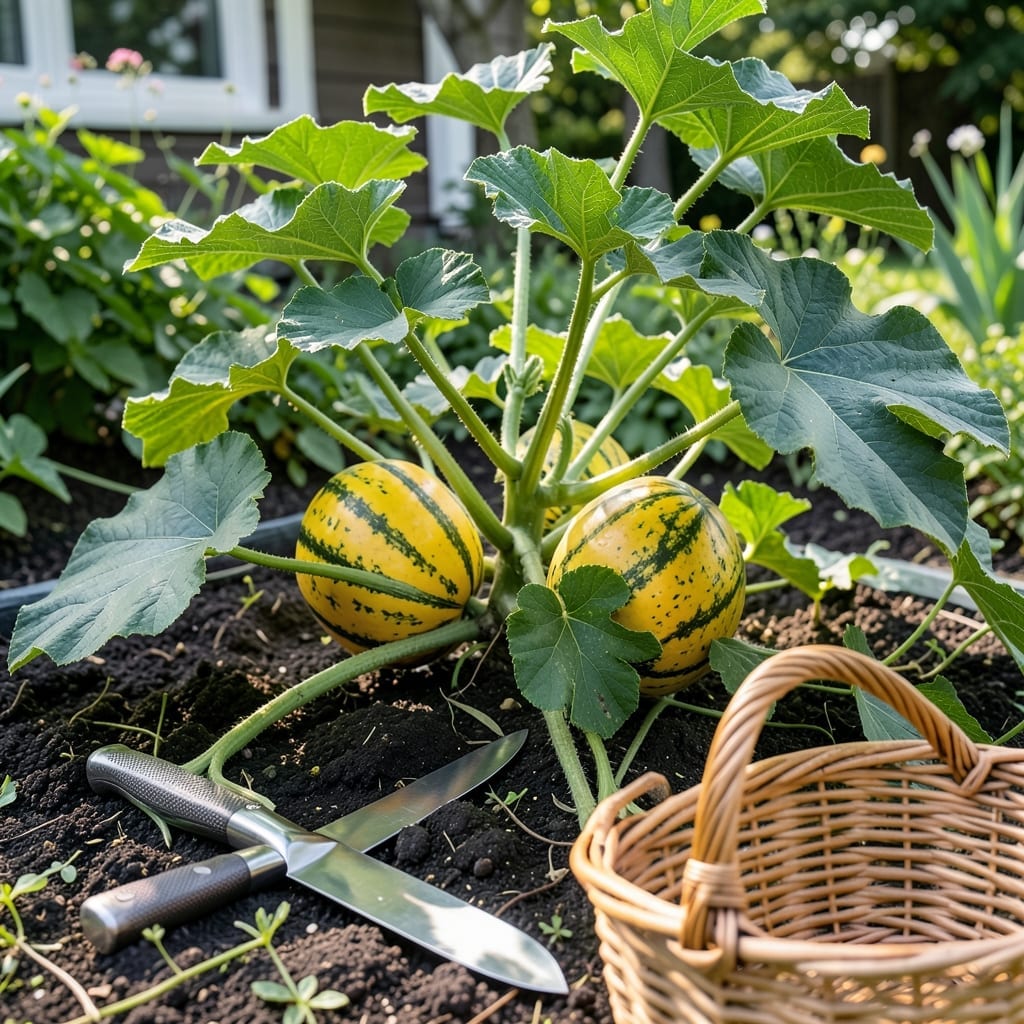
There’s nothing more rewarding than growing your own Picasso Melon 🍈 and picking it at the peak of ripeness. But how do you know when it’s truly ready?
This heirloom variety has unique signs that set it apart from other melons. The golden rind and sweet aroma are your biggest clues, but timing also plays a key role.
I’ve learned that harvesting too early or too late can make all the difference in flavor. The right moment ensures that rich, honey-like taste gardeners love.
Discover the simple yet effective ways to identify ripeness and enjoy the fruits of your labor at their absolute best.


Identifying a ripe Picasso melon starts with its golden rind. As this heirloom variety matures, its skin transitions from green to a vibrant yellow with distinctive orange blotches. This color change is your first visual clue that harvest time is near.
The stem separation is another reliable indicator. When the melon is ready, the stem will begin to loosen and detach from the vine with just a gentle tug. This is often called the “slip test” and is a classic sign of ripeness.
| Ripeness Sign | Description |
|---|---|
| Skin Color | Vibrant yellow with orange blotches |
| Stem Condition | Easily detaches from vine |
| Aroma | Strong sweet smell at stem end |
| Sound Test | Hollow sound when tapped |
The sweet aroma is perhaps the most telling sign. A ripe Picasso melon will emit a strong, sweet scent from the stem end. If you don’t detect this fragrance, the melon likely needs more time on the vine.
I always perform the “tap test” as a final check. A ripe melon will produce a deep, hollow sound when tapped. An immature one will sound solid or dull. This method works well alongside the visual and olfactory cues.
Remember that overripe Picasso melons may develop soft spots or an overly strong aroma. The ideal window for harvesting is when all these signs—color, stem slip, aroma, and sound—align perfectly.
In my garden, I check melons daily as they approach maturity. The transition from pale green to golden yellow typically happens over a few days, so regular monitoring is key. Don’t rush the process, as premature picking affects flavor development.
Weather conditions can influence ripening speed. Hot, sunny days accelerate the process, while cooler, cloudy weather may slow it down. Adjust your harvest timeline accordingly based on your local climate.
For the best flavor, harvest your Picasso melons in the early morning when temperatures are cooler. This helps preserve the melon’s natural sweetness and extends its post-harvest life.
With practice, you’ll develop an eye—and nose—for perfect ripeness. The combination of visual, tactile, and olfactory cues makes identifying a ripe Picasso melon a rewarding experience for any gardener. 🌱
I’ve seen many gardeners rush to pick their Picasso melons before they’re truly ready, and it’s a shame. The most common mistake is ignoring the stem separation test—if it doesn’t slip off easily, the melon isn’t ripe yet. Green patches on the rind are another red flag.
Another telltale sign of immaturity is the lack of that sweet, musky aroma at the stem end. Without it, the flavor will be underwhelming. Picking too early also shortens the storage life, so patience really does pay off with this heirloom variety.
⚠️ Don’t Harvest Too Soon!
Avoid picking Picasso melons with firm stems or green rinds. These are clear signs the fruit isn’t ready and will lack its signature honey-like sweetness.
I always check for vibrant yellow coloring with those characteristic orange blotches. If the rind is still pale or green, give it more time. The aroma test is my go-to—if you don’t smell that rich sweetness, it’s not ready.
Even the tapping method can help. A ripe Picasso melon should sound slightly hollow when tapped. If it sounds dull or solid, it’s still maturing on the vine. Trust me, waiting those extra few days makes all the difference.
Overripe melons can be just as disappointing as underripe ones. If the stem separates too easily or the rind feels too soft, you’ve likely waited too long. The ideal window is when the stem slips off with gentle pressure.
Finally, remember that temperature and sunlight affect ripening. Cooler weather can slow the process, so adjust your expectations based on your growing conditions. When in doubt, rely on the visual and aromatic cues. ☀️