
Beautiful Plants For Your Interior
Beautiful Plants For Your Interior
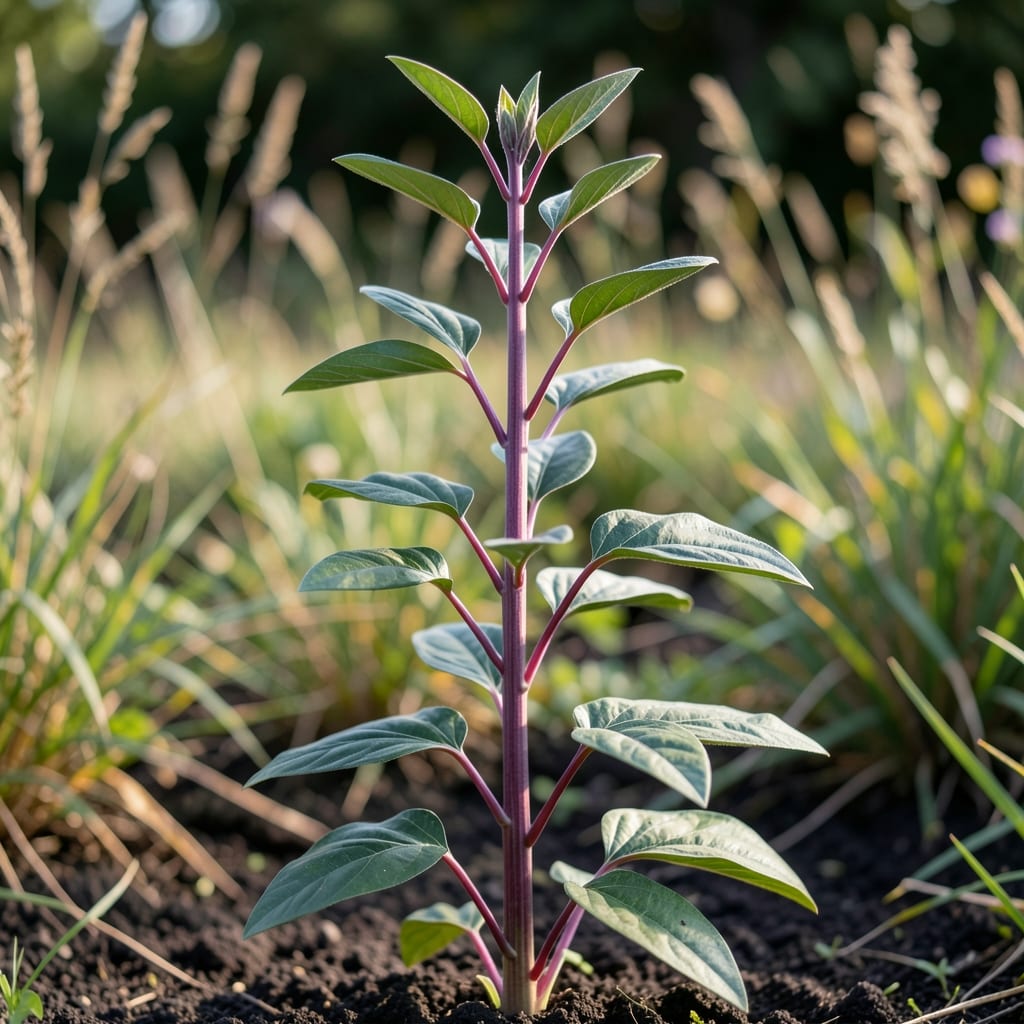
I learned the hard way that Phytolacca americana’s glossy leaves hide serious danger. Every part of this plant contains toxins that can harm humans and pets alike.
Recognition is your first defense—look for the dark green, oval leaves with smooth edges. Always wear gloves when handling, and wash thoroughly after any contact to prevent accidental poisoning.
📚 In This Guide
This guide will help you identify and avoid the dangers of this plant while working in your garden.
Recognize Phytolacca americana by its smooth, reddish-purple stems and glossy, lance-shaped leaves arranged alternately along the stem. The leaves are 6-12 inches long with a pointed tip and smooth edges. Mature plants produce clusters of small white flowers followed by dark purple berries.
I always double-check identification using multiple features because young plants can look similar to harmless species. The distinctive purple stems and berries are the most reliable indicators. When in doubt, consult a regional plant guide or expert before touching any suspicious foliage.
Wear long sleeves, gloves, and eye protection whenever handling or working near this plant. The sap contains toxic compounds that can cause skin irritation or more severe reactions. I keep a dedicated pair of nitrile-coated gloves just for this purpose to prevent accidental transfer.
If you must remove the plant, do so on a calm day to prevent inhalation of dust or sap. Never burn the material, as the smoke can carry toxins. Instead, carefully bag all plant parts for disposal with household trash, not compost.
All parts of Phytolacca americana are highly toxic, with the highest concentration of toxins in the leaves and berries. The berries, while attractive, are particularly dangerous to children and pets. I’ve seen cases where the sweet appearance of the berries leads to accidental poisoning.
Educate family members about the dangers and consider removing the plant entirely if you have young children or pets. If ingestion occurs, contact Poison Control immediately at 1-800-222-1222 in the US. Do not induce vomiting unless directed by a medical professional.
If you find this plant growing in your garden, isolate the area immediately. Mark it clearly with stakes or flags to prevent accidental contact. I recommend removing it entirely, roots and all, to prevent regrowth from underground rhizomes.
For disposal, place all plant material in a sealed plastic bag. Never compost it, as the toxins can persist. Wash all tools and protective gear thoroughly with soap and water after handling. Monitor the area for new growth, as seeds can remain viable in the soil for years.
Be aware of potential symptoms that may indicate exposure. Skin contact can cause redness, itching, or blistering. Ingestion may lead to severe stomach pain, vomiting, or diarrhea. Inhalation of dust or sap can cause respiratory irritation.
I always keep a first aid kit nearby when working in areas where this plant grows. If you experience any adverse reactions, seek medical attention immediately. Bring a photo or sample of the plant (in a sealed bag) to help with identification and treatment.
Safety comes first with this plant, so here are key insights to avoid common errors.
Identification Accuracy: In Step 1, pay close attention to the 4-10 feet tall mature height and 12-inch long lance-shaped leaves—these are critical markers for Phytolacca americana. I’ve seen too many cases where people mistakenly handle lookalike plants because they skipped this verification. Young leaves are particularly deceptive, as their smaller size can mask their toxicity.
Protective Gear Essentials: Step 2 emphasizes long sleeves, pants, and gloves, but here’s what nobody tells you—nitrile-coated gloves are non-negotiable. I learned this the hard way after a mild skin reaction from standard gardening gloves. The sap absorbs through porous materials, so invest in proper protection to avoid irritation.
Disposal Caution: Never underestimate the persistence of pokeweed toxins. As outlined in Step 3, composting is out of the question, as the compounds can linger and contaminate your entire pile. Always use sealed, heavy-duty bags and confirm local hazardous waste protocols—some areas require special handling that isn’t immediately obvious.
Post-Handling Protocol: The 20-second handwashing rule in Step 4 isn’t arbitrary. Use warm water and soap, and scrub thoroughly, even if you wore gloves. I’ve found that residual sap on tools or skin can cause delayed reactions, so don’t rush this step. Monitor the area weekly for regrowth, as pokeweed roots are stubborn and can resprout quickly.
No, they are not. The leaves contain toxic compounds that can cause skin irritation or allergic reactions. Always wear gloves when handling them and wash your hands thoroughly afterward to avoid exposure.
Seek immediate medical attention. Symptoms like nausea, vomiting, or diarrhea can occur. Do not induce vomiting unless instructed by a healthcare professional.
No, they are highly toxic and should never be used in herbal remedies. Alternative safe plants like echinacea or elderberry can be used for similar purposes.
They are large, oval, and smooth-edged with a deep green color. The plant also has dark purple berries and a red stem. When in doubt, consult a local expert.
Symptoms include stomach pain, diarrhea, vomiting, and dizziness. Severe cases may lead to low blood pressure or respiratory distress. Always call poison control if exposure occurs.