
Beautiful Plants For Your Interior
Beautiful Plants For Your Interior
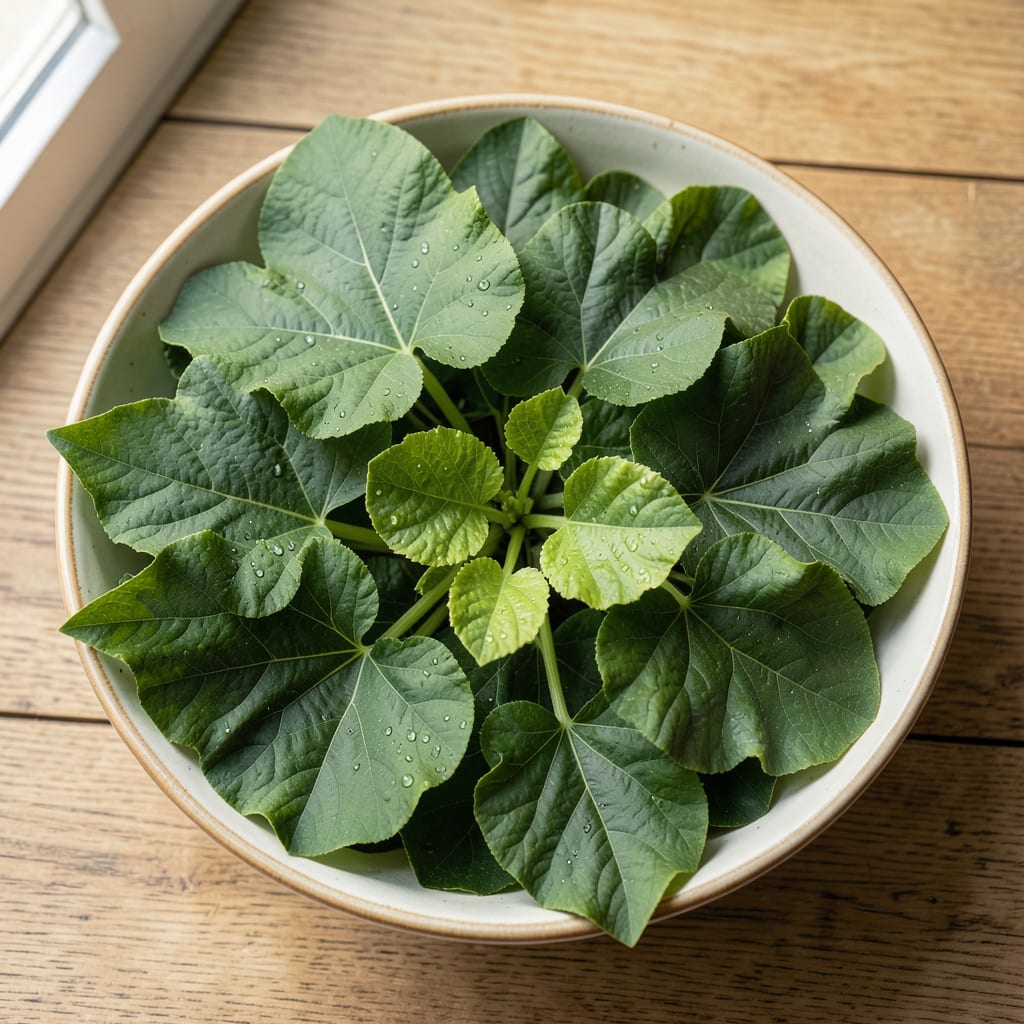
Pumpkin leaves tell a story if you know what to look for. I’ve spent seasons deciphering their language—healthy ones are broad, deep green, and slightly textured, while troubled leaves scream for help with spots, powder, or curled edges.
This guide pairs clear photos with simple fixes for issues like powdery mildew or squash bug damage. You’ll learn to spot early warning signs and act before your vines suffer, keeping your patch productive all season.
📚 In This Guide
Use this visual method to recognize healthy pumpkin foliage and spot problems early in your garden.
Start by observing the overall shape. Pumpkin leaves are large, typically 6-12 inches across, with a broad, rounded form and deep lobes—usually 3-5 main lobes per leaf. The edges appear slightly wavy rather than smooth, which helps distinguish them from similar vining plants.
Hold a leaf up to the light. Healthy leaves have a rich, deep green color with a slightly textured surface. You’ll notice prominent white veins that create a web-like pattern across the leaf. This veining becomes more pronounced as the leaf matures.
Compare leaves from different parts of the vine. New growth often appears lighter green, while mature leaves develop that characteristic deep green hue. The underside of the leaf is usually a paler green and may have a slightly fuzzy texture when you run your fingers across it.
Watch for unusual color changes. Yellowing between the veins often signals nutrient deficiencies, while brown spots or holes indicate pest damage or disease. I always check both the top and bottom surfaces—many problems first appear on the undersides.
Look for powdery white residue on the surface—this is powdery mildew, a common issue in pumpkin patches. It starts as small circular spots that spread across the leaf. The affected areas may feel slightly dry or dusty to the touch.
Check for small yellow or brown spots with dark edges. These often indicate fungal diseases like alternaria leaf spot. As these spots grow, they can merge, causing large portions of the leaf to die back. I’ve found that removing affected leaves early prevents the spread to healthy foliage.
Distinguish pumpkin leaves from squash or cucumber by their size and lobe depth. Squash leaves are often more deeply lobed, while cucumber leaves are smaller and less textured. Pumpkin leaves also have a more pronounced center lobe that stands out from the others.
Note the stem attachment. Pumpkin leaves connect to the vine with a thick, sturdy stem that’s often as long as the leaf itself. This petiole (the stem connecting leaf to vine) is hollow and can grow quite large—sometimes 4-6 inches long on mature plants.
Take clear photos from multiple angles—top, bottom, and side views capture the full leaf structure. Include a common object like a coin or ruler in the frame to show scale. This helps when comparing notes with other gardeners or consulting identification guides.
Record the plant’s growth stage and any environmental factors. Note if the leaves are from the base of the vine or the growing tips, and mention recent weather conditions. I keep a simple garden journal with dates and photos—it’s surprising how much the leaves change through the season.
Small details make all the difference when identifying plant foliage accurately.
The Size Factor: Remember that pumpkin leaves are typically 6-12 inches across—this is your first clue. I’ve found that using a ruler or even my hand as a quick reference helps confirm if a leaf falls within this range. Anything significantly smaller or larger likely belongs to a different vine plant.
Veining Pattern: The prominent white veins creating a web-like pattern are a key identifier. Hold the leaf up to light as Step 1 suggests—this makes the veining stand out dramatically. Confession: I skipped this step for years and wondered why I kept misidentifying cucumber leaves!
Underside Inspection: Many problems first appear on the undersides of leaves, as mentioned in Step 2. I always flip leaves over to check for that slightly fuzzy texture and paler green color. This is also where powdery mildew often starts, so early detection can save your entire patch.
Documentation Tip: When photographing leaves in Step 5, include a coin for scale—it’s the simplest way to demonstrate that 6-12 inch size range. I keep a quarter in my gardening toolkit specifically for this purpose.
Yellowing leaves in photos often indicate nutrient deficiencies (like nitrogen) or overwatering. Check soil moisture and fertilizer levels.
Capture images in morning light for clear details. Avoid midday glare, which can wash out colors and textures.
Yes! Photos of spots, discoloration, or mold can help diagnose issues like powdery mildew. Compare with trusted gardening guides.
Variations occur due to hybrids or environmental stress. Focus on leaf shape, veins, and growth patterns for accurate ID.
