
Beautiful Plants For Your Interior
Beautiful Plants For Your Interior
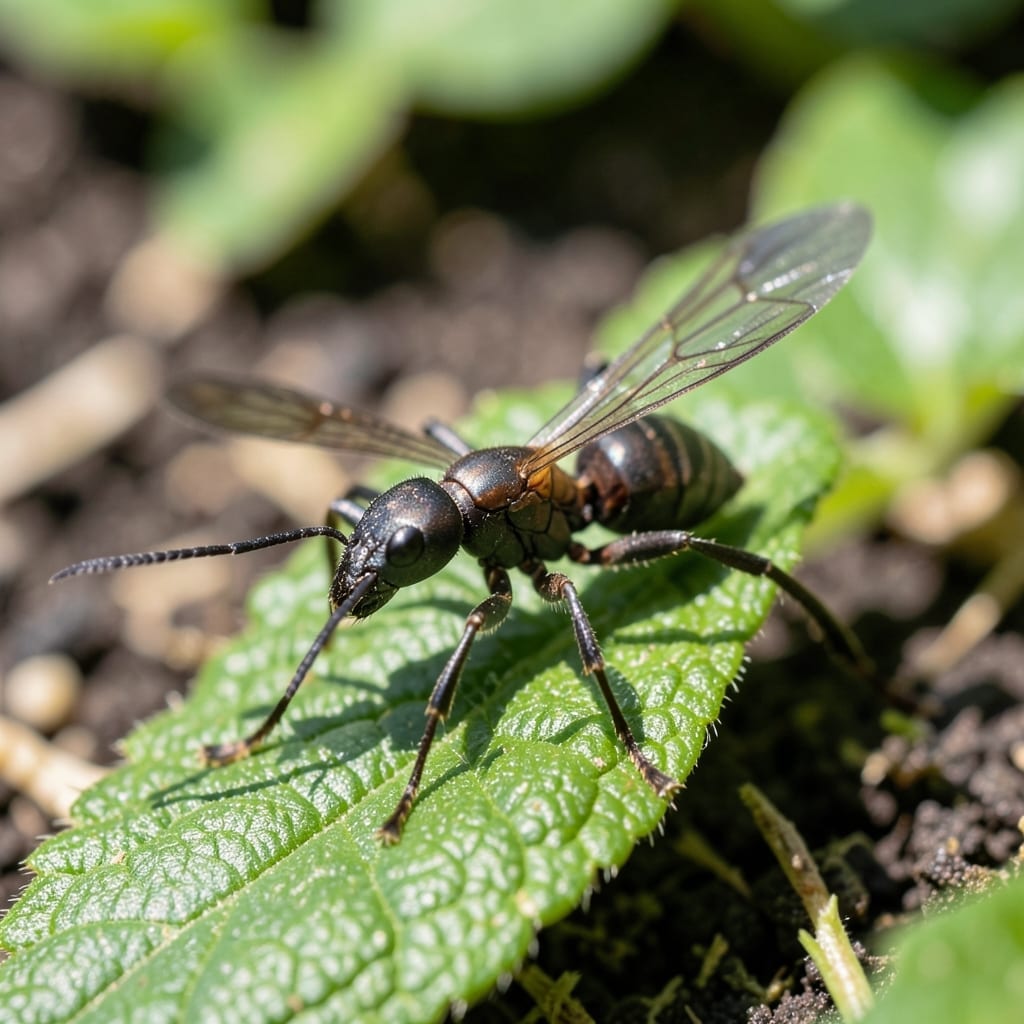
Spotting flying ants around your garden or home is unsettling. I remember the first time I saw them swarming near my tomato plants—my initial panic was real, but understanding their behavior changed everything.
These winged visitors aren’t random pests. They appear during mating season, often after rain, and their presence usually signals a nearby colony. The key is identifying whether they’re a temporary nuisance or a sign of a larger infestation.
You’ll learn to tell the difference between harmless swarms and serious threats. Most flying ants won’t damage your garden, but some species can quickly become a problem if ignored.
Here’s what to watch for and how to respond—before they spread further. Simple steps can prevent a small issue from turning into a full-blown invasion.
Flying ants, often mistaken for termites, emerge for specific biological and environmental reasons. Here’s why you might spot them:
Flying ants are reproductive ants (alates) that take flight during nuptial flights, typically in warm, humid weather. This annual event, often in summer, allows males and future queens to mate mid-air. After mating, males die, while fertilized females shed their wings and seek nesting sites to start new colonies.
Established ant colonies produce flying ants as a natural part of their life cycle. When a colony matures (usually after 2–5 years), it releases alates to spread and establish new nests. This explains why you might see swarms near windows, doors, or outdoor spaces—these are prime exit points for their dispersal.
Warm, humid conditions (especially after rain) trigger nuptial flights. The moisture softens soil, making it easier for queens to dig nesting tunnels. Sudden temperature spikes or high humidity can also accelerate their emergence, leading to synchronized swarms.
If you see flying ants indoors, it may signal an infestation. Disturbing an existing nest (e.g., during construction or landscaping) can force alates to flee prematurely. Check for damp wood, cracks in foundations, or piles of sawdust-like frass—classic signs of a hidden colony.
Pro tip: Photos of flying ants near your home? Act fast—these could be scouts for a future nest!
Flying ants can be a nuisance, but there are effective ways to tackle the problem. Below are practical solutions based on common causes, along with prevention tips to keep them from returning.
If you’re spotting flying ants inside, they’re likely entering through tiny gaps. Inspect windows, doors, and foundation cracks, then seal them with caulk or weatherstripping. Pay extra attention to areas where pipes or wires enter your home. For existing ants, use a vacuum to remove them quickly, then dispose of the bag outside.
Flying ants often emerge from nests in soil, woodpiles, or under patios. Follow their flight paths to locate the nest, then apply an outdoor insecticide labeled for ants. For a natural approach, pour boiling water into the nest entrance at dusk when ants are most active. Repeat as needed until activity stops.
Flying ants are drawn to sweets, meats, and grease. Store food in airtight containers, clean up spills immediately, and take out trash regularly. Wipe down counters and sweep floors to remove crumbs. Pet food bowls should also be cleaned and stored after use.
By addressing the root cause and maintaining a clean, sealed environment, you can keep flying ants at bay for good. ✨
Large groups appear during mating season, typically in warm, humid weather. This is when reproductive ants take flight to mate and establish new colonies.
Flying ants have a cinched waist and bent antennae, while termites have straight antennae and a thick waist. Also, ants have two pairs of wings of different lengths.
Yes, indoor sightings often indicate a nest nearby. Check for damp wood, cracks, or frass, as these are signs of an infestation needing immediate attention.
Use a vacuum to remove them immediately, then seal entry points. For nests, apply insecticide or pour boiling water into the entrance at dusk.