
Beautiful Plants For Your Interior
Beautiful Plants For Your Interior
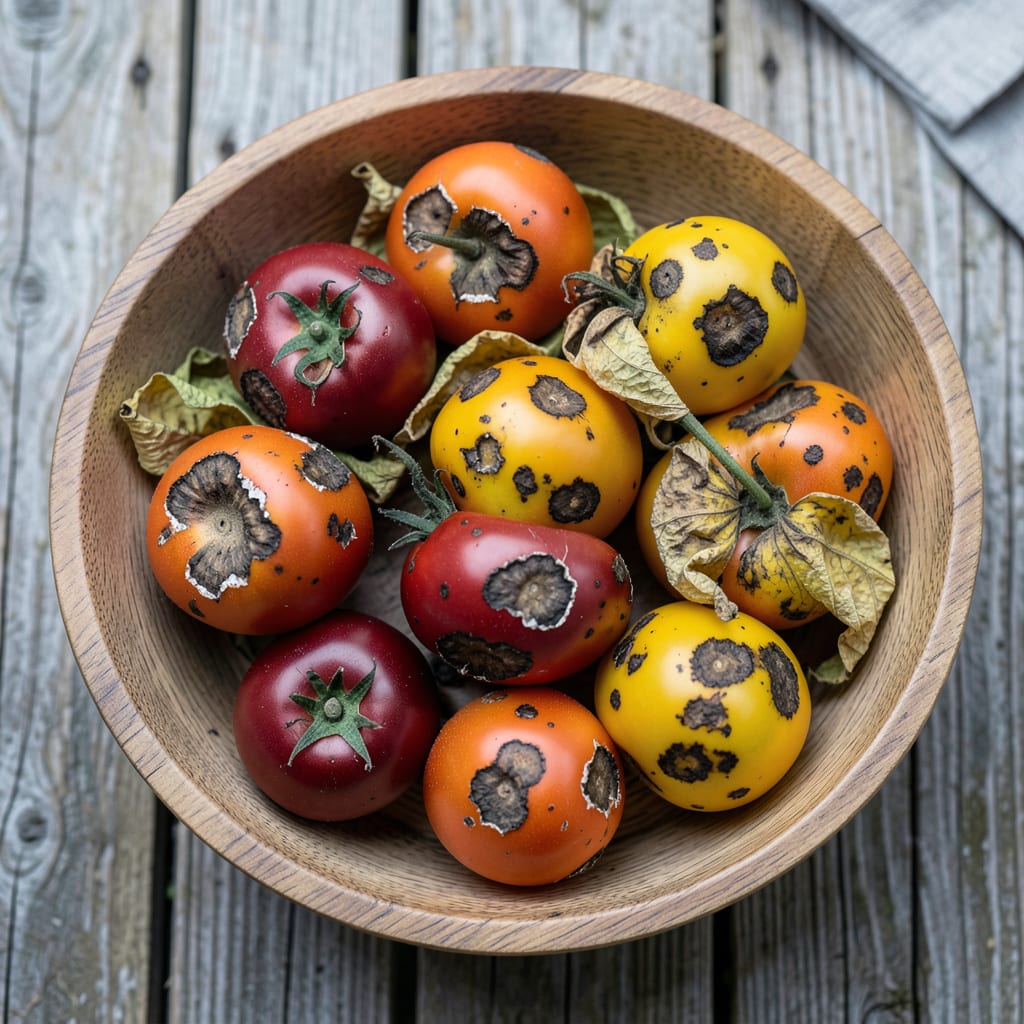
Spotted brown patches on your tomato leaves? That’s likely blight, and I’ve seen it wipe out entire plants in 48 hours if left unchecked.
Early recognition is your best defense. I’ve learned to distinguish between early blight’s concentric rings and late blight’s greasy, dark spots—both spread fast but respond differently to treatment.
You’ll want to act immediately: remove infected leaves, improve air circulation, and avoid overhead watering. These steps can save your crop and prevent next year’s outbreak.
This guide shows you exactly what to look for, with clear photos and foolproof prevention strategies that work.
Tomato blight is a frustrating issue for gardeners, but understanding its root causes can help you prevent it. Here’s a breakdown of the most common culpables behind those unsightly photos of blight on tomatoes you’ve been seeing.
The primary cause of blight in tomatoes is fungal infections. Two major types dominate: early blight (Alternaria solani) and late blight (Phytophthora infestans). Early blight thrives in warm, humid conditions, creating concentric rings on leaves, while late blight—infamous for its rapid spread—prefers cool, wet weather and causes dark, greasy spots. These fungi overwinter in soil or plant debris, attacking vulnerable plants when conditions are right.
Overwatering or poor drainage creates a breeding ground for blight. Fungal spores need moisture to germinate and infect tomato plants. Splashing water (from rain or irrigation) can also spread spores from the soil to the leaves. Mulching and drip irrigation can reduce this risk by keeping foliage dry.
Tomatoes under stress—whether from temperature fluctuations, nutrient deficiencies, or overcrowding—are more susceptible to blight. Cool nights (below 50°F) combined with warm days create ideal conditions for late blight, while early blight flourishes in heat. Proper spacing, consistent watering, and balanced fertilization strengthen plants against these stressors.
Dense plantings or lack of pruning restrict airflow, trapping moisture around leaves and stems. This stagnant, humid microclimate accelerates fungal growth. Prune lower leaves and space plants at least 18–24 inches apart to improve ventilation and reduce blight risks.
Addressing these factors can significantly lower the chances of seeing blight in your garden—and those dreaded photos of blight on tomatoes in your harvest.
Blight on tomatoes can be frustrating, but with the right approach, you can save your plants and prevent future outbreaks. Below are practical solutions tailored to the most common causes of blight, along with prevention tips to keep your garden thriving. 🌱
If you spot brown spots with concentric rings on lower leaves, act fast. Remove infected leaves or entire plants to stop the spread. Do not compost them—dispose of them in sealed bags. Rotate crops yearly to avoid soil-borne fungi. Prevention tip: 💡 Use mulch to prevent spores from splashing onto leaves during watering.
For dark, greasy-looking spots that appear suddenly, especially in wet weather, apply a copper-based fungicide immediately. Prune dense foliage to improve airflow and reduce humidity. Prevention tip: 🌡️ Water plants at the base in the morning so leaves dry quickly.
Small, circular spots with gray centers? This fungal issue thrives in crowded, damp conditions. Remove infected leaves and disinfect pruning tools with rubbing alcohol. Space plants at least 2 feet apart for better circulation. Prevention tip: ✨ Avoid overhead watering to keep foliage dry.
Consistency is key—monitor plants weekly and act at the first sign of trouble!
Early blight shows brown spots with concentric rings on lower leaves first. Late blight causes dark, greasy-looking spots that spread rapidly in wet weather. Check for these key differences to identify the type.
Yes, remove infected plants or leaves right away to stop the spread. Seal them in a bag and dispose—never compost blighted material. This prevents spores from reinfecting your garden.
If caught early, you can save the plant. Remove infected parts, improve airflow, and apply copper-based fungicide. For severe cases, it’s best to remove the plant to protect others.
Rotate crops, use drip irrigation, and choose resistant varieties like ‘Mountain Merit’. Clean up garden debris in fall to reduce overwintering spores.
