
Beautiful Plants For Your Interior
Beautiful Plants For Your Interior
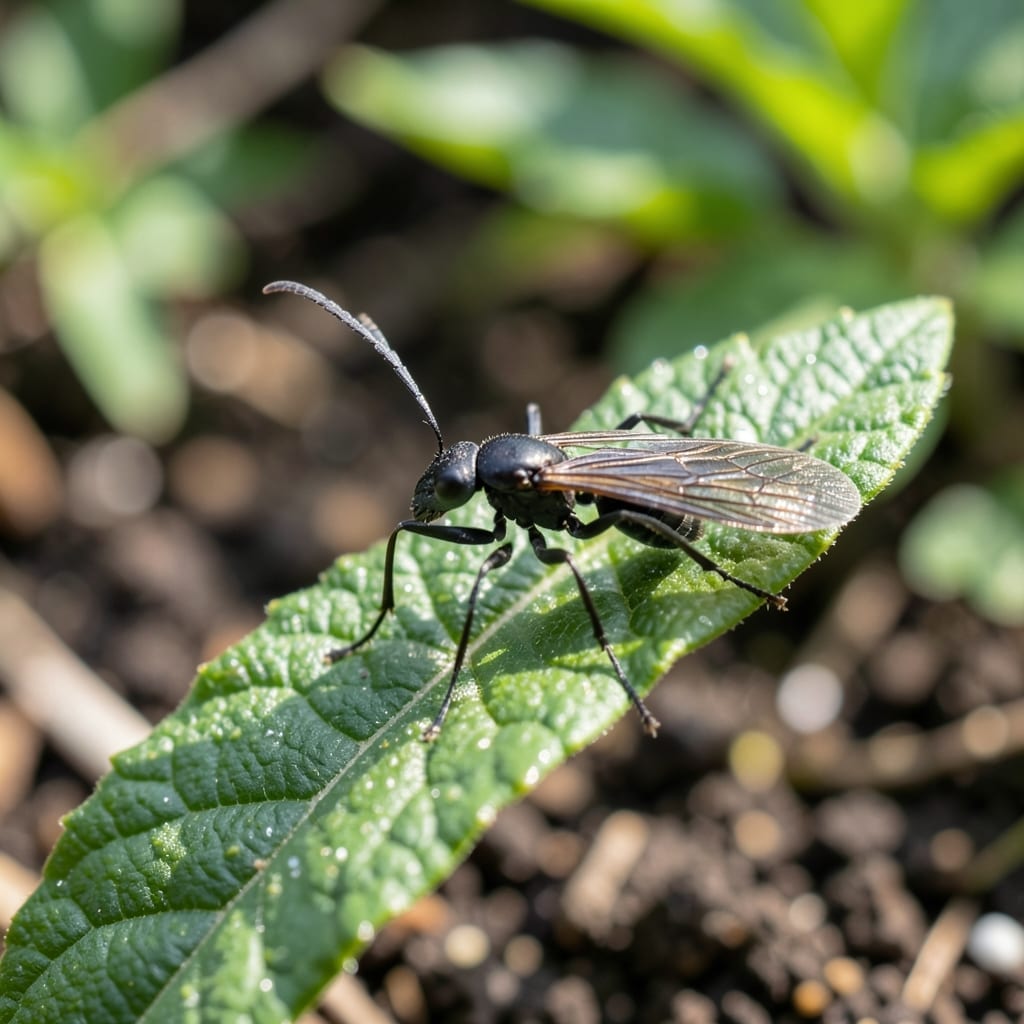
Winged ants in your home always grab attention. I remember the first time I saw them swarming near my window—they looked like tiny dark shadows with wings, and I immediately wondered if they were termites.
Here’s the thing—they’re not the same. Ant swarmers have bent antennae, a narrow waist, and wings of different lengths. Termites have straight antennae, a thick waist, and equal-length wings.
You’ll notice these flyers appear in spring or summer, usually after rain. They’re reproductive ants leaving the nest to start new colonies, and they’re harmless to humans.
Spotting the difference saves you from unnecessary panic and costly treatments. Let’s break down what you’re seeing.
Winged ants, often spotted in photos of ants with wings, aren’t a random occurrence—they’re part of a natural reproductive cycle. Here’s why it happens:
Most winged ants are alates, or reproductive ants, produced by mature colonies. When conditions are right—typically warm, humid weather—these ants take flight in a synchronized event called nuptial flight. Their sole purpose? To mate and establish new colonies. This is why you might suddenly see large groups of flying ants near windows or light sources.
Ant colonies grow rapidly, and when resources or space become limited, the queen produces winged males and females. These future queens and drones leave the nest to avoid competition, reducing pressure on the original colony. If you’re seeing winged ants indoors, it could signal a mature, overcrowded nest nearby.
Temperature, rainfall, and even daylight length can trigger swarming. For example, carpenter ants often swarm in spring, while other species may emerge after heavy rain. These environmental signals ensure optimal survival conditions for new colonies. If you notice a sudden influx, check recent weather patterns—they’re likely tied.
Unlike termites, which swarm for similar reasons, winged ants have a distinct elbowed antennae and uneven wing lengths. Identifying these traits in photos can help you confirm whether you’re dealing with ants or termites.
Flying ants, also known as ant swarmers, can be a nuisance, but they’re usually harmless. Here’s how to tackle the issue based on the root cause:
If you’re spotting winged ants inside, they’re likely coming from a nest nearby. Trace their entry points—check windows, cracks, or gaps in walls. Use a soapy water spray to kill visible ants on contact. For a long-term fix, apply borax or diatomaceous earth near entry points to disrupt their colony. Prevention tip: Seal cracks with caulk and keep food sealed tightly. 💡
Flying ants outdoors often signal a mature colony ready to mate. Eliminate moisture sources like leaky faucets or standing water. Trim back vegetation touching your home, as ants use it as a bridge. Natural repellents like vinegar, peppermint oil, or cinnamon can deter them. Prevention tip: Store firewood and mulch away from your foundation. ✨
If the swarm is temporary (common in spring/summer), it may disperse on its own after mating. Use a vacuum to remove visible ants quickly. Avoid crushing them, as it can release pheromones that attract more. Prevention tip: Install fine mesh screens on windows and doors to block entry. 🎯
If you’re unsure whether they’re ants or termites, check for elbowed antennae and a narrow waist (ants) vs. straight antennae and a thick waist (termites). For termites, call a pest control professional immediately. Prevention tip: Schedule annual inspections if you live in termite-prone areas. 🔥
Wings appear on reproductive ants during mating season, typically in spring or summer. These winged ants, called alates, leave their colony to mate and establish new nests.
Winged ants have elbowed antennae, a narrow waist, and unequal wing lengths. Termites have straight antennae, a thick waist, and equal-length wings.
They don’t bite, sting, or spread disease, but their presence indoors may indicate a nest nearby. Outdoors, they’re harmless and part of the natural life cycle.