
Beautiful Plants For Your Interior
Beautiful Plants For Your Interior
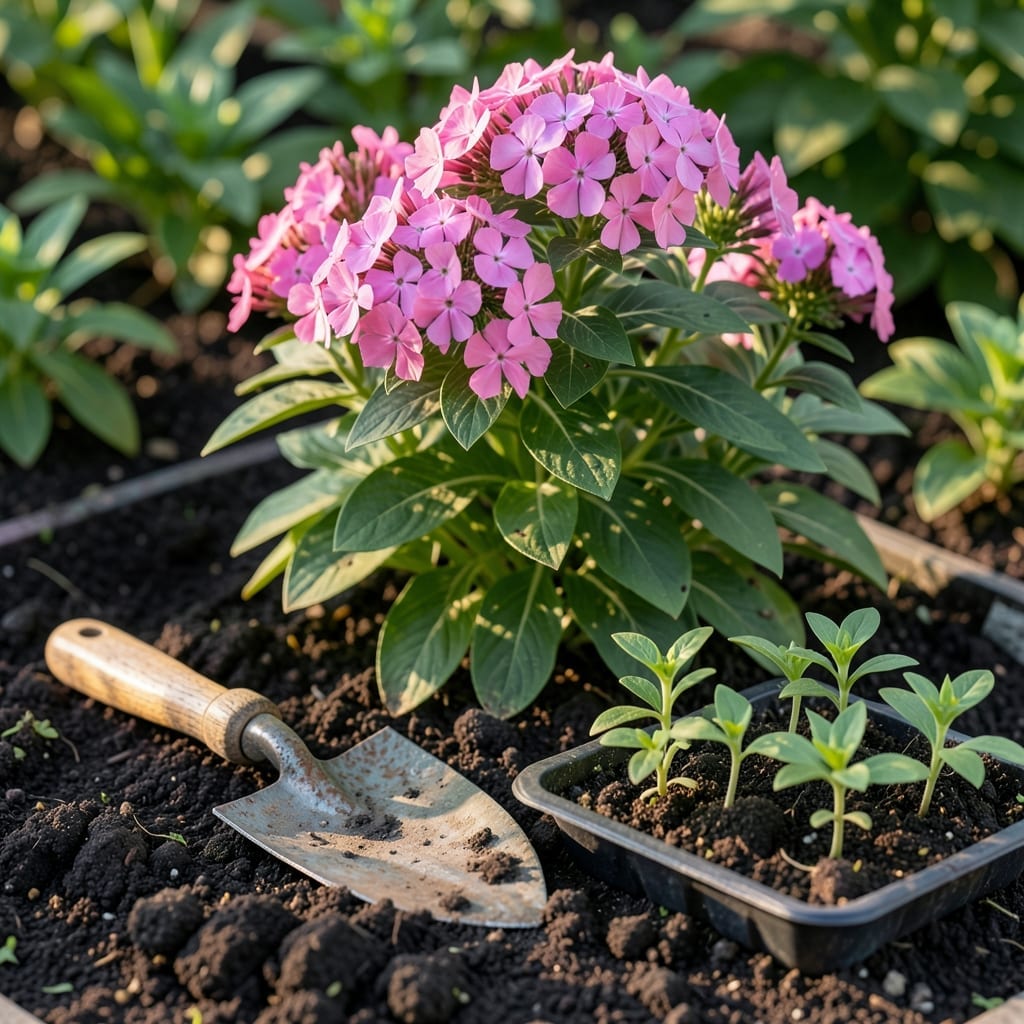
There’s something magical about watching Phlox 🌸 burst into color, transforming your garden into a vibrant, fragrant haven. But without the right approach, those stunning blooms can fall short of their potential.
I’ve learned that success with these beauties comes down to a few key fundamentals. Whether you’re planting tall garden varieties or low-growing creepers, the right techniques make all the difference.
Discover how to give your Phlox the perfect start and maintain its glory throughout the growing season. Your garden will thank you.

Getting Phlox off to a strong start begins with proper planting techniques. These vibrant perennials thrive when given the right foundation, whether you’re working with tall garden varieties or spreading ground covers.
I always recommend spring or fall planting for best results, as these seasons offer mild temperatures that help roots establish without stress. The key is preparing your soil and spacing plants correctly from the beginning.
For tall garden phlox, which can reach 3-4 feet, I recommend planting them toward the back of borders where they won’t overshadow smaller plants. The spacing of 18-24 inches gives them room to grow without competing.
Creeping phlox varieties are perfect for ground covers or cascading over walls. These spread 12-24 inches wide, so I space them 12-15 inches apart for quick coverage. They’re particularly stunning in rock gardens or along pathways.
One common mistake I see is planting too deep. The crown (where stems meet roots) should sit just above soil level. Burying it can lead to stem rot, which is especially problematic in poorly-draining soil. If your soil is heavy clay, consider raised beds.
I also recommend testing your soil before planting. Phlox prefers slightly acidic to neutral conditions (pH 6.0-7.0). A simple test kit from your garden center can save you a lot of trouble. If needed, amend with lime to raise pH or sulfur to lower it.
For the best results, I plant my phlox in early spring as soon as the ground is workable, or in early fall at least 6 weeks before the first frost. This timing gives roots a chance to establish before summer heat or winter cold sets in.
Whether you’re creating a colorful border or a fragrant ground cover, proper planting sets the stage for years of beauty in your garden. ✂️
Once your phlox is in the ground, proper ongoing care ensures those stunning blooms keep coming all season long. I’ve found that consistency in watering and feeding makes the biggest difference in flower production and plant health.
Phlox thrives with 1-2 inches of water weekly, especially during dry spells. I always water in the early morning to allow foliage to dry before evening, which helps prevent fungal diseases like powdery mildew.
For fertilizing, I use a balanced 10-10-10 every 4-6 weeks during the growing season. The key is to stop fertilizing by late summer to avoid encouraging new growth that might be damaged by frost.
Deadheading is one of my favorite phlox care tasks because it’s so rewarding. By removing spent flower clusters, you encourage the plant to produce more blooms. I do this every few days during peak flowering to keep my plants looking their best.
Tall garden phlox can become top-heavy and flop over, especially after rain. I prevent this by pinching back the stems by about one-third in late spring. This creates bushier plants with stronger stems that can support their flowers.
Finally, keep an eye out for powdery mildew, a common issue with phlox. Good air circulation, proper spacing, and morning watering help prevent it. If you spot it, remove affected foliage and consider fungicide treatment. 🌿