
Beautiful Plants For Your Interior
Beautiful Plants For Your Interior
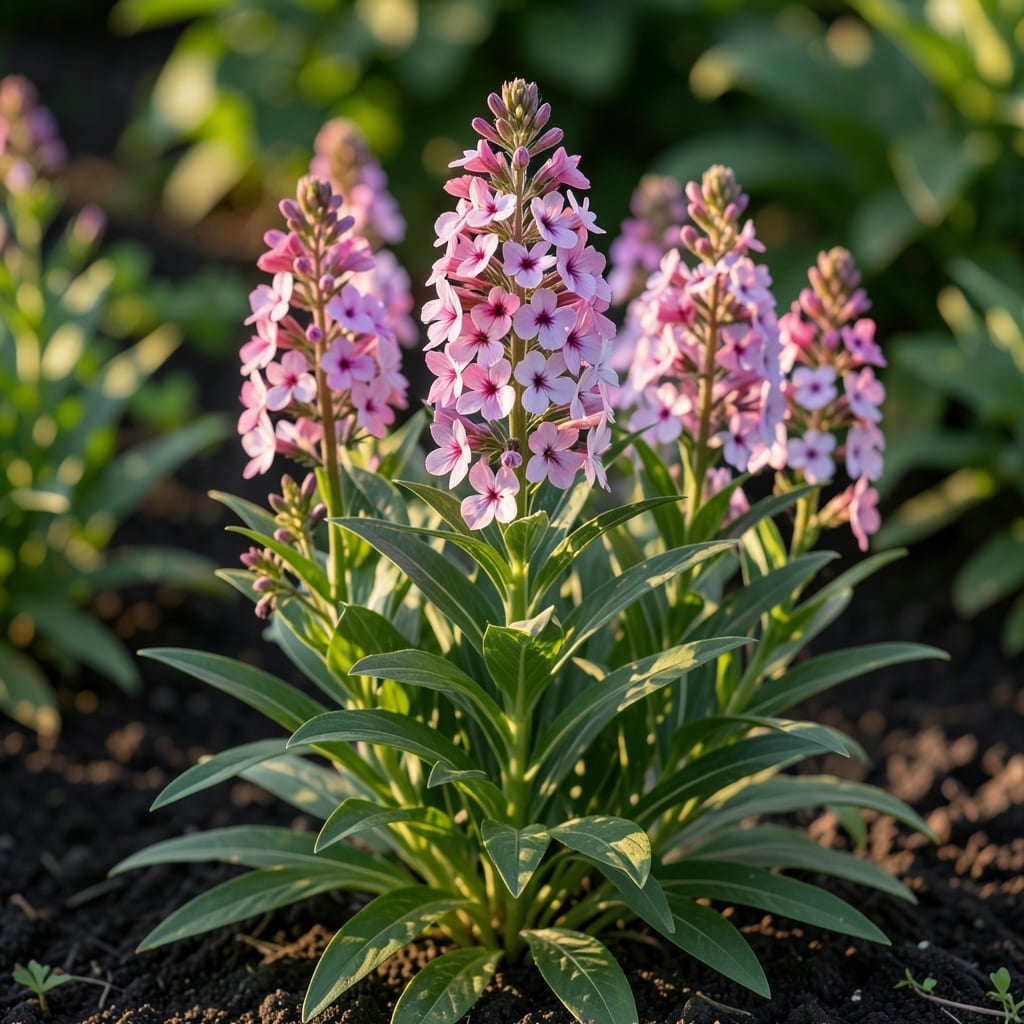
Phlox brings vibrant color and fragrance to gardens, but knowing exactly when these perennials will bloom can make or break your landscape planning.
Timing varies by species, climate, and care—so let’s break it down. The 🌸 Phlox typically graces gardens from May through September, with peak displays in summer.
Whether you’re in USDA zones 4-8 or just starting out, understanding these patterns helps you design a garden with continuous color.
Discover how to align your planting schedule with nature’s rhythm for the most stunning results.
If you’re planning a colorful garden, knowing the phlox flowering time is essential. Different phlox varieties bloom at distinct times, creating a staggered display of vibrant hues from spring to fall.
From creeping phlox in early spring to garden phlox in summer, each type has its own peak blooming window. Regional climate differences also shift these timelines slightly.
| Phlox Type | Bloom Time | Height | USDA Zones |
| Creeping Phlox | Early to Mid-Spring | 6-12 inches | 4-8 |
| Woodland Phlox | Mid to Late Spring | 1-2 feet | 4-8 |
| Garden Phlox | Mid to Late Summer | 2-4 feet | 4-8 |
| Panicle Phlox | Late Summer to Early Fall | 2-4 feet | 4-8 |
Creeping phlox is the first to bloom, often covering the ground with pink, purple, or white flowers as early as March or April. It’s perfect for rock gardens or slopes.
Woodland phlox follows in mid to late spring, thriving in shady, moist areas. Its delicate lavender or white blooms add elegance to woodland gardens.
For summer color, garden phlox steals the show with tall, fragrant clusters in July and August. This variety loves full sun and well-drained soil.
Panicle phlox rounds out the season, blooming from late summer to early fall. Its dense flower heads attract butterflies and hummingbirds, making it a pollinator favorite.
In warmer climates, phlox may bloom 1-2 weeks earlier than in cooler regions. Zone 4-5 gardeners might see blooms in late spring, while Zone 8 gardeners enjoy flowers in early spring.
To maximize bloom time, deadhead spent flowers regularly. This encourages second flushes of blooms, especially in garden and panicle phlox.
Companion planting can also extend visual interest. Pair spring-blooming phlox with tulips or daffodils, and summer phlox with coneflowers or black-eyed Susans for a continuous display.
With the right variety selection and care techniques, you can enjoy phlox blooms for nearly six months of the year. Plan your garden to include multiple types for non-stop color 🌸
I love how phlox blooms can light up a garden for weeks, but sometimes we want that color to last even longer. With a few simple tricks, you can extend your phlox flowering time or even shift it slightly.
First, deadhead spent blooms regularly to encourage new flower production. This prevents the plant from putting energy into seed development instead of new bloom cycles.
Another great strategy is staggered planting. Try planting early, mid, and late-blooming varieties together. This creates a continuous display from spring through fall.
For creeping phlox, shearing back the foliage after its first bloom can stimulate a second flush of flowers. I do this in my own garden with great success.
Remember that sunlight exposure affects bloom timing. Phlox in full sun (6+ hours) often blooms earlier than those in partial shade. Adjust your planting locations accordingly.
Finally, mulching helps maintain consistent soil moisture, which is key for prolonged blooming. I use a 2-inch layer of organic mulch around my phlox plants.
With these techniques, you can enjoy phlox flowers for weeks longer than nature intended 🌸