
Beautiful Plants For Your Interior
Beautiful Plants For Your Interior
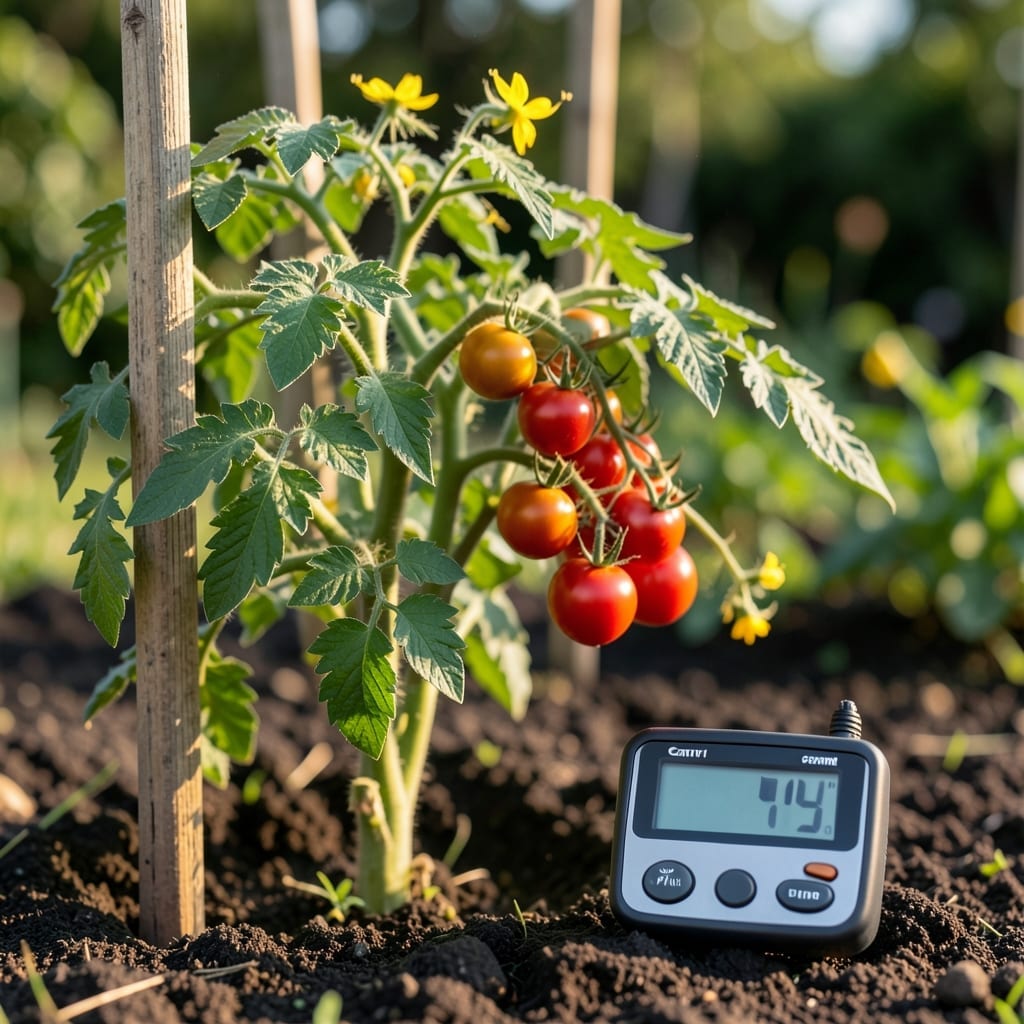
Your tomato plants might be struggling, and the culprit could be hiding right beneath them. The soil’s acidity or alkalinity directly impacts how well your 🍅 Tomato absorbs nutrients, and getting it wrong can stunt growth or reduce your harvest.
I’ve seen firsthand how adjusting this one factor can transform a mediocre crop into a thriving garden. The good news? It’s easier to fix than you might think.
Discover the simple steps to test and perfect your soil’s pH for the healthiest Tomatoes this season. Let’s dig in.
The ideal pH range for tomato plants is between 6.0 and 6.8. This slightly acidic to neutral range ensures your plants can absorb essential nutrients like nitrogen, phosphorus, and potassium efficiently.
When the pH drifts too high or low, your tomatoes may struggle with nutrient deficiencies even if the soil is rich. For example, blossom end rot often appears in soils that are too alkaline.
| Requirement | Specification |
|---|---|
| Ideal pH Range | 6.0 – 6.8 |
| Best for Nutrient Uptake | Nitrogen, Phosphorus, Potassium |
| Prevents Common Issues | Blossom end rot, stunted growth |
| Test Frequency | Every 2-3 years |
I always recommend testing your soil before planting. A simple pH test kit from your local garden center can give you a quick reading. If the soil is too acidic, lime can help raise the pH.
For soils that are too alkaline, elemental sulfur or peat moss can lower the pH over time. Remember, gradual adjustments are key—drastic changes can shock your plants.
In my garden, I’ve found that compost helps maintain a balanced pH naturally. It also improves soil structure, which boosts root health and nutrient accessibility.
If you notice yellowing leaves or poor fruit set, it might be a sign of pH imbalance. But don’t jump to conclusions—other factors like water stress or pests can mimic these symptoms.
For the best results, aim to test your soil in early spring or late fall. This gives you time to make adjustments before the growing season begins.
Pro tip: If you’re growing tomatoes in containers, use a well-draining potting mix and monitor pH more frequently, as container soils can dry out and shift pH faster.
With the right pH, your tomato plants will reward you with vibrant growth and a bountiful harvest. It’s one of those small details that makes a big difference in gardening 🌱
Testing your soil pH is the first step toward thriving tomato plants. I recommend using a DIY pH test kit for quick results, or sending a sample to a lab for more precise analysis.
For accurate readings, collect soil from 4-6 inches deep in multiple spots across your garden. Avoid testing right after fertilizing, as this can skew results.
To raise pH, garden lime works best. Apply 5-10 lbs per 100 sq ft and mix into the top 6 inches of soil. For lowering pH, elemental sulfur is effective—use 1-2 lbs per 100 sq ft.
I’ve found that organic matter like compost helps stabilize pH over time. It also improves soil structure, which enhances root growth and nutrient uptake.
If you’re growing in containers, pH can shift faster due to frequent watering. Use a pH-balanced potting mix and monitor more often. I check my container tomatoes every 4-6 weeks during the growing season.
Patience is key—pH changes take time. Avoid over-correcting, as drastic swings can stress your plants. With consistent care, you’ll create the perfect environment for healthy, productive tomato plants 🌱