
Beautiful Plants For Your Interior
Beautiful Plants For Your Interior
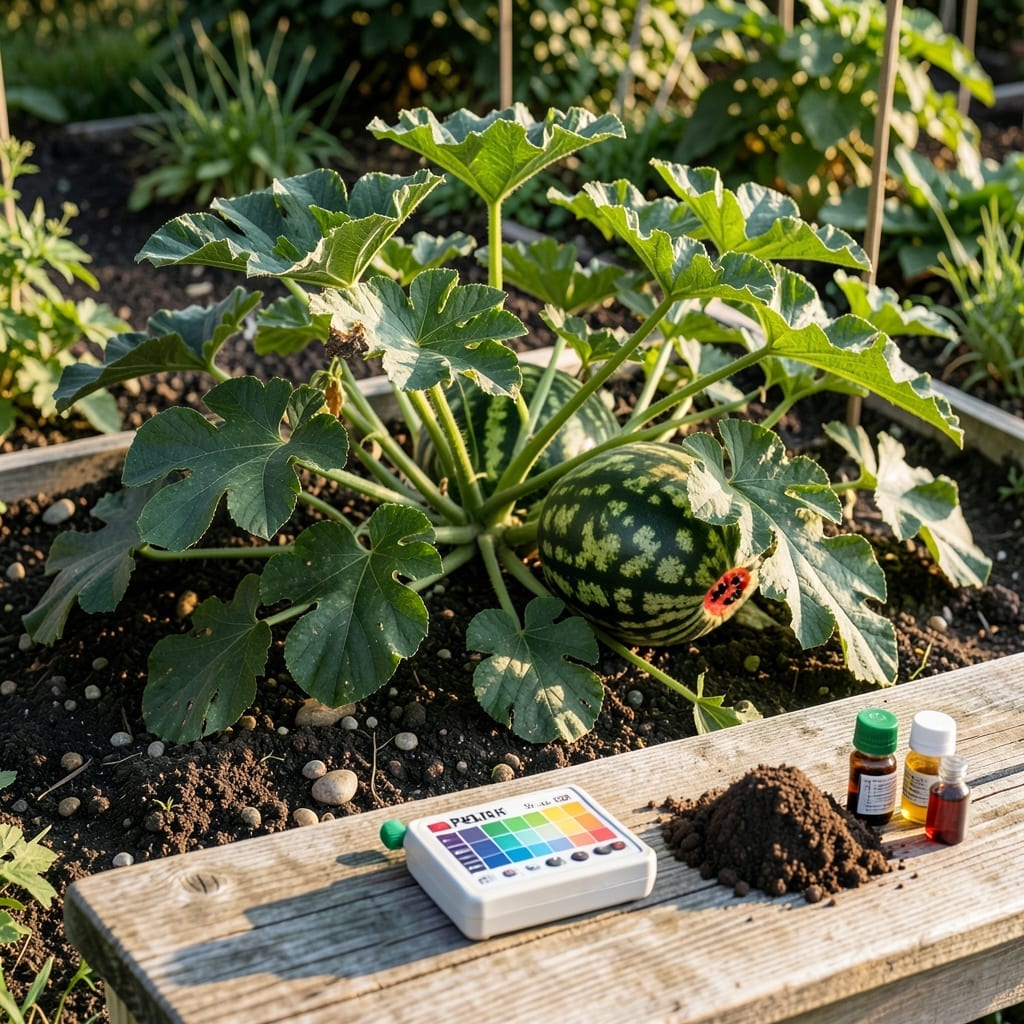
Ever bitten into a watermelon and been disappointed by its lack of sweetness? The secret might be hiding right beneath your plants in the soil.
Getting the right conditions for your 🍉 Watermelon can transform your harvest from mediocre to mouthwateringly delicious. It’s all about creating the perfect environment for those vines to thrive.
I’ve learned through trial and error that even small adjustments can make a big difference in both plant health and fruit quality. The foundation for that perfect watermelon starts with understanding your soil.
Discover how to unlock the full potential of your Watermelon crop. The difference between good and great often comes down to just a few simple factors.
If you want sweet, juicy watermelons, soil pH is your secret weapon. The ideal pH for watermelon falls between 6.0 and 6.8, slightly acidic to neutral. This range ensures optimal nutrient uptake, particularly for phosphorus and potassium, which are critical for fruit development.
When soil pH drifts too high or low, nutrient lockout occurs, stunting growth. Watermelons in alkaline soil (pH >7.0) often struggle with iron and manganese deficiencies, leading to yellowing leaves. On the flip side, highly acidic soil (pH <5.5) can limit calcium and magnesium availability.
| Requirement | Specification |
|---|---|
| Ideal pH Range | 6.0 – 6.8 |
| Best pH for Sweetness | 6.2 – 6.5 |
| Minimum Acceptable pH | 5.5 |
| Maximum Acceptable pH | 7.2 |
| Nutrients Most Affected | Phosphorus, Potassium, Iron |
I’ve found that watermelons grown at pH 6.2-6.5 tend to produce the sweetest fruit. This is because sugar content in watermelons is directly linked to balanced nutrient availability. When pH is optimal, plants can absorb boron and zinc more efficiently, both of which play roles in sugar metabolism.
You’ll notice pH imbalance symptoms first in the leaves. Interveinal chlorosis (yellowing between veins) often signals iron deficiency from high pH. Meanwhile, purple stems or leaves may indicate phosphorus deficiency in acidic soils. Stunted growth is another red flag that your soil pH might be off.
Remember that soil type affects how you adjust pH. Sandy soils change pH more quickly but also leach nutrients faster. Clay soils resist pH changes but may require more frequent testing. I always recommend testing multiple spots in your garden, as pH can vary significantly even within a small area.
For container-grown watermelons, pH management is even more critical. Potting mixes often start slightly acidic but can become more alkaline over time due to watering practices. Using rainwater or distilled water can help maintain a stable pH in containers.
Don’t forget that organic matter plays a role in pH stability. Compost and well-rotted manure act as buffers, helping to moderate pH swings. I like to work in 2-3 inches of compost each season to keep my watermelon beds in the ideal range.
In my experience, the best time to test pH is in early spring before planting. This gives you time to make adjustments before your watermelon seeds go in. Fall testing is also valuable, allowing you to amend the soil over winter for the next growing season.
Achieving the perfect pH for watermelon might take some trial and error, but the reward of sweeter, more abundant fruit is well worth the effort. 🌱
Testing your soil pH is the first step toward sweeter watermelons. I recommend using a soil test kit or digital meter for accuracy. These tools give you a clear reading of your soil’s acidity or alkalinity levels.
Once you have your results, you can take action. If your pH is too low, add garden lime to raise it. For high pH, elemental sulfur works well to lower it. Always follow package instructions carefully.
Remember, gradual adjustments are key. Adding too much lime or sulfur at once can shock your plants. I always retest my soil after a couple of weeks to ensure the pH is stabilizing.
Your local water pH can also affect soil over time. If you’re using well water or municipal water, test it occasionally. Highly alkaline water can slowly raise your soil pH, requiring periodic adjustments.
For the best results, I suggest testing your soil every growing season. Even small changes in pH can impact nutrient availability and, ultimately, the sweetness of your watermelons. ☀️
If you’re unsure about the process, don’t hesitate to reach out to your local extension office. They often provide free soil testing and can offer tailored advice for your region’s conditions.
Consistent monitoring ensures your watermelon plants stay healthy and productive all season long. 🌱