
Beautiful Plants For Your Interior
Beautiful Plants For Your Interior
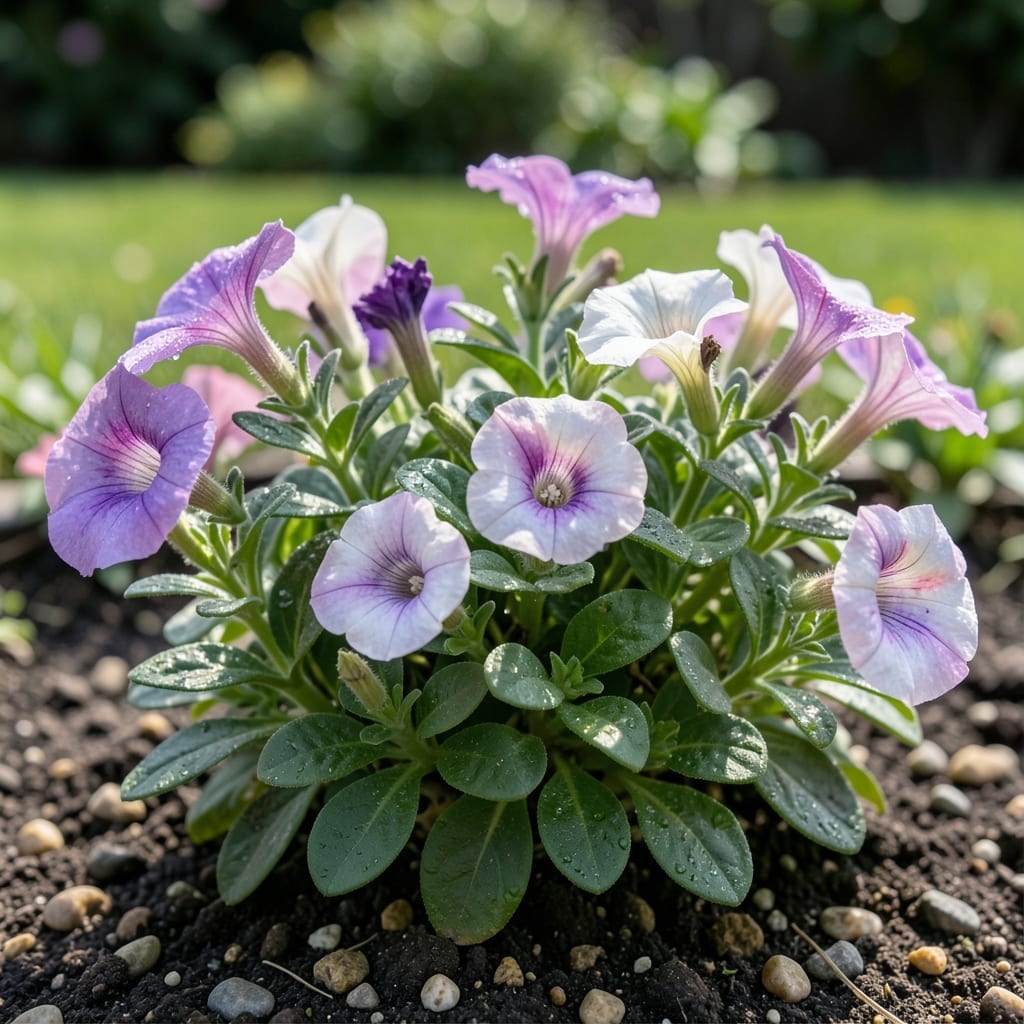
I’ll let you in on a little secret about Petunias 🌸 – their stunning blooms aren’t just about good soil or watering. The real game-changer is how much sunlight they get each day.
Get this wrong, and you might end up with lackluster flowers or struggling plants. But nail the light conditions, and you’ll be rewarded with vibrant, abundant blossoms all season long.
Discover exactly how to position your Petunias for maximum impact, whether your garden basks in full sun or deals with dappled shade. The difference in your results will speak for itself.
 Best Window Placement
If you’ve ever wondered whether petunias need full sun or can tolerate partial shade, the answer is clear: these vibrant flowers absolutely thrive in sunlight. For the most lush blooms and robust growth, aim for at least 6 hours of direct sun daily.
While some varieties can handle a bit of shade, they’ll often produce fewer flowers and may become leggy. Grandiflora petunias, for instance, demand the most light, while Multiflora types are slightly more forgiving in less-than-ideal conditions.
| Variety | Ideal Sunlight | Tolerance |
|---|---|---|
| Grandiflora | 6-8+ hours | Low shade tolerance |
| Multiflora | 6+ hours | Moderate shade tolerance |
| Milliflora | 4-6+ hours | Best shade tolerance |
In my experience, morning sunlight is particularly beneficial for petunias. It helps dry the dew quickly, reducing the risk of fungal diseases. If your garden only gets afternoon sun, don’t worry—petunias can handle that too, though they may need more frequent watering.
For those with shady gardens, consider Milliflora petunias. These smaller-bloomed varieties can make do with 4-6 hours of sun, though they’ll still perform best with as much light as possible. Even shade-tolerant types will have fewer blooms than their sun-drenched counterparts.
The intensity of sunlight matters too. In extremely hot climates, a bit of afternoon shade can prevent leaf scorch. I’ve seen petunias wilt in the hottest part of the day, only to perk up once the sun’s angle softens.
Container-grown petunias offer flexibility. You can move pots to follow the sun or provide shade when needed. This is especially useful on balconies or patios where light conditions change throughout the day.
Remember that soil moisture and sun exposure go hand in hand. Petunias in full sun will need more frequent watering—sometimes daily in peak summer. Those in partial shade can often go longer between waterings.
If you’re planting in hanging baskets, ensure they get adequate light from all sides. I’ve found that baskets under eaves or awnings often don’t receive enough light, leading to sparse blooming.
Finally, observe your petunias closely. If they’re getting too much shade, you’ll notice elongated stems and reduced flowering. Too much sun without enough water? Look for wilted leaves and crispy edges. Adjust accordingly for the best results.
With the right balance of light, your petunias will reward you with abundant, colorful blooms all season long 🌸
Adapting your petunia care to different light scenarios ensures vibrant blooms regardless of your garden’s sun exposure. The key is understanding how each variety responds to available light and making smart adjustments.
For full sun locations, I recommend starting with Grandiflora petunias. These showstoppers need 6-8+ hours of direct sunlight to produce their signature large, ruffled blooms. Just be prepared to water more frequently during heatwaves.
If your space gets partial shade, focus on Milliflora petunias. These compact plants can thrive with 4-6 hours of sunlight, though they’ll bloom more profusely with additional light. I’ve had great success with these in east-facing beds.
For morning sun only situations, most petunia varieties will perform admirably. The morning light is gentler, reducing the risk of heat stress while still providing the energy needed for robust blooming. This is my preferred setup for balcony gardens.
In intense afternoon sun, consider providing some dappled shade during the hottest hours. A simple shade cloth can make a big difference, especially in southern climates. I’ve seen petunias revive dramatically once shielded from the harshest rays.
Don’t forget that container-grown petunias give you the ultimate flexibility. You can experiment with different light exposures until you find the sweet spot. Just
With these adaptations, you’ll find the perfect light balance for your petunias to thrive in any garden setting ☀️