
Beautiful Plants For Your Interior
Beautiful Plants For Your Interior
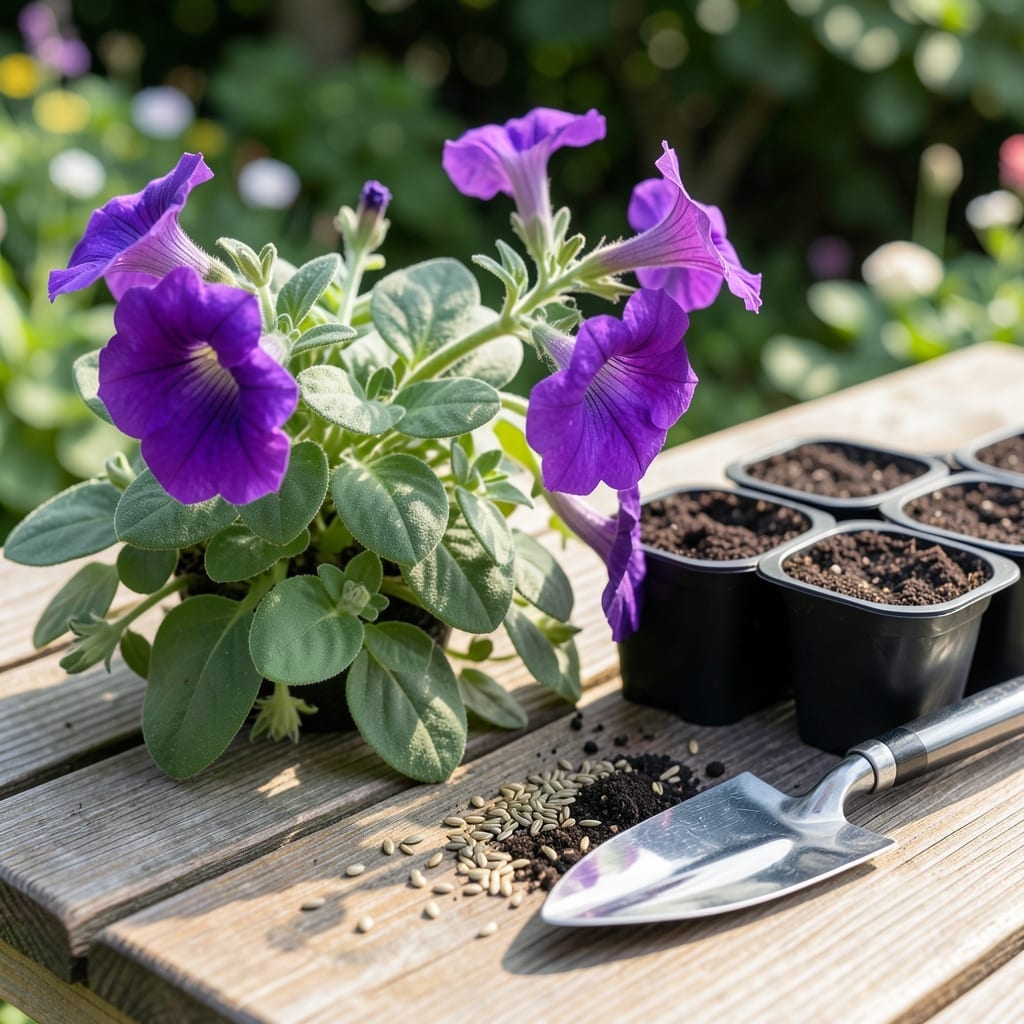
Timing is everything when it comes to sowing Petunia 🌸 seeds. Plant too early or too late, and you risk weak blooms or stunted growth.
Discover the perfect window to start your petunias for a garden bursting with color all season long. I’ll walk you through the most important factors for success.
Learn how to align your planting with frost dates and soil conditions. Let’s dive into the details that make all the difference.
Timing your petunia seed sowing correctly can make the difference between a lackluster display and a vibrant garden. I’ve found that aligning your planting with local frost dates is key for success.
In most regions, starting seeds indoors 8-10 weeks before the last frost date gives them a head start. This ensures strong seedlings ready to transplant when the weather warms.
| Zone | Indoor Start | Outdoor Transplant |
|---|---|---|
| Zones 3-4 | Mid February | Late May |
| Zones 5-6 | Early March | Mid April |
| Zones 7-8 | Late January | Early April |
| Zones 9-10 | Early January | Late February |
For cooler climates like Zones 3-4, an indoor start is non-negotiable. The short growing season means every week counts, so begin sowing in February to hit the ground running.
In Zones 5-6, you have a bit more flexibility. I recommend starting seeds indoors in March to avoid late frosts. Transplant outdoors after the last frost, usually by mid-April.
Warmer regions like Zones 7-10 can start seeds as early as January. The mild winters allow for earlier outdoor planting, but watch for unexpected cold snaps that could harm tender seedlings.
If you’re unsure about your frost dates, check with your local extension office. They provide hyper-local advice that’s often more accurate than general guides.
Soil temperature matters just as much as air temperature. Petunias germinate best in soil that’s 70-75°F. Use a seedling heat mat if your home is cooler to speed up the process.
Don’t rush to move seedlings outside. Hardening off is critical—gradually expose them to outdoor conditions over a week to prevent transplant shock. I’ve lost count of how many seedlings I’ve saved with this simple step.
Finally, remember that petunias love heat. Once the nighttime temperatures consistently stay above 50°F, your seedlings will thrive in their new home. This timing ensures a long, colorful blooming season that lasts until the first frost. 🌸
Choosing between indoor and outdoor sowing for petunias depends on your climate and growing goals. I’ve tried both methods, and each has distinct advantages for different situations.
Starting seeds indoors gives you earlier blooms and better control over germination conditions. This is ideal for cooler regions where the growing season is short.
For outdoor sowing, wait until soil temps reach at least 60°F. In warmer zones, this might be as early as late February, while cooler areas should wait until May.
I recommend indoor sowing for most gardeners. The 8-10 week head start means your petunias will be blooming by transplant time, giving you a longer color season.
If you choose direct outdoor sowing, pick a sheltered spot with full sun. Keep the soil consistently moist until germination, which typically takes 7-14 days. 🌱
Hybrid approach works well too: Start some seeds indoors early and sow others directly later for staggered blooms all season long. This gives you the best of both worlds.