
Beautiful Plants For Your Interior
Beautiful Plants For Your Interior
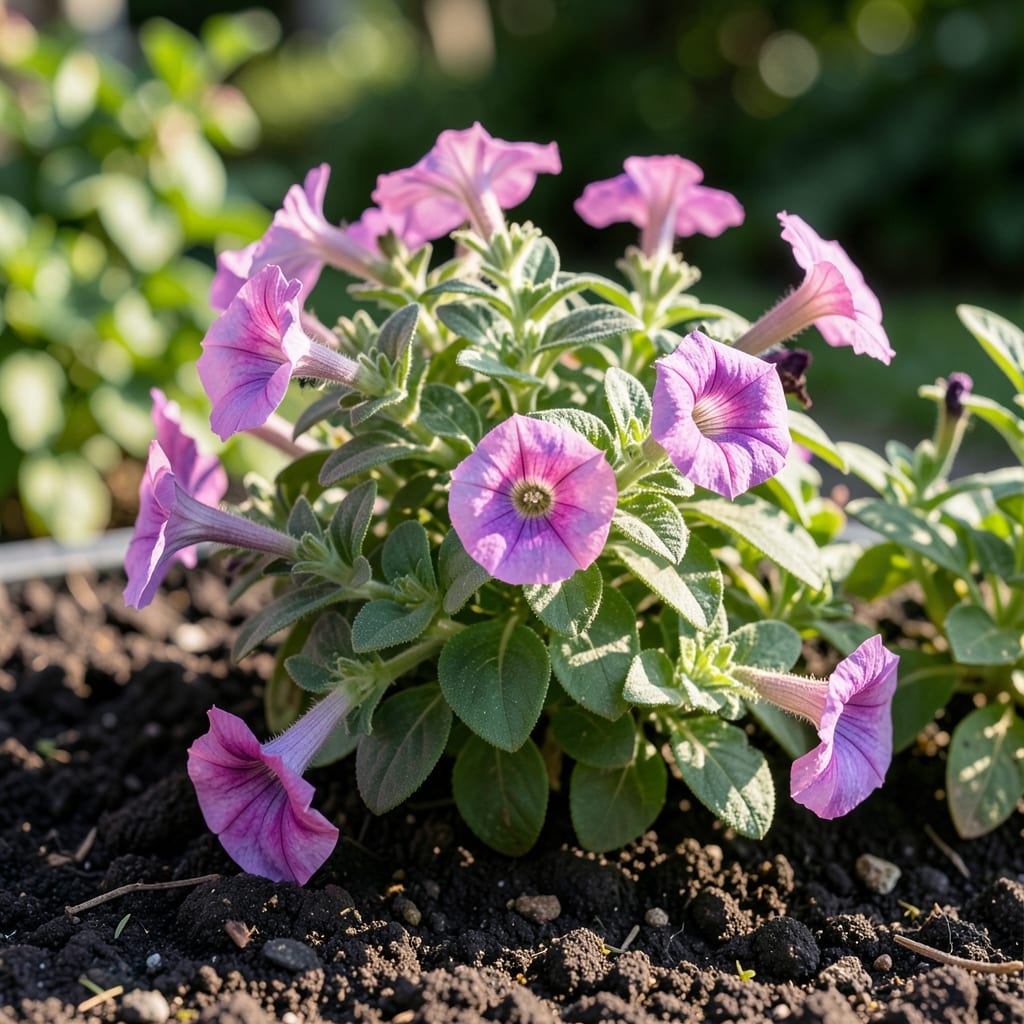
The Spanish word for petunia is petunia, as it’s a loanword used identically in both languages. Some regions may also refer to it as petunias in plural form.
I find it fascinating that this flower retains its name across languages because it originates from South American indigenous terms. The word traveled globally without translation, which speaks to its universal recognition. In many gardens across Spanish-speaking countries, you’ll find these vibrant blooms thriving in similar conditions to their native habitats. ✨
💡 In This Article
The word “petunia” traces back to the Tupi-Guarani language of South America’s indigenous peoples. These tribes used the term petú (meaning tobacco) for related plants, as petunias belong to the Solanaceae family, which includes tobacco. European botanists adopted this name in the 18th century when cataloging new species, preserving its original form. 🌟
Spanish explorers and scientists encountered these vibrant flowers in the wilds of Argentina and Brazil. Rather than translating the name, they kept the indigenous term, which then spread to other languages. This linguistic preservation highlights how scientific names often retain their roots when no direct translation exists. ✨
The flower’s scientific name, Petunia × atkinsiana, reflects this history. The “×” symbol indicates its hybrid origin, blending species from South America. This botanical classification helped standardize the name globally, making “petunia” recognizable in gardens from Madrid to Mexico City. 💫
What’s particularly interesting is how the name maintained its spelling across languages. Unlike many plant names that get adapted phonetically, “petunia” remained virtually unchanged in English, Spanish, French, and German. This consistency speaks to its early adoption in scientific literature. ⚡
In Spanish-speaking countries, you might hear it pronounced with a slight accent variation, but the spelling stays identical. This makes it one of the few plant names that bridges languages without modification, a testament to its global popularity and the respect for its indigenous origins. 🔥
Yes, petunia remains unchanged across all Spanish-speaking regions. It’s one of the few plant names that didn’t get localized during adoption. This consistency makes it easy to recognize worldwide.
Because it’s a loanword from Tupi-Guarani, an indigenous South American language. Scientific names often retain their original forms when no direct translation exists. The term traveled globally through botanical literature.
While the base name stays petunia, some hybrids get descriptive names like petunia de flor grande for grandifloras. These are informal terms, not official translations.
The pronunciation shifts slightly: peh-TOO-nee-ah with emphasis on the second syllable. The spelling remains identical to English. This subtle difference reflects Spanish phonetic patterns.