
Beautiful Plants For Your Interior
Beautiful Plants For Your Interior
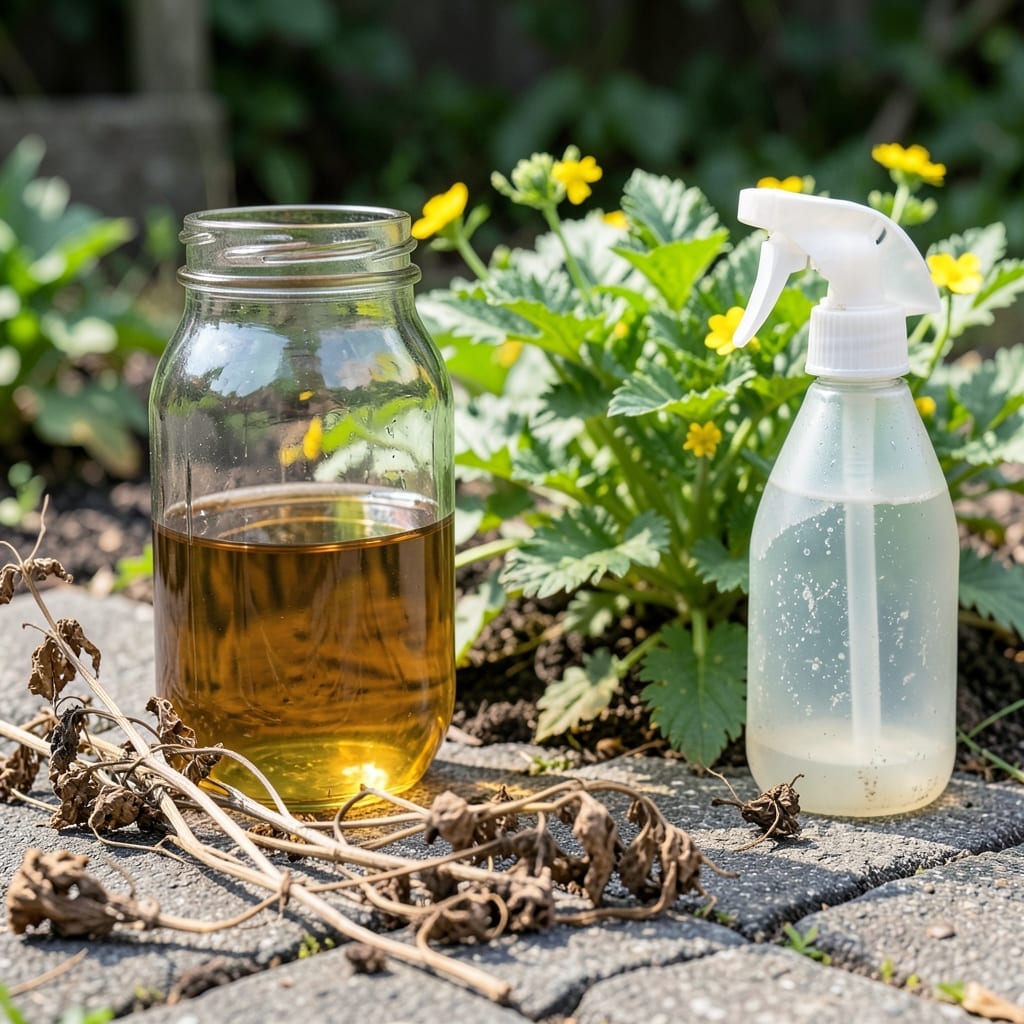
Weeds taking over your garden can feel like a losing battle, especially when nothing else works. I’ve been there—watching stubborn plants spread no matter what I tried.
That’s why some gardeners turn to unconventional solutions like using petrol. It’s potent, but there’s a right way and many wrong ones to do it.
Before you grab that fuel can, you need to understand the risks and safe methods. One misstep can harm more than just the weeds.
Let me walk you through what works, what doesn’t, and how to protect your garden while tackling those persistent invaders.
I’ve seen many gardeners turn to petrol as a weed killer when facing tough, persistent invaders. It’s a powerful method, but understanding how it works is key to using it effectively and safely in your garden.
Petrol acts as a non-selective herbicide, breaking down the cell membranes of plants. This disrupts their ability to retain moisture and nutrients, causing them to wilt and die within days.
| cell” style=”background-color:#6fd544;color:#ffffff;”>Effectiveness | row”> | cell”>High | row”> | cell”>Moderate | row”> | cell”>Low | Often regrow from roots |
|---|
The herbicidal properties of petrol stem from its hydrocarbon compounds, which are toxic to plant life. When applied directly to weed foliage, it strips the protective wax layer, leading to rapid dehydration.
Many gardeners choose this method because it’s fast-acting and readily available. However, it’s important to note that petrol doesn’t discriminate—it’ll kill any plant it touches, including your prized flowers or vegetables.
I’ve found that petrol is most effective on young, tender weeds. Mature plants with thick stems or deep roots often survive the initial treatment, requiring multiple applications for full control.
Another reason for its popularity is its low cost compared to commercial herbicides. A small amount can cover a large area, making it an economical choice for gardeners on a budget.
However, environmental concerns are a major drawback. Petrol can contaminate soil, harm beneficial microbes, and even leach into groundwater, posing risks to the broader ecosystem.
It’s also worth noting that petrol’s effectiveness varies with weed species. Some plants, like dandelions or bindweed, may show resistance, requiring a more targeted approach.
In my experience, petrol works best in driveways and pathways where you want to eliminate all vegetation. In garden beds, the risk of collateral damage to desirable plants is simply too high.
Always remember that safety first is critical. Petrol is flammable and toxic, so proper handling and application are non-negotiable for protecting yourself and your garden.
🌱When using petrol as weed killer, safety is your top priority. I always recommend diluting petrol with water at a 1:10 ratio to reduce toxicity while maintaining effectiveness. This method works best on driveways and paved areas where you don’t risk harming nearby plants.
For precise application, I use a spray bottle with a fine mist nozzle. This lets me target weed leaves directly without overspray.
⚠️ Safety First!
Always wear protective gloves and eyewear when handling petrol. Avoid skin contact and ensure good ventilation during application.
Timing matters with petrol applications. I’ve found early morning or late afternoon works best when temperatures are cooler. This prevents rapid evaporation and gives the petrol time to penetrate the weed’s cell structure effectively.
For stubborn perennial weeds, you might need multiple applications. I typically wait 3-4 days between treatments to assess effectiveness. Be patient – some deep-rooted weeds may take 2-3 weeks to completely die back.
After application, I always monitor the area for new weed growth. Petrol doesn’t prevent new weeds from emerging, so you’ll need to reapply as needed. Consider this a temporary solution rather than a permanent fix for your weed problems.
Finally, always store unused petrol properly in a sealed container away from children and pets. Never leave it in direct sunlight or near heat sources, as petrol is highly flammable even in diluted forms. ✂️