
Beautiful Plants For Your Interior
Beautiful Plants For Your Interior
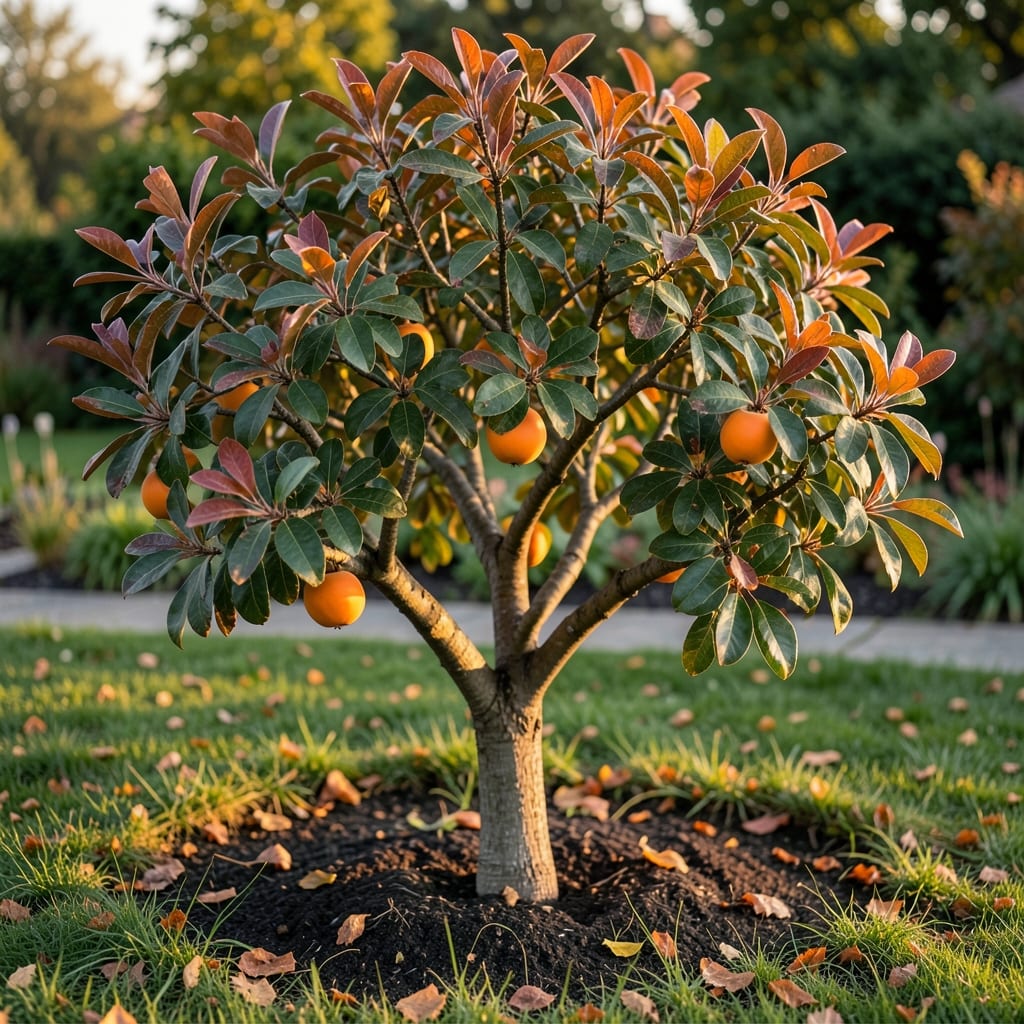
Persimmon tree leaves tell the health story of your tree before the fruit ever appears. I’ve learned to spot trouble early by checking the color, texture, and pattern of those glossy green leaves.
Yellowing often signals water stress, while dark spots can mean fungal issues. The solutions are usually simpler than you think—adjust watering, improve airflow, or add a bit of fungicide. Early action saves the season.
📚 In This Guide
Here’s how I maximize the benefits of persimmon foliage in my garden every season.
Gather persimmon leaves in early to mid-autumn when they’ve turned vibrant orange but haven’t yet fallen. This is when their beneficial compounds are most concentrated. I use clean garden shears to snip healthy leaves from the tree, making sure to select mature ones rather than new growth.
Look for leaves that are fully colored but still supple. Avoid any with spots, tears, or signs of disease. A single persimmon tree can provide enough foliage for multiple garden uses, so take only what you need and leave plenty on the tree.
Spread the leaves in a single layer on a clean, dry surface in a well-ventilated area. A dark, warm room works best. I turn them every 2-3 days to ensure even drying and prevent mold. They’re ready when they’re crisp to the touch and crumble easily.
Store the dried leaves in a paper bag or airtight container away from moisture. Properly dried persimmon leaves will keep their color and efficacy for up to a year. This gives you a steady supply for teas, mulch, or other applications throughout the seasons.
Chop the dried leaves coarsely and spread them around the base of plants as a 2-3 inch layer of mulch. I focus on acid-loving plants like blueberries and azaleas, as persimmon leaves slightly acidify the soil as they break down. They also suppress weeds and retain soil moisture.
You’ll notice the mulch decomposes faster than wood chips, releasing nutrients back into the soil. Reapply every 4-6 weeks during the growing season for continuous benefits. The leaves’ natural compounds also help deter certain garden pests.
Steep a handful of dried leaves in 1 gallon of hot water for 24-48 hours. I use this nutrient-rich tea as a foliar spray or soil drench for my vegetables and ornamentals. The tea provides a gentle boost of minerals and organic compounds that promote healthy growth.
Strain the liquid before use and apply in the early morning or late evening to prevent leaf burn. I’ve found that using this tea once every 2 weeks gives my plants a noticeable vitality boost without over-fertilizing.
Small details make a big difference when working with persimmon leaves in the garden.
Timing Secret: In Step 1, gather leaves in early to mid-autumn when they’re vibrant orange but still on the tree. This is when their beneficial compounds peak. Leaves that have already fallen lose potency quickly, so timing is everything.
Drying Technique: For Step 2, that 2-3 day turning schedule is crucial. I learned the hard way that skipping this leads to uneven drying and potential mold. A dark, warm room works best because light can degrade some of the leaves’ beneficial properties.
Application Tip: When using leaves as mulch in Step 3, stick to the 2-3 inch layer. Any thicker can mat down and prevent proper air circulation. I’ve found this depth is perfect for moisture retention without smothering plants.
Tea Preparation: In Step 4, the 24-48 hour steeping window is ideal. Shorter than 24 hours won’t extract enough nutrients, while longer than 48 hours can make the tea too strong and potentially harm plants.
Yellowing or browning leaves often signal overwatering, nutrient deficiency, or pest issues. Check soil moisture and inspect for aphids or mites. Seasonal color changes are normal in fall.
While not toxic, persimmon leaves aren’t typically eaten raw. They’re used in teas (like kaki cha) for their vitamin C and antioxidants. Always wash thoroughly before use.
Prune in late winter or early spring before new growth starts. Avoid heavy pruning during active growth to prevent stress. Remove dead or diseased leaves year-round.
Alternatives include green tea, mulberry leaves, or loquat leaves, which offer similar mild, earthy flavors. Herbal options like chamomile or mint also work for a caffeine-free brew.
Spots may indicate fungal infections (e.g., leaf spot). Remove affected leaves, improve airflow, and apply a copper-based fungicide. Avoid overhead watering to prevent recurrence.