
Beautiful Plants For Your Interior
Beautiful Plants For Your Interior
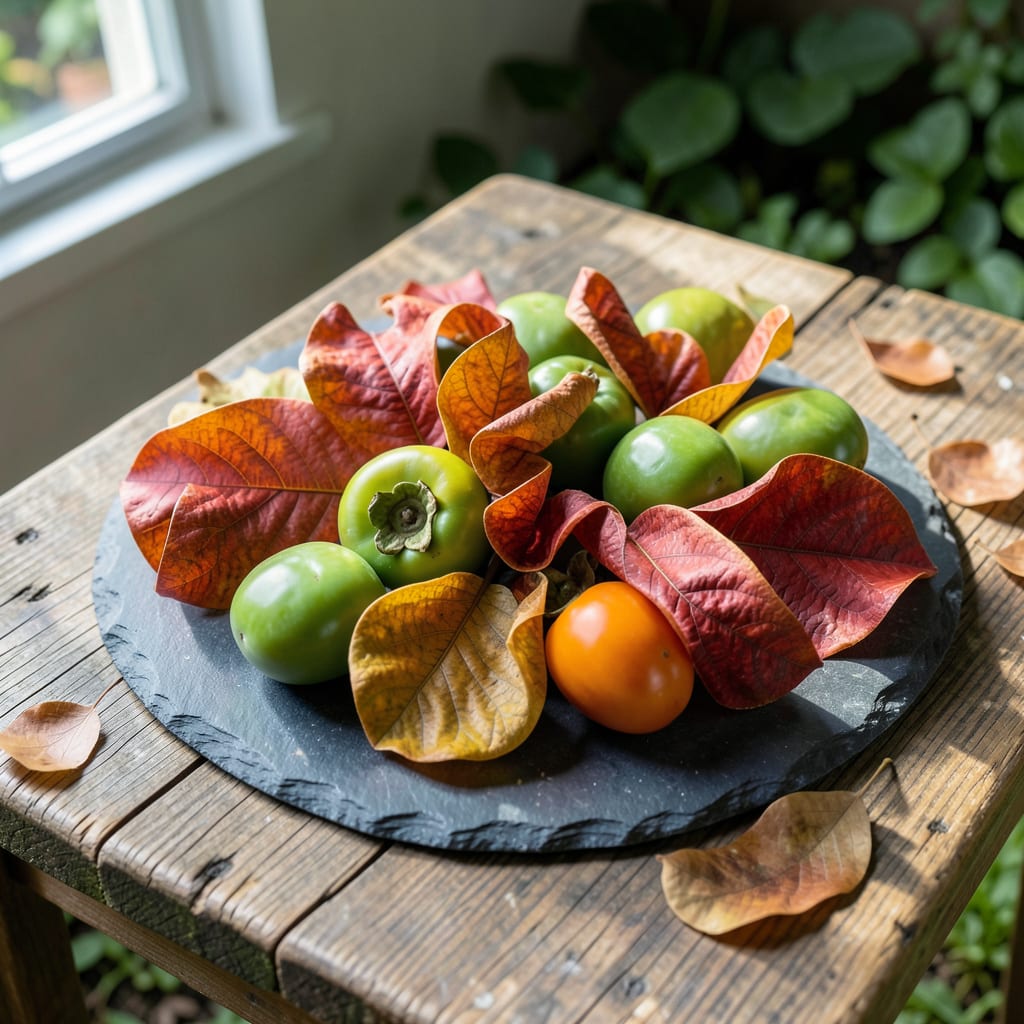
First time I saw my persimmon leaves twisting into little tubes, I panicked. Turns out, curled leaves are your tree’s way of sending an SOS before bigger problems hit.
Most cases trace back to three culprits: aphids sucking sap, fungal infections spreading, or drought stress kicking in. The good news? Catching it early means you can fix it with simple cultural adjustments.
I’ve saved multiple trees with targeted watering schedules, neem oil sprays, and better air circulation. The leaves unfurl within 7-10 days once the underlying issue is addressed.
Works for young saplings and mature trees alike. Here’s how to diagnose and treat it properly.
Persimmon tree leaves curl due to a mix of environmental stressors, pests, or diseases. Here’s a breakdown of the most common causes:
Extreme temperatures, drought, or excessive moisture can trigger leaf curling. High heat (above 90°F/32°C) accelerates water loss, causing leaves to curl inward to conserve moisture. Conversely, overwatering or poor drainage suffocates roots, disrupting nutrient uptake and stressing the tree. Wind damage or sudden temperature drops can also shock the tree, leading to curled or deformed leaves.
Sap-sucking pests like aphids, psyllids, or spider mites are prime culprits. These insects pierce leaf tissues to feed, causing cellular damage and curling. Aphids, for example, excrete honeydew, a sticky substance that promotes sooty mold growth, further stressing the tree. Check the undersides of leaves for tiny insects or webbing—early signs of an infestation.
Pathogens such as leaf spot diseases (e.g., Cercospora or Anthracnose) or bacterial leaf scorch can cause curling as a secondary symptom. Fungal spores thrive in wet, humid conditions, leading to lesions that distort leaf growth. Bacterial infections, often spread by pruning tools or rain, clog the tree’s vascular system, restricting water flow and triggering curl.
A lack of magnesium, potassium, or nitrogen can manifest as curling leaves. Magnesium deficiency, for instance, causes interveinal chlorosis (yellowing between veins) followed by curling. Poor soil pH (below 6.0 or above 7.5) may lock out essential nutrients, even if they’re present. Test your soil to confirm imbalances before amending.
Addressing curling leaves on your persimmon tree starts with identifying the root cause. Below are practical solutions tailored to common issues, along with prevention tips to keep your tree thriving.
Fix: Check soil moisture 2 inches deep. If dry, water deeply once a week; if soggy, reduce watering and improve drainage by amending soil with compost. For potted trees, ensure the container has drainage holes.
Prevention: Use a moisture meter or the finger test (stick your finger in the soil) to guide watering. Mulch around the base to retain moisture evenly. 💡
Fix: Inspect leaves for aphids, mites, or scale. Blast pests off with a strong stream of water or apply insecticidal soap or neem oil, focusing on the undersides of leaves. Repeat every 5–7 days until pests are gone.
Prevention: Encourage beneficial insects like ladybugs by planting companion flowers. Prune heavily infested branches to prevent spread. ✨
Fix: Remove and destroy affected leaves and branches to limit spread. Apply a copper-based fungicide or bactericide according to label instructions, especially in wet seasons.
Prevention: Space trees properly for airflow, and avoid overhead watering. Clean up fallen leaves and debris around the tree to reduce disease pressure. 🌡️
Fix: Test soil for deficiencies (common culprits: nitrogen, potassium, or magnesium). Amend with a balanced fertilizer or specific supplements like Epsom salt for magnesium. Follow package instructions for application rates.
Prevention: Fertilize in early spring and mid-summer with a slow-release product. Monitor leaf color and growth for early signs of deficiency. 🎯
Fix: Shield young trees from extreme heat or cold with shade cloth or frost blankets. If wind is the issue, plant a windbreak or stake the tree for support.
Prevention: Choose a planting site with partial shade in hot climates and full sun in cooler areas. Acclimate potted trees gradually to outdoor conditions. ⏰
Water deeply once a week, checking soil moisture 2 inches down. Adjust for weather—reduce in rain, increase in heat. Mulch helps retain moisture evenly.
Not always. While pests like aphids cause curling, environmental stress or nutrient deficiencies can too. Inspect leaves for bugs or damage to confirm.
Yes, a baking soda solution (1 tsp per quart of water) can help mild fungal problems. For severe cases, use a copper-based fungicide. Always remove infected leaves first.
Apply a balanced fertilizer or specific supplements like Epsom salt for magnesium. Test soil first to target the deficiency. Results appear in 1-2 weeks.
