
Beautiful Plants For Your Interior
Beautiful Plants For Your Interior
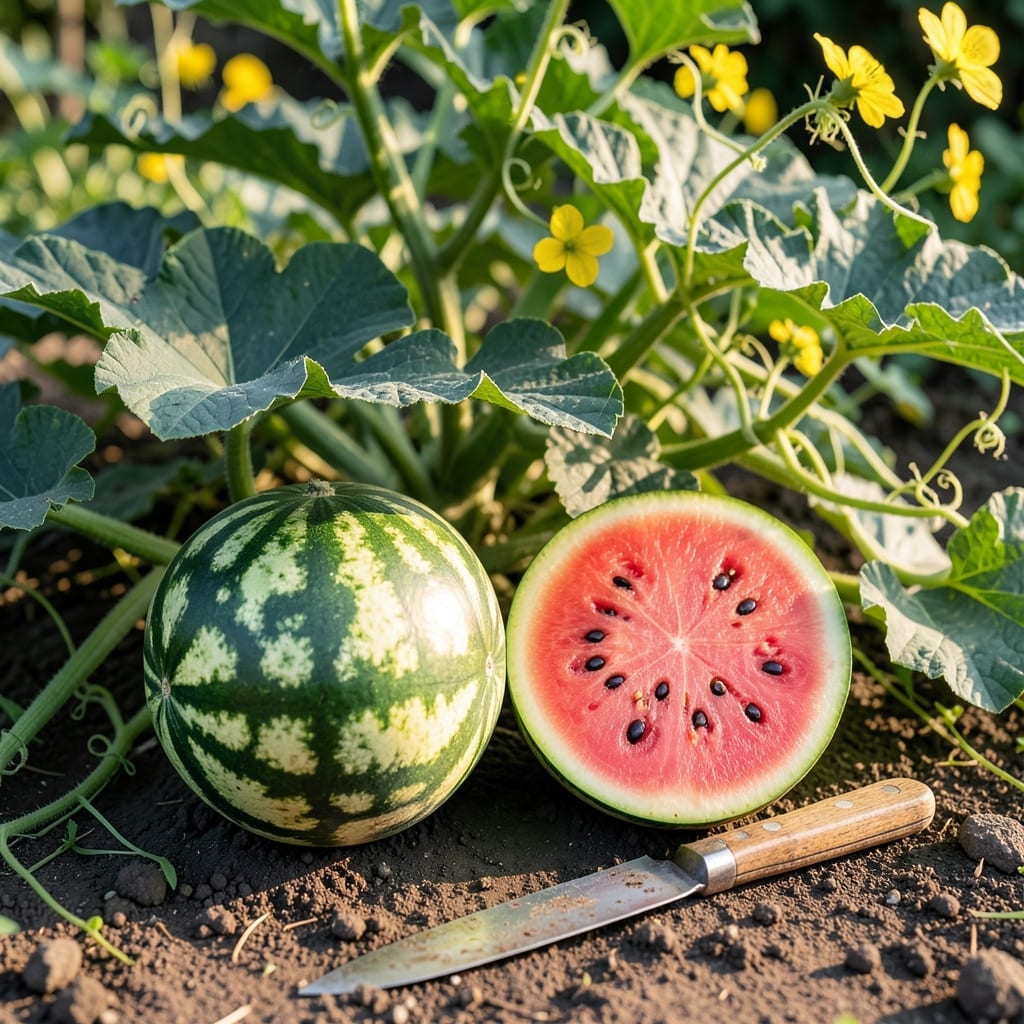
Nothing beats the crisp, sweet crunch of a perfectly ripe 🍉 on a hot summer day. But we’ve all been there—cutting into one only to find it underripe or mushy.
Picking the right Watermelon doesn’t have to be a gamble. There are simple, reliable methods to ensure you bring home the juiciest fruit every time.
I’ll show you how to use the tap test and other proven tricks to identify ripeness with confidence. These techniques work whether you’re at the store or checking your garden harvest.
Discover the secrets to selecting Watermelons that are sweet, firm, and ready to enjoy. Let’s make every bite count this season.

I’ve found the tap test to be the most reliable way to check for a perfectly ripe watermelon. This method relies on the hollow sound a ripe melon makes when tapped. It’s all about the internal structure changing as the fruit matures.
The science behind it is simple: as watermelons ripen, their flesh softens and the seeds loosen, creating air pockets that produce that signature deep, hollow sound. An underripe melon will sound solid and dull, while an overripe one may sound flat.
🌱 Key Takeaway
A ripe watermelon sounds hollow when tapped. A dull sound means it’s not ready, while a flat sound means it’s past its prime.
To perform the test, use the pads of your fingers to tap the side of the melon. Avoid using your knuckles, as this can muffle the sound. I like to tap a few different spots to ensure consistency across the entire fruit.
Listen closely for a deep, resonant tone. If it sounds like you’re tapping a drum, you’ve found a winner. This is especially effective with larger watermelons, where the sound difference is more pronounced.
For smaller melons, the sound may be subtler, so I recommend comparing a few to get a feel for the difference. The tap test works best when combined with other ripeness checks, like examining the field spot or tendril color.
One thing to remember: the tap test isn’t foolproof on its own. Factors like melon variety or growing conditions can affect the sound. That’s why I always use it alongside visual cues for the most accurate results.
If you’re new to the tap test, practice makes perfect. Start by testing melons you’ve already cut open to train your ear. With a little experience, you’ll be able to identify a ripe watermelon with confidence every time.
I’ve also noticed that organic watermelons often have a more pronounced hollow sound than conventionally grown ones. This might be due to differences in water content or fruit density, but either way, the tap test remains a reliable tool.
Finally, don’t be afraid to ask the farmer or grocer when the melons were harvested. A freshly picked watermelon will always give you the best chance of finding that perfectly ripe specimen. ☀️
Beyond the tap test, the tendril method is my go-to for checking watermelon ripeness. Look for the curly tendril nearest the stem—it should be brown and dry when the fruit is ready to harvest.
If you’re unsure, check the field spot, the area where the watermelon rests on the ground. A creamy yellow or orange color indicates ripeness, while white means it’s not ready.
| Indicator | Ripe Sign | Not Ready Sign |
|---|---|---|
| Tendril | Brown & dry | Green & curly |
| Field Spot | Creamy yellow | White or pale |
| Rind Texture | Dull, not shiny | Glossy or bright |
| Stem | Separates easily | Firmly attached |
The rind texture also tells a story. A dull, matte finish means the watermelon is ripe, while a shiny rind signals it needs more time on the vine.
Don’t overlook the weight comparison technique. A ripe watermelon will feel heavy for its size, indicating it’s full of juice. This is especially useful when selecting from a pile at the market.
Combine these visual cues with the tap test for the most reliable results. I’ve found that using multiple methods together eliminates guesswork and ensures I pick a winner every time.
Remember, these tricks work best for vine-ripened watermelons. Store-bought ones may have been harvested early, so check the harvest date or ask the seller when in doubt