
Beautiful Plants For Your Interior
Beautiful Plants For Your Interior
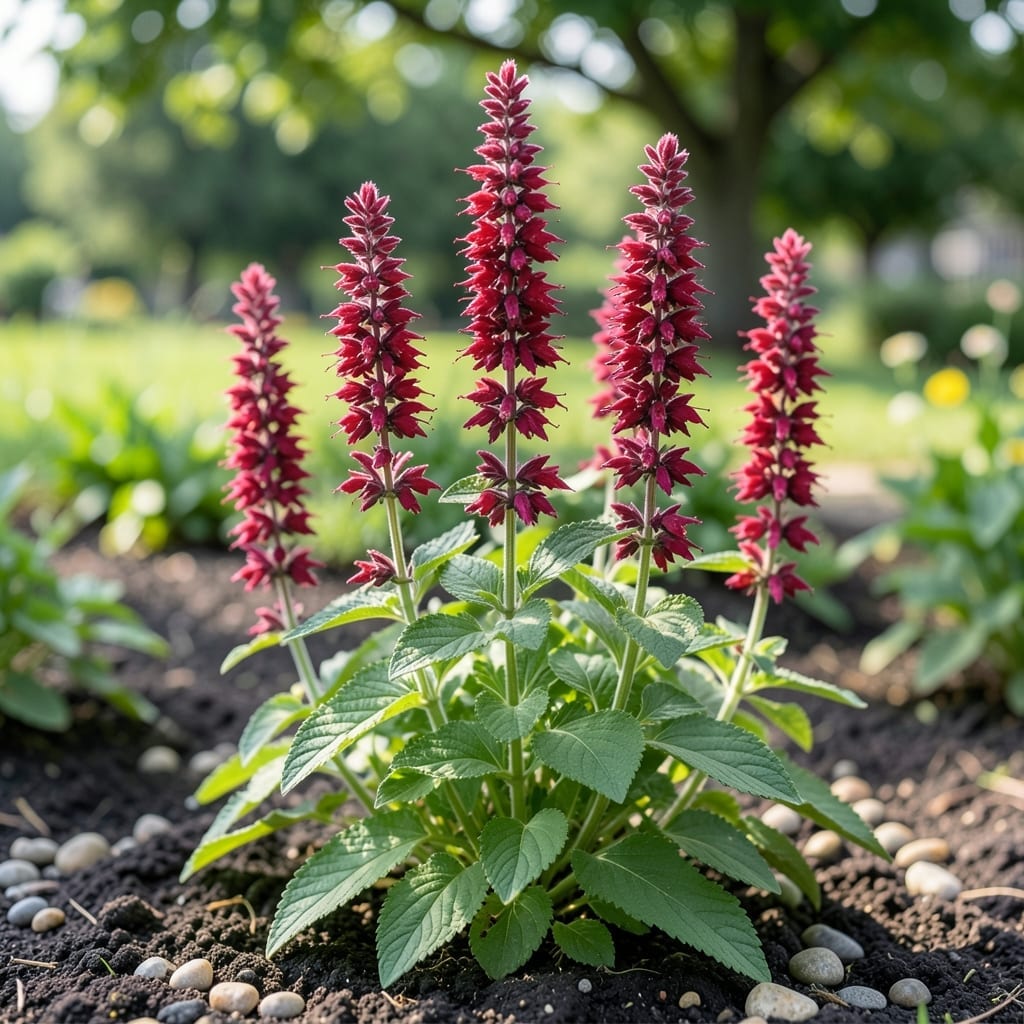
There’s nothing quite like watching a hummingbird dart between blooms, its wings a blur of motion. If you want to bring that magic to your garden, the right flowers can make all the difference.
I’ve spent years testing which perennials keep these tiny visitors coming back. The best ones offer rich nectar and vibrant colors that catch their eye. And the good news? Many are easy to grow.
Take the 🌸 Bee Balm, for example. Its bright, tubular flowers are a hummingbird favorite, and it thrives in zones 4-9. But it’s just one of many options you can plant.
Discover how to create a garden that buzzes with life, season after season. Let’s get started.
If you want to create a hummingbird magnet in your garden, focus on perennial flowers that return every year. These plants save you time and money while providing a steady nectar source for those tiny, iridescent visitors.
I’ve found that bee balm, salvia, and coneflowers are among the top choices. They’re not only beautiful but also low-maintenance and drought-tolerant once established.
| Variety | Sun Needs | Bloom Time | Hummingbird Appeal |
|---|---|---|---|
| Bee Balm | Full sun to partial shade | Early to late summer | High nectar, vibrant colors |
| Salvia | Full sun | Spring to fall | Long bloom season, rich nectar |
| Coneflower | Full sun | Summer to early fall | Hardy, long-lasting blooms |
| Columbine | Partial shade to full sun | Spring to early summer | Unique shape, early nectar |
| Cardinal Flower | Partial shade | Mid to late summer | Bright red, high nectar |
Another favorite of mine is columbine, which thrives in partial shade and blooms early in the season. Its unique, nodding flowers are irresistible to hummingbirds and add a whimsical touch to any garden.
Cardinal flower is a standout with its vibrant red blooms that hummingbirds can’t resist. It prefers moist soil and partial shade, making it perfect for shadier spots in your yard.
For a long-lasting display, consider planting daylilies. These hardy perennials come in a variety of colors and bloom repeatedly throughout the summer months, ensuring a continuous food source.
Don’t overlook penstemon, a lesser-known but highly effective perennial. Its tubular flowers are perfectly shaped for hummingbird beaks, and it thrives in dry, sunny conditions.
To maximize success, I recommend grouping these flowers in clusters. This creates a nectar-rich zone that hummingbirds will visit repeatedly. Planting in sunny spots with some afternoon shade can also help.
Remember, hummingbirds are attracted to bright colors, especially reds, pinks, and purples. Including a variety of shapes and sizes in your garden will ensure you attract a diverse group of these delightful birds.
With the right perennials, your garden can become a hummingbird paradise with minimal effort. These plants not only bring beauty but also support local wildlife, making your outdoor space a true sanctuary 🌿
Creating a garden that hummingbirds adore is all about strategic plant placement and color coordination. I’ve found that grouping brightly colored perennials like salvia and bee balm in clusters draws these tiny birds in droves.
Hummingbirds are naturally attracted to reds, pinks, and purples, so I prioritize these hues. Also, staggered blooming times ensure a steady nectar supply from spring to fall.
I always recommend native plants because they’re adapted to your local climate and require less maintenance. Plus, hummingbirds recognize them as familiar food sources.
For continuous blooms, I interplant early bloomers like bleeding hearts with late-season stars such as goldenrod. This keeps the nectar flowing and the birds returning.
Don’t forget to leave some open space between plants. Hummingbirds need room to hover and dart between flowers without obstruction.
Finally, I suggest adding a perch like a thin branch near your flowers. Hummingbirds use these to rest between feedings, making your garden even more inviting.
With these tips, your garden will become a hummingbird hotspot in no time 🌿