
Beautiful Plants For Your Interior
Beautiful Plants For Your Interior
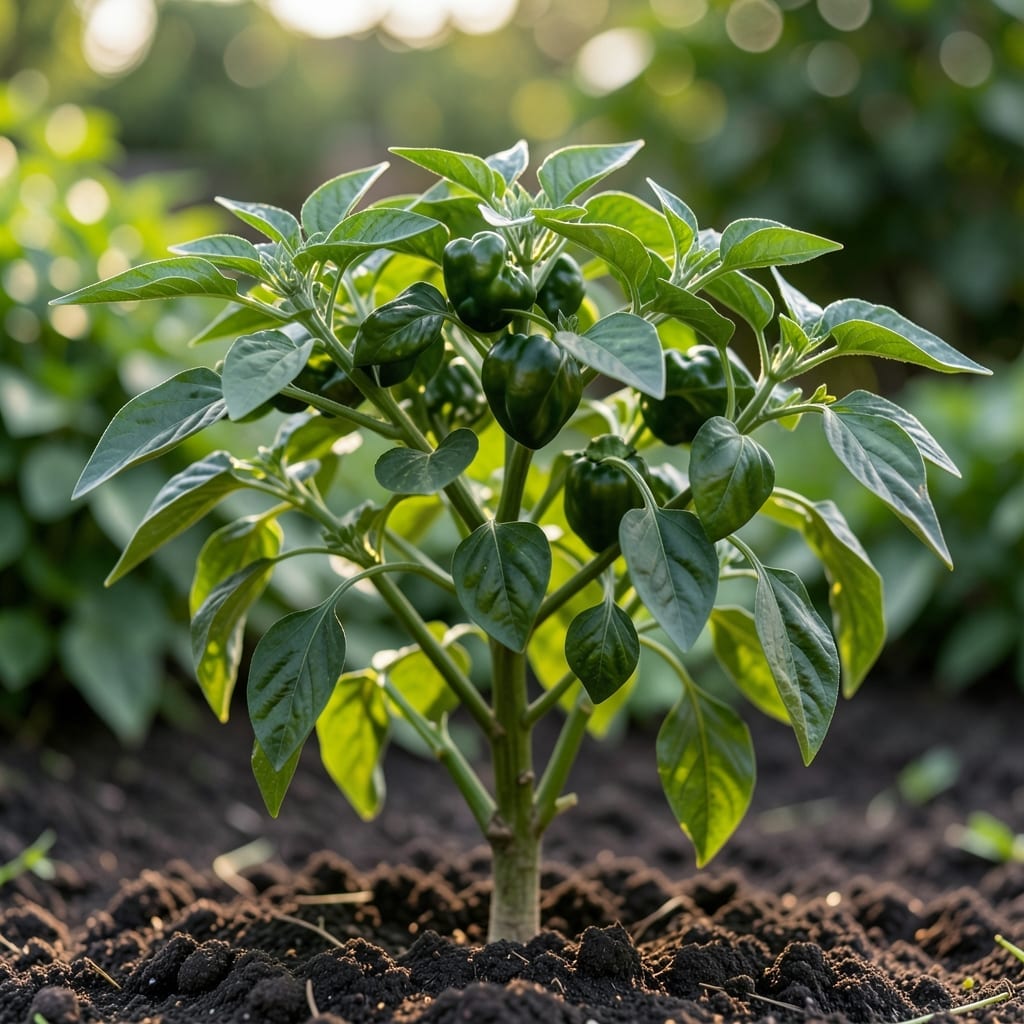
My pepper plants once sat leafy and green with zero flowers in sight. Frustrating doesn’t cover it.
Turns out they were starving for sunlight and the wrong kind of food. Peppers need 6-8 hours of direct light daily, plus a fertilizer switch from nitrogen-heavy to one with higher phosphorus when blooming time hits.
I adjusted both and saw the first buds within 10 days. The difference was shocking—suddenly my plants looked like they knew their purpose.
Small tweaks, big results. Here’s exactly what to check and change to get those blooms going.
Several factors can prevent your pepper plant from flowering, often tied to environmental conditions or care practices. Here are the most common causes:
Peppers are photophilic (light-loving) plants, requiring 6–8 hours of direct sunlight daily to trigger flowering. Inadequate light disrupts the production of florigen, a hormone essential for bloom formation. If grown indoors or in shaded areas, supplement with full-spectrum grow lights (12–16 hours/day).
Inconsistent moisture levels stress the plant, diverting energy from flowering to survival. Overwatering suffocates roots, reducing nutrient uptake, while drought conditions halt metabolic processes. Aim for 1–1.5 inches of water weekly, allowing the top inch of soil to dry between waterings. Use a moisture meter for precision.
Excess nitrogen promotes leafy growth at the expense of flowers, while deficiencies in phosphorus (critical for bloom development) or potassium (which supports overall plant health) can stall flowering. Switch to a low-nitrogen, high-phosphorus fertilizer (e.g., 5-10-10 NPK) once the plant starts setting buds.
Peppers thrive in 70–85°F (21–29°C) daytime temperatures and 60–70°F (15–21°C) at night. Temperatures below 55°F (13°C) or above 90°F (32°C) can cause flower drop or prevent bud formation. Use row covers for cold snaps and shade cloth for heatwaves.
Transplanting peppers outdoors too early (before soil temps reach 60°F/15°C) shocks the plant, delaying flowering. Start seeds indoors 8–10 weeks before the last frost and harden off seedlings gradually to avoid stress.
If your pepper plant isn’t flowering, don’t worry—there are practical fixes to encourage blooms. Below are targeted solutions for common causes, along with tips to keep your plant thriving long-term.
Peppers need 6–8 hours of direct sunlight daily. If your plant is in shade, relocate it to a sunnier spot or supplement with a grow light (12–16 hours/day). For indoor plants, place them near a south-facing window. Prevention tip: Rotate pots weekly to ensure even light distribution and prevent leggy growth.
Inconsistent watering stresses plants. Water when the top inch of soil feels dry, but avoid soggy roots. Use well-draining soil and pots with drainage holes. Prevention tip: Mulch around the base to retain moisture and reduce evaporation. 💡 Pro tip: Water deeply but less frequently to encourage strong root systems.
Too much nitrogen promotes leafy growth at the expense of flowers. Switch to a balanced fertilizer (10-10-10) or a bloom-boosting formula (5-10-10) once flowers appear. Add compost or worm castings for organic nutrients. Prevention tip: Test soil pH (6.0–6.8 is ideal) and amend if needed—peppers dislike acidic or alkaline extremes.
Peppers stall in extreme heat (above 90°F) or cold (below 55°F). Move potted plants indoors or to shade during heatwaves, or use row covers for outdoor plants in cooler weather. Prevention tip: Start seeds indoors early in cooler climates to extend the growing season.
Dense foliage blocks light and airflow. Prune lower leaves and suckers (side shoots) to focus energy on blooms. Space plants 18–24 inches apart for proper air circulation. Prevention tip: Stake tall varieties to avoid shading and breakage.
With these adjustments, your pepper plant should reward you with vibrant blooms—and eventually, a bountiful harvest! ✨
Peppers require 6–8 hours of direct sunlight daily. Insufficient light disrupts hormone production, delaying flowering. Use grow lights for 12–16 hours if natural light is limited.
Switch to a low-nitrogen, high-phosphorus formula like 5-10-10 NPK. Phosphorus promotes bloom development, while excess nitrogen encourages leafy growth instead.
Yes! Overwatering suffocates roots, stressing the plant. Water when the top inch of soil feels dry, and ensure pots have drainage holes.
Extreme temperatures (below 55°F or above 90°F) often cause flower drop. Use shade cloth or row covers to stabilize conditions.