
Beautiful Plants For Your Interior
Beautiful Plants For Your Interior
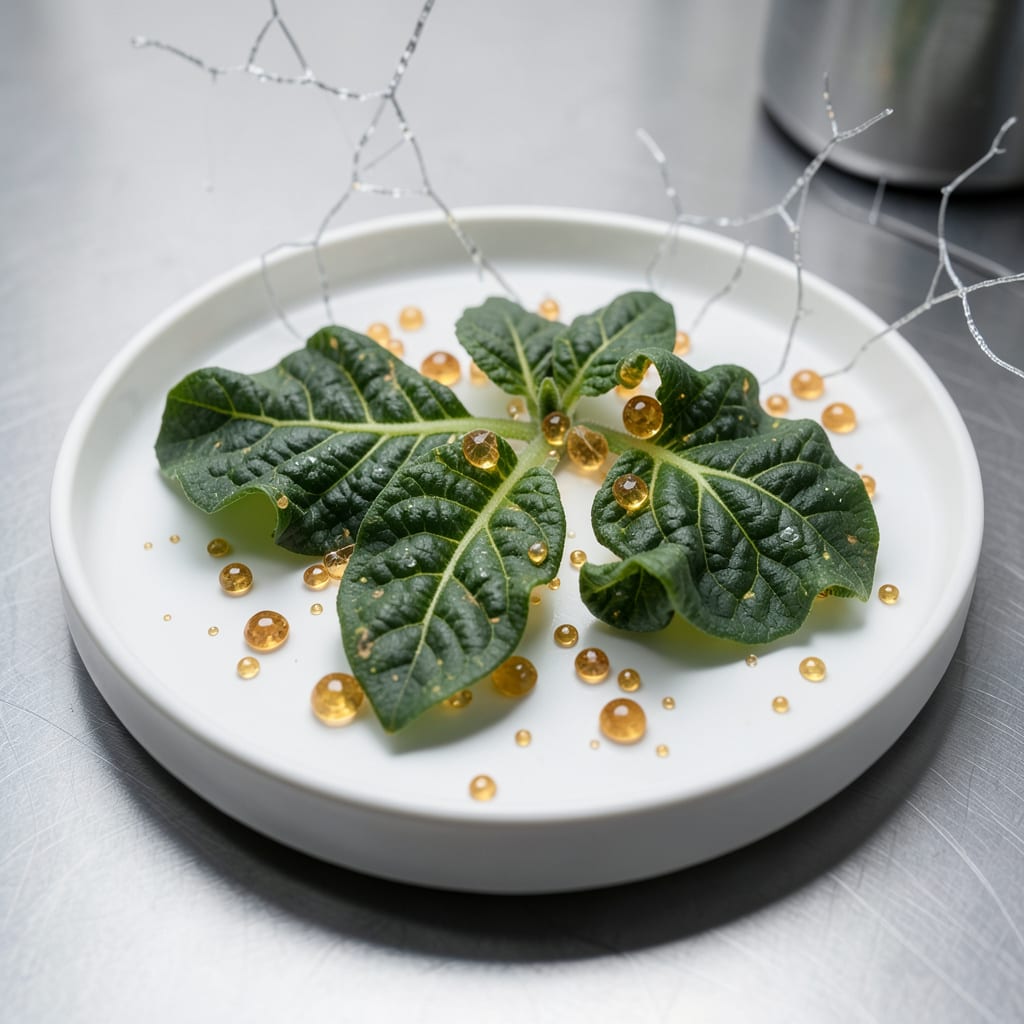
Twisted leaves and stunted growth on your peppers aren’t just disappointing—they might be this virus. I first noticed it on my jalapeños last summer when the leaves curled upward like tiny tacos.
This sneaky problem spreads through whiteflies, so catching it early is key. Look for yellowing, thickened leaves, and plants that refuse to grow. It hits bell peppers hardest, but no variety is completely safe.
The good news? You can fight back with neem oil, row covers, and removing infected plants immediately. Prevention beats cure every time—start with resistant varieties and keep whiteflies away.
Don’t panic if you spot it—this isn’t a death sentence for your garden. With quick action, you can save your harvest and next year’s plants too.
The pepper leaf curl virus doesn’t appear out of thin air—it’s spread by specific environmental and biological factors. Understanding these causes helps you prevent outbreaks and protect your plants. Here’s why it happens:
The primary culprit is the silverleaf whitefly (Bemisia tabaci). These tiny insects feed on infected plants, pick up the virus, and transmit it to healthy peppers during subsequent feedings. The virus replicates inside the whitefly’s body, making them efficient carriers. Even a few whiteflies can spark an epidemic in a garden.
Using contaminated seeds, seedlings, or grafting material introduces the virus directly into your crop. Some pepper varieties may carry the virus asymptomatically, making them silent spreaders. Always source certified disease-free seeds and inspect young plants for early signs like leaf curling or stunted growth.
While not the root cause, heat stress, drought, or poor soil nutrition weaken pepper plants, making them more susceptible to infection. Stressed plants produce fewer defenses, allowing the virus to take hold faster. Maintain consistent watering and balanced fertilization to keep plants resilient.
Human activity can accidentally spread the virus. Tools, hands, or clothing that touch infected plants and then healthy ones may transfer viral particles. Sanitize pruning shears and wear gloves when handling suspicious plants to minimize this risk.
Dealing with pepper leaf curl virus starts with quick action and smart prevention. Below are targeted fixes for each common cause, plus tips to keep your plants thriving.
Fix: Remove and destroy affected plants immediately to prevent the virus from spreading. Do not compost them—burn or bag them to eliminate the risk. Sterilize your tools afterward with rubbing alcohol to avoid cross-contamination.
Prevention: Inspect new plants for curled or yellowing leaves before introducing them to your garden. Quarantine suspicious plants for 1-2 weeks.
Fix: Spray plants with neem oil or insecticidal soap every 5-7 days to disrupt the lifecycle of aphids and whiteflies. For severe infestations, introduce beneficial insects like ladybugs or lacewings.
Prevention: Use reflective mulches or row covers to deter pests. Plant companion crops like marigolds or basil, which naturally repel insects.
Fix: Clean up plant debris and weeds around your garden, as these can harbor the virus. Disinfect pots, stakes, and gardening tools regularly.
Prevention: Rotate crops yearly to break the virus cycle. Avoid planting peppers or other solanaceous crops (like tomatoes) in the same spot consecutively.
Fix: Strengthen plants with a balanced organic fertilizer to boost their resistance. Ensure they receive full sunlight (6-8 hours daily) and consistent watering—avoid overhead irrigation to reduce humidity.
Prevention: Start with disease-resistant pepper varieties like ‘Carmen’ or ‘Ariane’. Maintain healthy soil by adding compost for improved drainage and nutrient content.
Pro Tip 💡: Always wash your hands after handling infected plants to avoid accidentally spreading the virus to healthy ones!
Look for upward-curling leaves that feel thick or leathery. Yellowing between veins and stunted growth are also red flags. Severe cases show distorted leaves and reduced yield.
No, once infected, plants can’t recover. Remove them immediately to protect healthy ones. Burn or bag the plants—never compost them to avoid spreading the virus.
Use reflective mulches and row covers as barriers. Spray neem oil weekly, or introduce ladybugs as natural predators. Companion planting with marigolds helps deter pests.
Yes! Try ‘Carmen’ or ‘Ariane’—both show strong resistance. Always check seed packets for disease-resistant labels before planting.
