
Beautiful Plants For Your Interior
Beautiful Plants For Your Interior
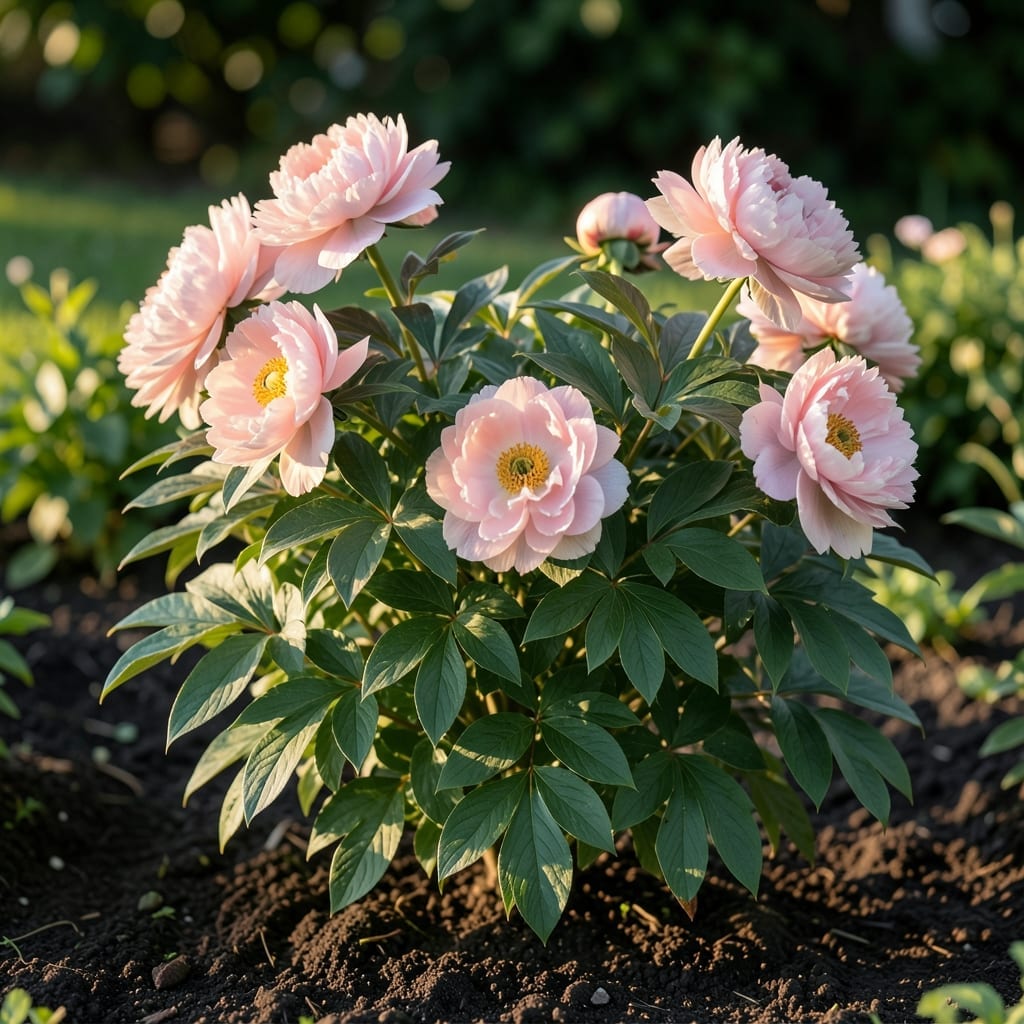
Peonies are the showstoppers of any garden, but without the right sunlight, their legendary blooms can fall flat. I’ve seen too many beautiful 🌸 Peony plants struggle in the wrong light conditions.
Getting the sun exposure right is the key to those vibrant, full blooms we all love. Whether you’re planting in zone 3-8 or just starting out, this guide will help you nail it.
From partial shade to full sun, the ideal setup might surprise you. I’ll break down exactly what Peony needs to thrive and how to spot the signs when it’s not getting enough.
Discover how to transform your garden with these simple sunlight strategies. Let’s make this growing season your most successful yet.

If you want those lush peony blooms every gardener dreams of, sunlight is non-negotiable. I’ve found that most herbaceous peonies thrive with 6-8 hours of direct sun daily. This isn’t just a suggestion—it’s the golden rule for vibrant, abundant flowers. ☀️
Tree peonies are a bit more forgiving and can handle partial shade, especially in hotter climates. But even they need morning sun to fuel those spectacular blooms. The more sunlight they get, the more color intensity and bloom size you’ll see. 🌷
| Peony Type | Sun Requirement | Notes |
|---|---|---|
| Herbaceous | 6-8 hours | Full sun for best blooms |
| Tree | 4-6 hours | Morning sun, afternoon shade |
| Intersectional | 6+ hours | Full sun to partial shade |
In my experience, morning sunlight is the most beneficial. It’s less harsh than the afternoon rays, which can scorch petals in warmer zones. If you’re in USDA zones 7-8, consider giving your peonies some afternoon shade to prevent heat stress. ✂️
Don’t overlook the impact of sunlight on stem strength. Peonies grown in full sun develop sturdy stems that can support those heavy, dinner-plate-sized blooms without flopping over. Weak stems are often a sign of insufficient light.
Color depth is another benefit of proper sun exposure. I’ve noticed that peonies in full sun produce richer, more vibrant hues. Pink peonies appear more vivid, and white varieties gleam brighter under direct sunlight.
For gardeners with limited sun, don’t lose hope. Some peony varieties, like ‘High Noon’ or ‘Coral Charm’, can tolerate partial shade. Just expect fewer blooms and potentially smaller flowers.
If you’re planting in containers, sun exposure becomes even more critical. Peonies in pots need full sun to compensate for limited root space. I recommend placing containers on south-facing patios or balconies.
Remember that seasonal changes affect sunlight patterns. In early spring, your garden might get more sun than in late summer when trees are in full leaf. Observe your space throughout the year to ensure consistent exposure. 🌿
Finally, if you’re moving peonies to a sunnier spot, do it in early fall. This gives them time to establish roots before the next growing season. Transplanting in spring can disrupt their bloom cycle.
If your peonies look lackluster, sunlight deprivation might be the culprit. I’ve seen weak stems and sparse blooms firsthand when these plants don’t get their 6-8 hours of daily sun. They’re sun-worshippers by nature! 🌻
Watch for pale foliage or smaller flowers—classic red flags. In my garden, peonies in shady spots often produce fewer buds and stunted growth. Even late-day shade can limit their potential.
⚠️ Sunlight Alert
Peonies in deep shade may fail to bloom. Aim for morning sun at minimum, or relocate to a sunnier spot for vibrant, healthy growth.
Another telltale sign is leaning stems stretching toward light. I’ve moved container-grown peonies to sunnier patios with great success. Even dappled shade from trees can reduce bloom quality.
For herbaceous peonies, full sun is non-negotiable. Tree peonies tolerate light shade but still need 4-6 hours of sun. I’ve found east-facing beds work well for morning light lovers. ☀️
Don’t overlook soil moisture in shady areas—peonies hate soggy roots. I use raised beds to improve drainage where sunlight is limited. It’s a game-changer for struggling plants.
If relocation isn’t possible, try reflective mulches or prune nearby trees to maximize light. In my experience, even small adjustments can boost bloom production significantly. 🌷