
Beautiful Plants For Your Interior
Beautiful Plants For Your Interior
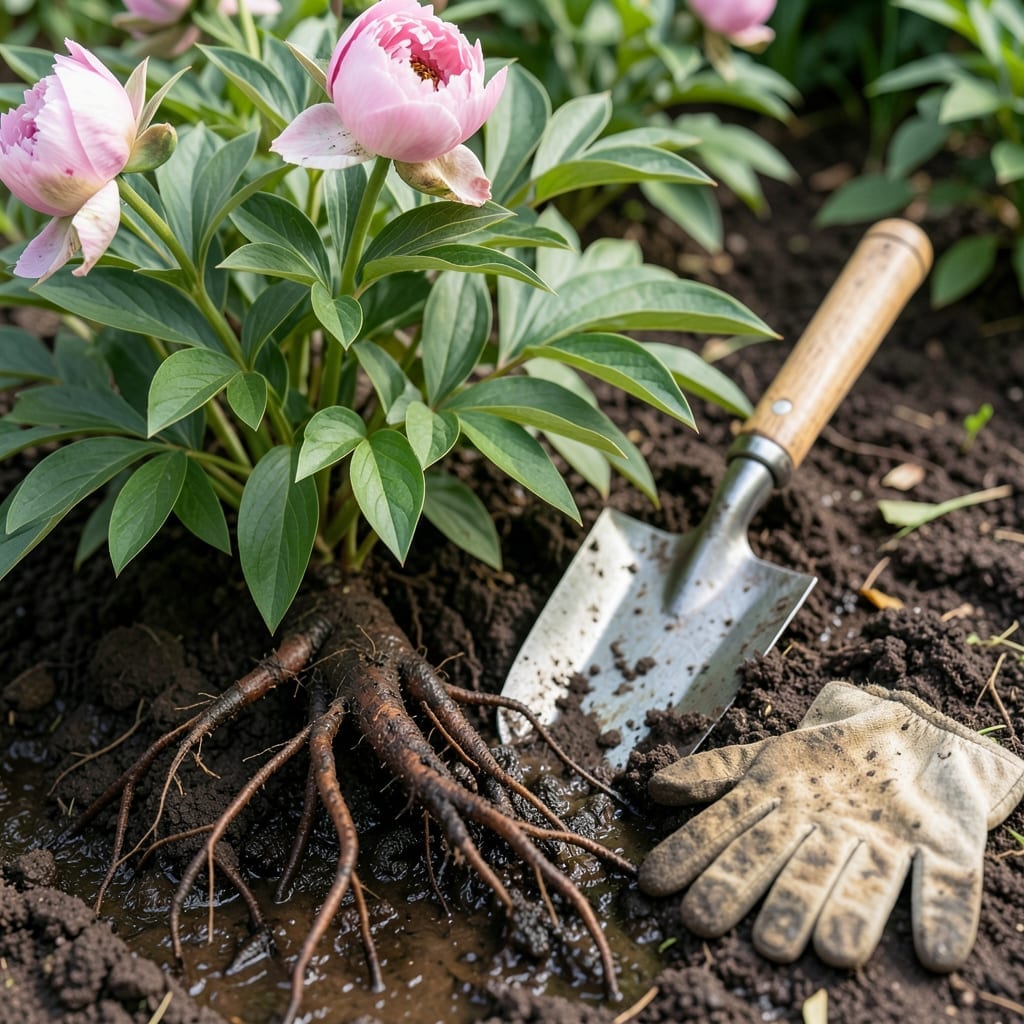
Blackened stems and wilting leaves in your peony patch are heartbreaking. I’ve lost entire plants to root rot before learning to spot the early warning signs—soft, mushy roots and stunted new growth that just won’t bounce back.
Peonies hate wet feet. Heavy soil and poor drainage create the perfect conditions for root rot to take hold. The fix starts with improving airflow and water movement around the roots before the problem spreads to the crown.
With a few simple adjustments—raising the bed, amending the soil, and adjusting watering habits—you can nurse affected plants back to health. Most recover fully within one growing season with the right care.
Prevention is easier than cure. Once you know what to look for, you’ll catch issues early and keep your peonies thriving for decades.
Peony root rot doesn’t appear out of nowhere—it’s usually the result of specific environmental and cultural conditions. Understanding these triggers helps you prevent the problem before it starts.
The most common cause is overwatering or waterlogged soil. Peonies thrive in well-draining soil, and when their roots sit in saturated conditions, Phytophthora and Pythium fungi flourish. These pathogens attack the roots, leading to rot. Heavy clay soils or low-lying garden spots are especially risky.
Soil-borne fungi like Phytophthora cactorum and Fusarium are primary culprits. They enter through wounds or stressed root systems, particularly in warm, wet conditions. Infected soil, contaminated tools, or even nearby diseased plants can spread these pathogens to healthy peonies.
Planting peonies too closely reduces airflow and traps moisture around the base, creating an ideal environment for rot. Additionally, weak or stressed plants—due to poor nutrition, improper planting depth, or physical damage—are more susceptible to infection.
Tackling peony root rot starts with identifying the cause and applying the right fix. Here’s how to address common triggers and keep your plants healthy:
Fix: If your peonies are sitting in soggy soil, stop watering immediately. Dig up the plant, trim any blackened or mushy roots with sterilized shears, and replant in well-draining soil. Add compost or sand to improve drainage if needed.
Prevention: Water only when the top 1-2 inches of soil are dry. Use raised beds or containers for better control. 💡 Pro tip: Mulch with bark or straw to retain moisture without waterlogging.
Fix: Remove infected roots andfoliage to prevent spread. Treat the remaining roots with a copper-based fungicide or a natural alternative like neem oil. Replant in fresh, sterile soil.
Prevention: Space plants 3-4 feet apart for airflow. Avoid overhead watering to keep foliage dry. ✨ Pro tip: Rotate planting locations every few years to disrupt fungal cycles.
Fix: Loosen the soil around the roots with a garden fork, then mix in organic matter like peat moss or aged manure to improve aeration. If the soil is clay-heavy, consider amending a larger area or relocating the plant.
Prevention: Test soil before planting—peonies thrive in loamy, slightly acidic soil (pH 6.5-7.0). 🎯 Pro tip: Add perlite or vermiculite to potting mixes for container-grown peonies.
Fix: If root rot follows a heatwave or cold snap, move potted peonies to a stable environment (e.g., shade during heat, insulation during frost). For in-ground plants, apply a 2-3 inch layer of mulch to regulate soil temperature.
Prevention: Plant in a location with partial shade in hot climates. Avoid plastic mulches, which trap heat. 🌡️ Pro tip: Use a soil thermometer to monitor conditions—ideal root zone temp is 60-75°F.
Look for blackened, mushy roots and wilting stems that don’t recover. Early signs include stunted growth and yellowing leaves. Dig carefully to inspect roots—healthy ones are firm and white.
Yes, if caught early. Trim affected roots with sterilized shears, treat with fungicide, and replant in fresh, well-draining soil. Most recover within one season with proper care.
Use loamy, slightly acidic soil (pH 6.5-7.0) with good drainage. Amend heavy clay with compost or sand. Raised beds work well in wet climates.
Only when the top 1-2 inches of soil are dry. Overwatering is a common cause of rot. Mulch helps retain moisture without waterlogging.