
Beautiful Plants For Your Interior
Beautiful Plants For Your Interior
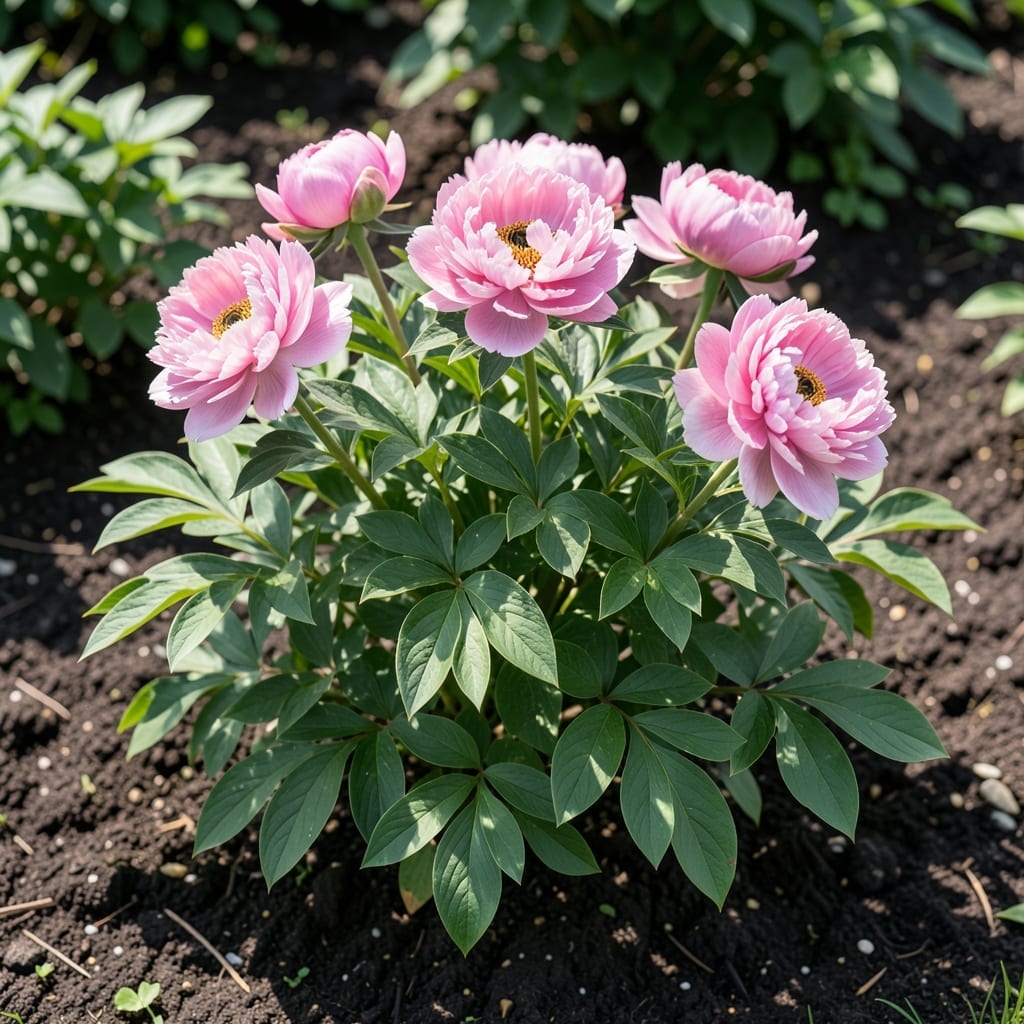
Peonies are the crown jewels of any garden, but their spectacular blooms only appear when you get their growing conditions just right. The 🌸 Peony thrives when given the perfect balance of nature’s elements.
I’ve learned that these stunning flowers aren’t just about planting and hoping for the best. They demand specific care to truly shine in zones 3-8.
Discover how to create the ideal environment that will make your peonies the envy of the neighborhood. Let’s unlock their full potential together.
Peonies are sun worshippers that need the right light to thrive. I’ve found that most varieties require 6-8 hours of direct sunlight daily for spectacular blooms. Without enough sun, you’ll get fewer flowers and weaker stems.
For herbaceous peonies, full sun is ideal, while tree peonies can tolerate partial shade. The key is providing consistent light exposure throughout their growing season.
| Requirement | Specification |
|---|---|
| Sunlight | 6-8 hours daily |
| Herbaceous Varieties | Full sun preferred |
| Tree Varieties | Partial shade tolerated |
| Temperature Range | 65-75°F optimal |
| Hardiness Zones | 3-8 USDA |
The temperature sweet spot for peonies is between 65-75°F during their growing season. They can handle brief cold snaps, but late frosts can damage new growth. I always watch the weather in early spring.
In hotter climates, afternoon shade helps prevent heat stress. In cooler areas, ensure they’re in the sunniest spot possible. The right balance means bigger blooms and longer vase life when cut.
Seasonal care matters too. In spring, as new shoots emerge, I make sure they’re not shaded by overhanging trees. During summer, consistent watering helps them handle the heat.
For fall planting, I aim for September-October in most zones. This gives roots time to establish before winter. In colder zones, mulching protects the crown from freeze-thaw cycles.
Remember, tree peonies are more cold-hardy than herbaceous types. They can handle temperatures down to -20°F once established. But all peonies need that winter chill to set buds for next year.
If your peonies aren’t blooming, check their light exposure first. I’ve solved many blooming issues simply by moving plants to sunnier spots. The difference can be dramatic.
Finally, morning sun is particularly valuable as it helps dry dew from leaves, reducing disease risk. This simple factor can make a big difference in plant health.
With the right sunlight and temperature, your peonies will reward you with years of stunning blooms 🌸
Peonies thrive in well-draining soil that’s rich in organic matter. I’ve found that loamy soil works best, as it holds moisture without waterlogging. Heavy clay or sandy soils often need amending for optimal growth.
The ideal pH range for peonies is slightly acidic to neutral, between 6.5-7.0. Testing your soil before planting helps you make necessary adjustments. I always add compost to improve both texture and fertility.
If your soil is too acidic, lime can help raise the pH. For alkaline soil, sulfur or peat moss can lower it. I recommend testing every 2-3 years to maintain the right balance.
Organic matter is key for peony success. I mix in aged compost or well-rotted manure at planting time. This provides essential nutrients and improves soil structure for better root development.
For poor drainage, consider raised beds or amending with coarse sand. Peonies hate wet feet, so ensuring water moves through the soil prevents root rot and other issues.
Remember, soil preparation is a one-time investment that pays off for years. With the right foundation, your peonies will establish quickly and reward you with luxurious blooms season after season 🌸