
Beautiful Plants For Your Interior
Beautiful Plants For Your Interior
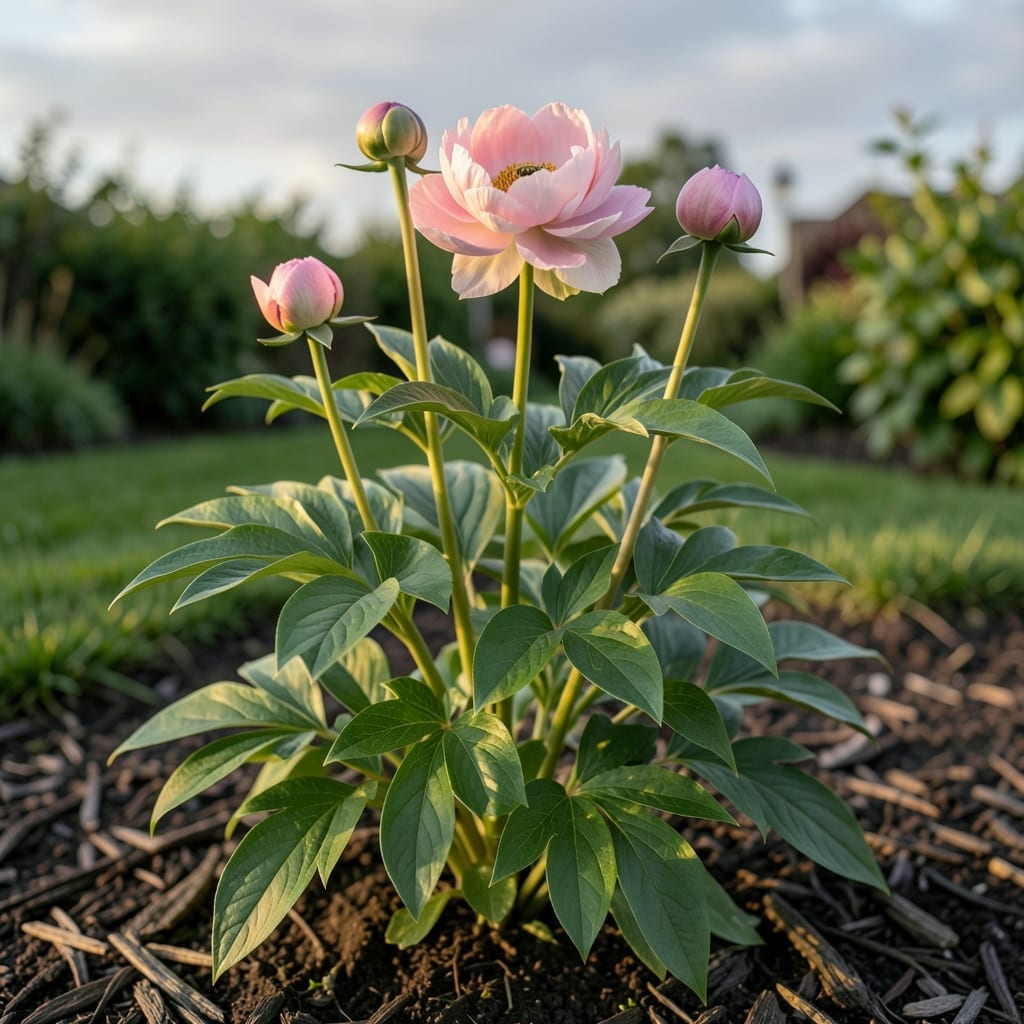
Peony leaves are the unsung heroes of those stunning blooms. I learned the hard way that neglecting them means weaker plants and fewer flowers next season.
Healthy foliage stores energy for next year’s display. Keep an eye out for dark spots or powdery mildew—early action saves the whole plant. Simple care now means lush green growth all summer long.
📚 In This Guide
Here’s what I’ve learned through trial and error to keep foliage thriving all season.
Sunlight Strategy: The 6-8 hours of direct sunlight mentioned in Step 1 is non-negotiable for vibrant foliage. In my experience, morning sun is gentler on leaves than harsh afternoon rays, which can cause scorch. Position plants where they get bright light early in the day for the best results.
Watering Wisdom: For Step 2, watering once or twice weekly with a deep soak at the base prevents both over and under-watering. Check the top 1-2 inches of soil with your finger—if it feels dry like a wrung-out sponge, it’s time to water. Always do this in the morning so foliage has time to dry before evening.
Fertilizer Finesse: In Step 3, the 1 cup of 10-10-10 fertilizer per mature plant is the sweet spot. Apply it in early spring and again after flowering, but never after mid-summer. Too much nitrogen later in the season will give you weak, disease-prone leaves instead of strong, healthy growth.
Disease Prevention: Step 5 highlights that spacing plants 3-4 feet apart is crucial for air circulation. I also recommend thinning crowded stems early in the season to prevent humidity buildup, which is when black spots and powdery mildew tend to appear.
Yellowing leaves often signal overwatering, poor drainage, or nutrient deficiencies. Check soil moisture and ensure good drainage. A balanced fertilizer can help restore vibrant foliage.
Peony leaves typically sprout in early to mid-spring, depending on your climate. Warmer regions may see growth earlier, while cooler areas might take a few extra weeks.
Yes! Peony leaves add lush greenery to bouquets. Harvest them when fresh and vibrant, but avoid removing too many to keep the plant healthy.
Black spots are often fungal. Remove affected leaves, improve air circulation, and apply a fungicide if needed. Avoid overhead watering to prevent future issues.
If your peony foliage struggles, consider hardy alternatives like hostas or ferns for similar lush greenery in your garden.