
Beautiful Plants For Your Interior
Beautiful Plants For Your Interior
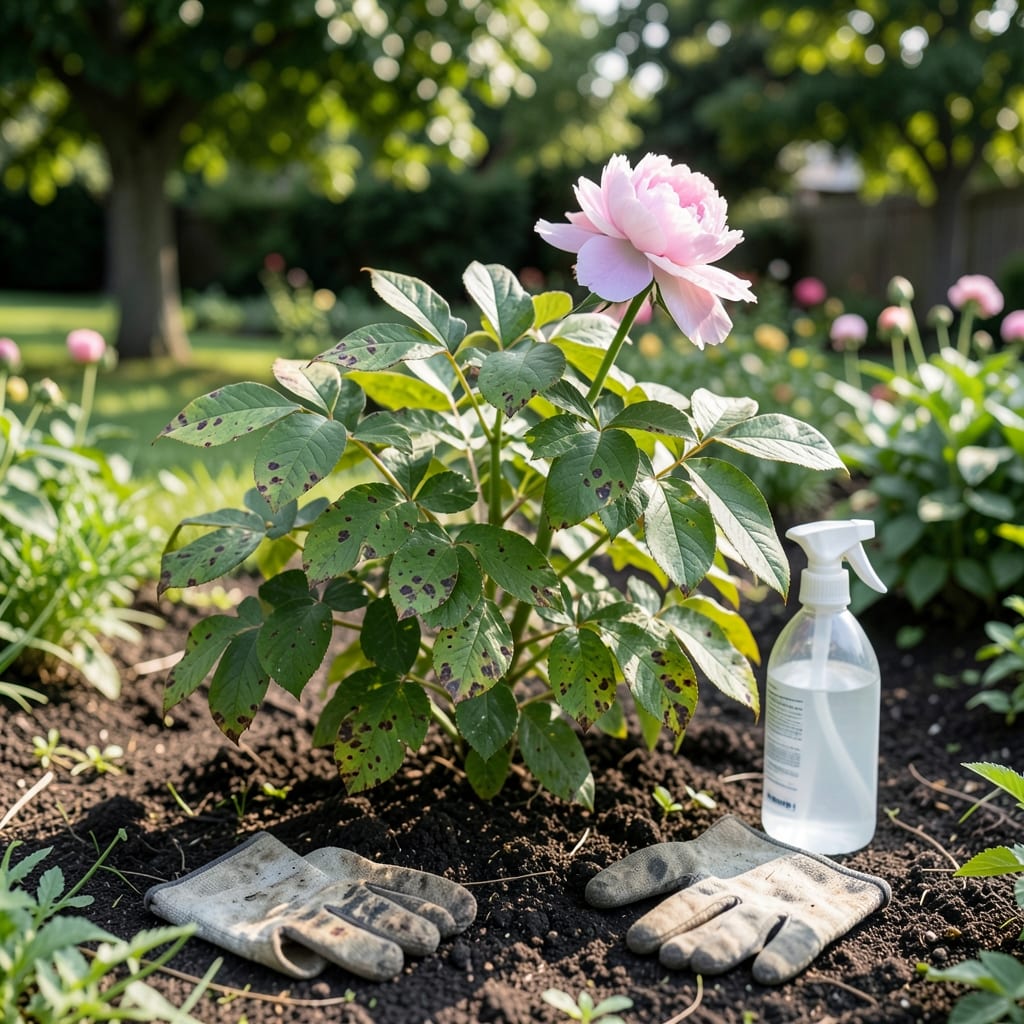
Watching peony buds blacken overnight nearly broke my gardener’s heart. Blight hits hard, turning healthy plants into a sad, spotty mess before you can say “spring bloom.”
Here’s the thing—it’s not just one enemy. Different blights show up as brown spots, wilting stems, or powdery coats, but they all scream “fix me now.” I’ve fought this battle with both organic sprays and old-school remedies.
With the right approach, your peonies bounce back stronger. The key is catching it early and staying consistent. 3 weeks of treatment usually does the trick.
Works for all peony types, from heritage varieties to modern hybrids. Let’s save those blooms.
Peony blight, also known as Botrytis paeoniae, thrives under specific environmental and cultural conditions. Understanding these triggers is the first step toward prevention and effective treatment. Below are the primary causes of this common fungal disease.
Fungal spores multiply rapidly in damp environments. Overhead watering, poor drainage, or prolonged rain can create the perfect breeding ground for Botrytis. Wet foliage, especially when temperatures are mild (60–75°F), accelerates spore germination and infection. Action: Water at the base of plants and ensure good air circulation.
Dead leaves, stems, and spent blooms left on the soil surface harbor fungal spores over winter. These spores reactivate in spring, infecting new growth. Action: Remove and destroy all plant debris in fall to eliminate overwintering sites.
Peonies planted too closely together restrict airflow, trapping moisture and creating a humid microclimate. This stagnant air promotes fungal growth. Action: Space plants at least 3–4 feet apart to improve ventilation.
Cool, wet springs followed by warm, humid weather create ideal conditions for blight. The fungus thrives in temperatures between 60–75°F with high humidity. Action: Monitor weather forecasts and apply preventive fungicides during high-risk periods.
Peony blight can be frustrating, but with the right approach, you can restore your plants to health. Below are targeted solutions based on common causes, along with prevention tips to keep your peonies thriving.
If your peonies are packed too tightly, moisture lingers, encouraging blight. Fix: Thin out crowded stems to improve airflow. Space plants at least 3–4 feet apart. Prune any dense foliage at the center to let light and air reach the inner leaves.
Prevention tip: 💡 Plant peonies in well-ventilated spots from the start and avoid over-fertilizing, which can lead to excessive, dense growth.
Wet conditions are a breeding ground for fungal blight. Fix: Amend heavy or clay soil with compost to enhance drainage. If planted in a low spot, consider relocating peonies to a raised bed. Water at the base in the morning to allow foliage to dry quickly.
Prevention tip: 🌡️ Use drip irrigation instead of overhead watering to keep leaves dry.
Fungal spores overwinter in dead leaves and stems. Fix: Remove all infected plant material immediately and dispose of it in the trash (not compost). In late fall, cut back peonies to the ground and clean up all debris around the base.
Prevention tip: ✨ Sterilize pruning tools with rubbing alcohol between cuts to avoid spreading spores.
Stressed peonies are more susceptible to blight. Fix: Strengthen plants with a balanced fertilizer in early spring. Apply a layer of mulch to retain moisture and regulate soil temperature, but keep it away from the crown to prevent rot.
Prevention tip: 🎯 Choose blight-resistant peony varieties like ‘Sarah Bernhardt’ or ‘Duchesse de Nemours’ for future plantings.
You’ll typically see improvement within 7-10 days of consistent treatment. Remove infected parts immediately, and stick to the routine for best results.
Yes! A baking soda solution (1 tablespoon per gallon of water) or neem oil works well. Reapply after rain for full protection.
It can if spores remain in the soil. Always clean up all debris in fall and avoid composting infected material.