
Beautiful Plants For Your Interior
Beautiful Plants For Your Interior
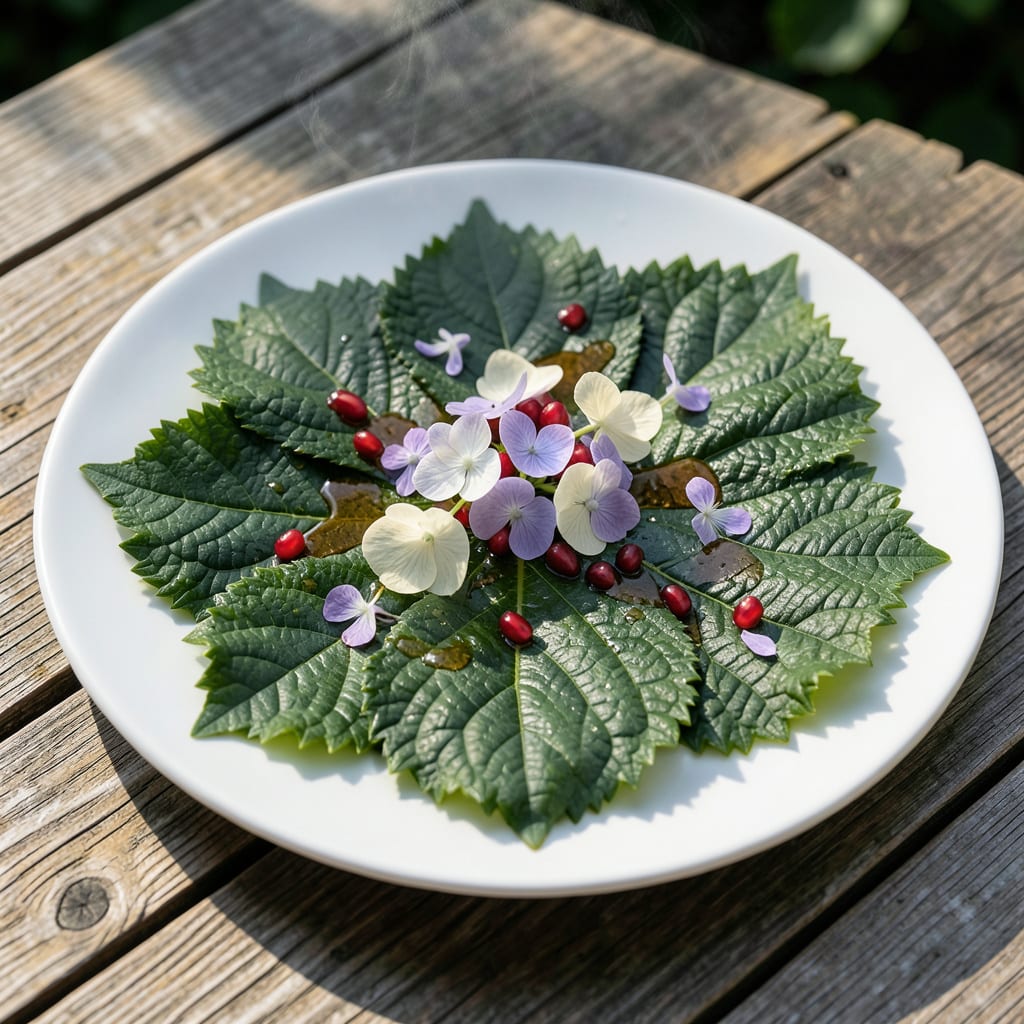
Those big, glossy pee gee hydrangea leaves can hide trouble. I learned the hard way that yellowing, spotting, or wilting isn’t just unsightly—it’s the plant’s way of asking for help.
Whether it’s toxic exposure, pests, or just thirsty roots, the fix starts with knowing what healthy leaves look like. Here’s how to spot the warning signs before they spread.
📚 In This Guide
Follow these precautions to handle pee gee hydrangea leaves safely in your garden.
Pee gee hydrangea leaves contain hydrangin, a glycoside that can cause gastrointestinal distress if ingested. In humans, symptoms typically appear within 1-2 hours and include nausea, vomiting, and diarrhea. The leaves also contain cyanogenic glycosides, which can release cyanide in large quantities—though poisoning is rare, it’s critical to prevent exposure.
In pets, particularly dogs and cats, ingestion may lead to more severe reactions such as lethargy, increased heart rate, or difficulty breathing. Always monitor animals around these plants, as even small amounts can trigger a reaction. The highest concentration of toxins is in fresh leaves, but dried leaves retain some potency as well.
Before pruning or handling pee gee hydrangea, put on long sleeves, gardening gloves, and safety glasses. This protects your skin from sap, which can cause irritation or allergic reactions in sensitive individuals. The sap may also carry trace amounts of the plant’s toxins, so avoiding direct contact is wise.
If you’re cutting back the plant, use clean, sharp pruners to minimize sap exposure. After handling, wash your hands thoroughly with soap and water, even if you wore gloves. This step removes any residual sap or plant debris that could accidentally be transferred to your mouth or eyes.
Never compost pee gee hydrangea leaves or clippings, as the toxins can persist and contaminate the compost pile. Instead, collect all plant material in a sturdy trash bag and dispose of it with your household waste. If burning is allowed in your area, this is another option, but ensure the smoke does not drift toward people or animals, as inhaling it may cause respiratory irritation.
If you’re removing large quantities of leaves or branches, consider wearing a dust mask to avoid inhaling fine particles. Store the bagged material in a secure location, out of reach of children and pets, until it can be properly discarded.
Place pee gee hydrangeas in areas of your garden that are inaccessible to small children and pets. Avoid planting them near play areas, walkways, or pet runs. If you have curious pets or young children, consider installing a small barrier or fence around the plants as an extra precaution.
Educate family members about the potential risks of this plant. Teach children never to put leaves, flowers, or seeds in their mouths, and supervise them closely when they’re outdoors. For pets, provide plenty of safe, chew-friendly alternatives to discourage them from investigating the hydrangea.
After handling or being near pee gee hydrangea, watch for any signs of adverse reactions in yourself or others. In humans, mild skin irritation or a rash may develop if sap comes into contact with skin. If ingestion occurs, do not induce vomiting—seek medical attention immediately and bring a sample of the plant for identification.
For pets, contact your veterinarian or an animal poison control center if you suspect they’ve ingested any part of the plant. Have the plant’s scientific name, Hydrangea paniculata ‘Grandiflora’, ready for quick reference. Early intervention can prevent serious complications.
Handling these plants safely requires attention to detail and proper precautions.
Toxin Timing: Symptoms in humans typically appear within that critical 1-2 hour window after exposure. I’ve found that the faster you recognize these signs—nausea, vomiting, or diarrhea—the quicker you can respond effectively.
Protective Gear Priority: Don’t underestimate the importance of full coverage. Those long sleeves, gardening gloves, and safety glasses from Step 2 create a barrier against sap that could otherwise cause skin irritation or worse.
Disposal Diligence: The rule about never composting these leaves isn’t just caution—it’s critical. The toxins persist, and you don’t want to accidentally contaminate soil that might be used for edible plants later.
Reaction Monitoring: After handling, pay special attention to both yourself and any pets for at least 24 hours. That increased heart rate in animals mentioned in Step 1 can escalate quickly if not caught early.
Yes, Pee Gee hydrangea leaves contain cyanogenic glycosides, which can be toxic to pets if ingested in large quantities. Keep them away from cats and dogs to avoid vomiting, diarrhea, or more severe reactions.
Pee Gee hydrangea leaves typically change color in the fall, transitioning to shades of red, purple, or bronze. This change is triggered by cooler temperatures and shorter daylight hours.
It’s best to avoid composting Pee Gee hydrangea leaves due to their toxicity. Instead, dispose of them in yard waste bags or designated green waste bins to prevent accidental ingestion by animals.
Brown leaves may indicate underwatering, overwatering, or fungal diseases like leaf spot. Check soil moisture, improve drainage, and remove affected leaves to prevent further spread.
Yes! Consider planting non-toxic shrubs like viburnum, dogwood, or serviceberry. These offer similar beauty without the risk of toxicity to pets and children.
