
Beautiful Plants For Your Interior
Beautiful Plants For Your Interior
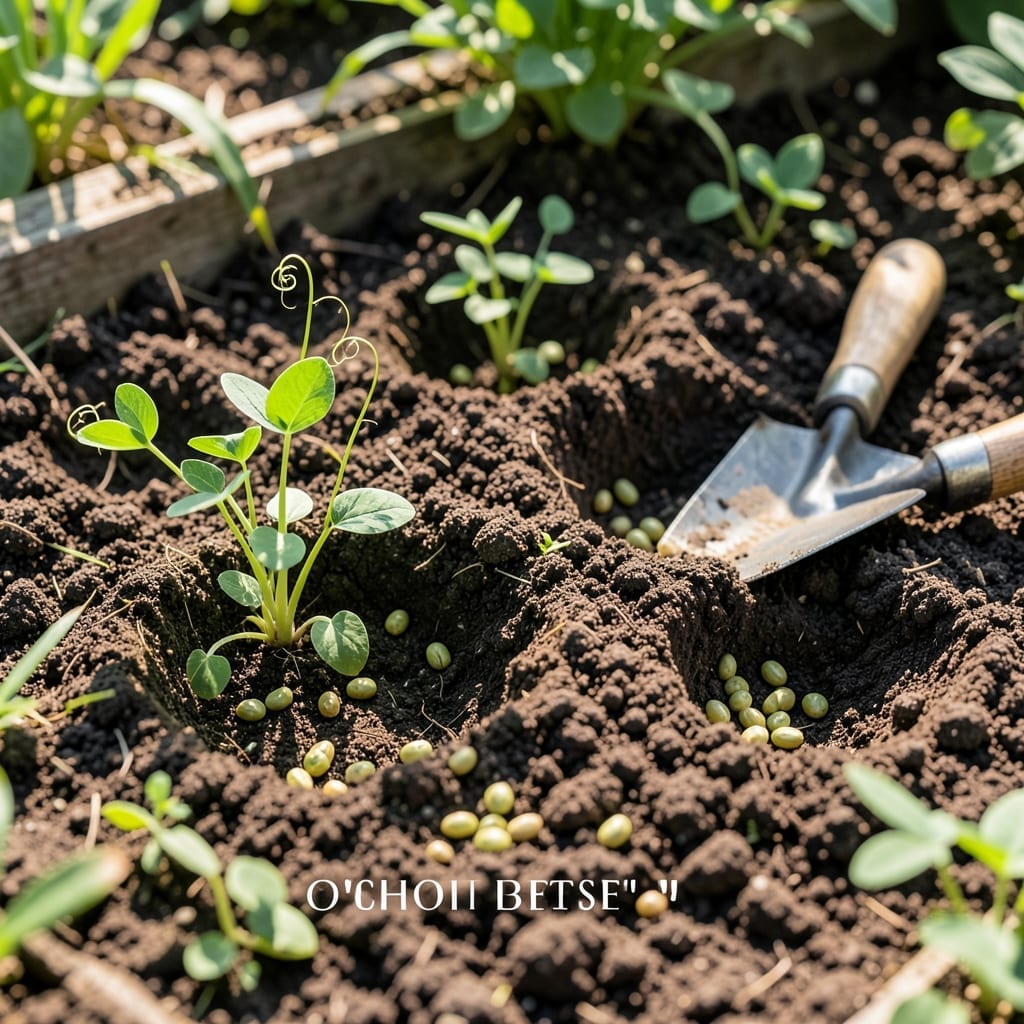
Watching your first pea shoots emerge from the soil is one of gardening’s most satisfying moments. But how long does it actually take for 🌱 Peas to sprout?
Germination time can vary, but most gardeners see those first green tendrils within 7-14 days under ideal conditions. The wait feels even longer when you’re eager to get your spring garden started.
I’ve learned that soil temperature and moisture play the biggest roles in speeding up or slowing down this process. Too cold or too dry, and your peas might take their sweet time.
Let me walk you through what to expect and how to create the perfect environment for faster, more reliable germination of your 🌱 Peas.
If you’re eager to see those first pea shoots break through the soil, you’re not alone. Most pea varieties sprout within 7 to 14 days under ideal conditions, though this can vary.
Sugar snap peas and snow peas often germinate faster, sometimes in as little as 5 to 7 days, while shelling peas may take up to 10 to 14 days. The key is consistency in moisture and temperature. 🌱
| Pea Variety | Germination Time | Ideal Temp Range |
|---|---|---|
| Sugar Snap | 5-7 days | 60-75°F |
| Snow Peas | 6-8 days | 55-70°F |
| Shelling Peas | 10-14 days | 50-65°F |
For the fastest germination, keep your soil temperature between 60-75°F. Cooler soils slow the process, sometimes doubling the time. I’ve found that pre-soaking seeds overnight can shave off 1-2 days of waiting.
Moisture is another critical factor. Pea seeds need consistent dampness but not waterlogging. If the soil dries out, germination stalls. I use a spray bottle to keep the top inch lightly moist without disturbing the seeds.
Planting depth matters too. Aim for 1 to 1.5 inches deep. Too shallow, and the seeds dry out; too deep, and they struggle to push through. A good rule of thumb is twice the seed’s width for depth.
If you’re planting in early spring, consider using black plastic mulch to warm the soil. This can speed up germination by 3-5 days in cooler climates. I’ve seen this work wonders in my own garden.
Don’t forget about seed age. Older seeds take longer to sprout. For best results, use fresh seeds (less than 2 years old). If you’re unsure, do a float test—viable seeds sink in water.
Once the seedlings emerge, they’ll need bright light to prevent legginess. A south-facing window or grow lights work well if natural light is limited. Thin seedlings to 2-3 inches apart to avoid overcrowding.
Finally, be patient. Even under perfect conditions, some seeds may take a bit longer. But when you see those first green tendrils reaching for the sun, it’s all worth it. Happy planting! 🌿
If you’re wondering why your peas germination time varies, it’s likely due to environmental conditions. The most critical factor is soil temperature—peas sprout fastest when soil is between 40-75°F. Cooler soils slow germination, while warmer temps speed it up.
Another big influence is moisture levels. Pea seeds need consistent dampness to break dormancy, but soggy soil can cause rot. I always check that my planting depth is just 1-2 inches for best results.
I’ve found that seed age makes a surprising difference. Older seeds take longer to germinate and may have lower viability. Always check the pack date when buying pea seeds for your garden.
Sunlight exposure plays a role too, though it’s less critical during the germination phase. Once sprouted, pea seedlings thrive with 6+ hours of sun daily. I position my beds to catch morning light for gentle warmth.
For faster results, I pre-soak seeds overnight before planting. This softens the seed coat and can reduce germination time by a day or two. Just be sure to plant them immediately after soaking.
Finally, remember that soil quality impacts everything. Well-draining, loamy soil rich in organic matter gives peas the best start. I amend my beds with compost before planting each spring 🌱