
Beautiful Plants For Your Interior
Beautiful Plants For Your Interior
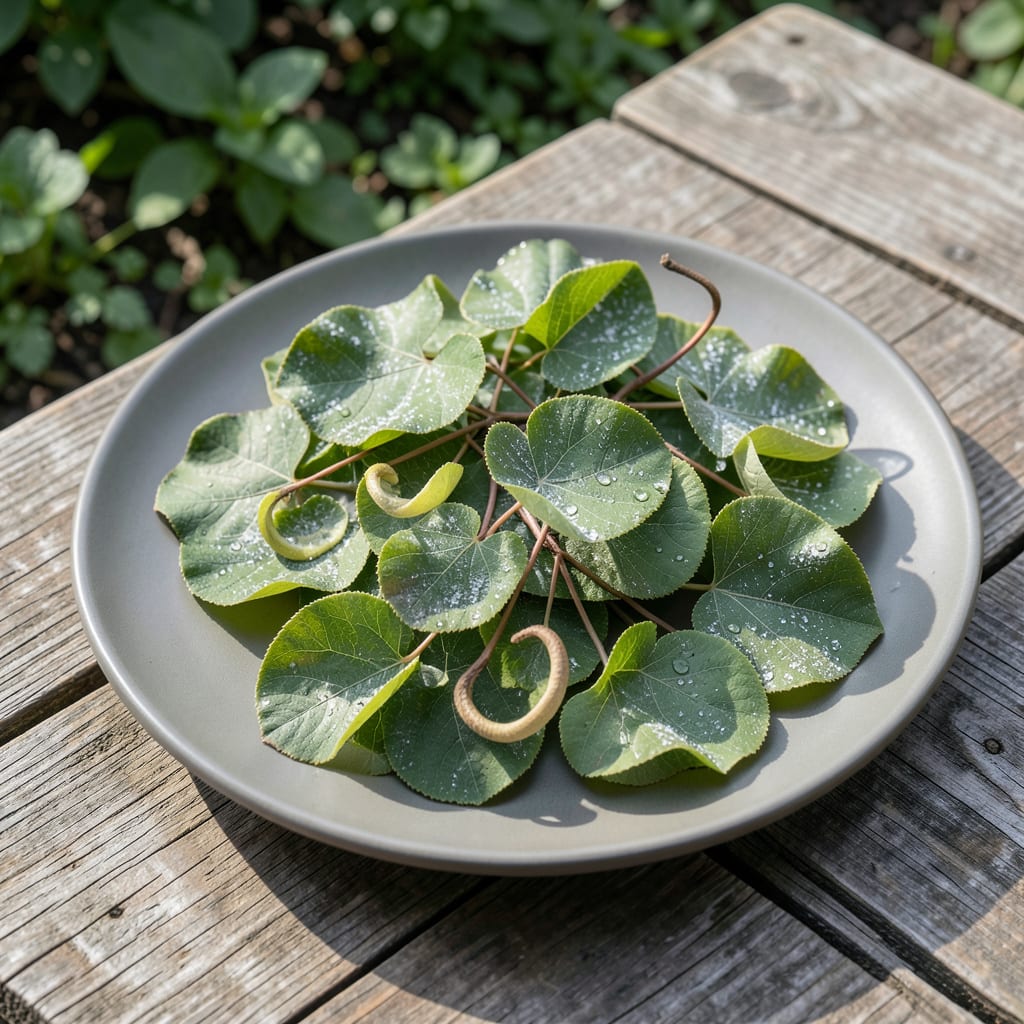
Those twisted, reddened leaves on your pear tree aren’t just unsightly—they’re a distress signal. I spotted my first case three springs ago and nearly lost the tree before I figured out what was happening.
The culprit is usually a fungal infection that thrives in wet, cool conditions. It spreads fast, turning leaves into crispy, curled messes that can’t photosynthesize properly. Your tree weakens, fruit production drops, and left untreated, it can kill branches.
Here’s the thing—early action makes all the difference. I saved my tree with a simple copper spray applied at just the right time, plus some basic cultural changes that keep the fungus from returning.
You’ll see new growth returning to healthy green within weeks of treatment. The tree recovers, the leaves uncurl, and your harvest stays on track. No fancy equipment required.
Pear tree leaf curl is primarily caused by fungal infections, environmental stressors, or pest activity. Understanding these triggers helps you address the issue effectively.
The most common cause is Peach Leaf Curl (Taphrina deformans), a fungus that overwinters in bark and buds. In wet, cool springs, spores infect emerging leaves, causing distortion, reddening, and curling. The fungus thrives in high humidity, making early season moisture a key factor.
Extreme temperature swings, frost damage, or excessive rainfall can weaken pear trees, making them more susceptible to leaf curl. Poor air circulation in dense canopies also traps moisture, creating ideal conditions for fungal growth.
Certain pests, like aphids or mites, can stress trees by feeding on leaves and sap. Their damage weakens foliage, making it easier for secondary infections (including fungal) to take hold. Inspect leaves for sticky residue (honeydew) or webbing as signs of infestation.
Leaf curl on pear trees is often caused by fungal infections, pests, or environmental stress. Here’s how to tackle each issue effectively:
If the culprit is Taphrina deformans, act fast with these steps:
💡 Prevention: Plant resistant pear varieties like ‘Kieffer’ or ‘Moonglow.’ Avoid overhead watering.
Sap-sucking pests weaken leaves, causing them to curl:
💡 Prevention: Prune nearby weeds that harbor pests. Use reflective mulch to deter aphids.
Drought, heat, or poor soil can stress trees, leading to curled leaves:
💡 Prevention: Plant pear trees in well-draining soil and avoid over-fertilizing with nitrogen.
Early signs include red or purple discoloration on new leaves, followed by distortion and curling. Check young leaves in spring, as they’re most vulnerable to fungal spores.
Yes! Remove infected leaves immediately and improve airflow by pruning. Apply neem oil or a baking soda spray as natural fungicides. Consistency is key for organic methods.
The fungus overwinters in bark and buds, reactivating in wet springs. Prevent recurrence by spraying copper fungicide in late winter before buds swell.
Left untreated, severe cases can weaken the tree, reduce fruit production, and even kill branches. Early intervention saves the tree and future harvests.
