
Beautiful Plants For Your Interior
Beautiful Plants For Your Interior
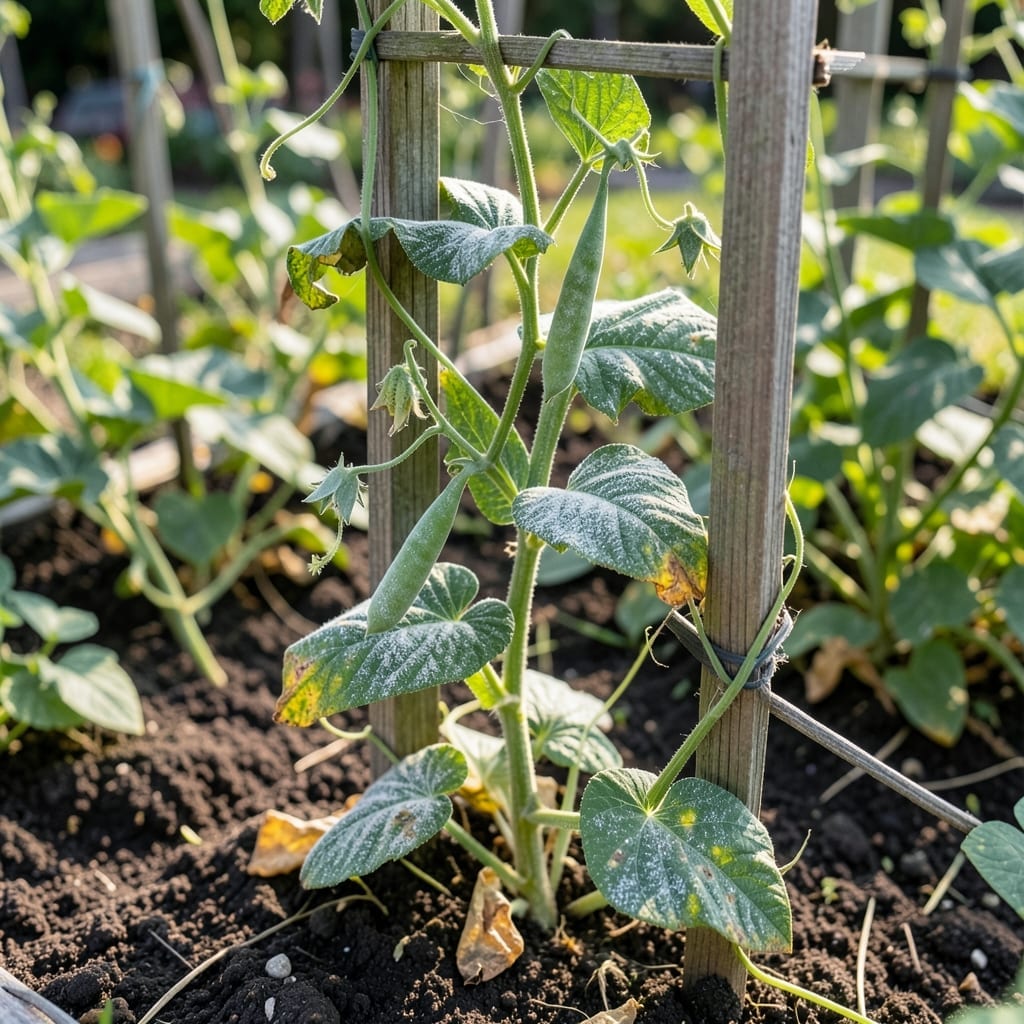
That white dust on your peach leaves isn’t just unsightly—it’s stealing your harvest. I spotted my first case during a dry spell in July, and by August, entire branches looked dipped in flour.
Powdery mildew thrives in warm, dry days with cool nights, spreading fast if left unchecked. The good news? It’s treatable without harsh chemicals. I’ve saved multiple trees with a simple spray and better airflow.
You’ll notice curled leaves first, then the powdery coating. Catch it early, and you can stop the spread before it damages fruit. Late detection means smaller, cracked peaches.
Prevention starts with spacing and pruning. The rest is just timing and the right mix. Works for any peach variety, any yard size.
Peach powdery mildew thrives under specific environmental and biological conditions. Understanding these triggers helps you prevent and manage infections effectively.
The fungus Podosphaera pannosa (the primary culprit behind peach powdery mildew) flourishes in 60–80% relative humidity and temperatures between 60–75°F (15–24°C). Unlike many fungal diseases, it doesn’t require free water to spread—dry conditions with high humidity are ideal. Warm days followed by cool, damp nights create the perfect storm for spore germination and infection.
Dense canopies or crowded plantings restrict airflow, trapping moisture around foliage and fruit. Stagnant air allows spores to settle and colonize peach leaves, shoots, and blossoms. Pruning for an open canopy and spacing trees properly disrupts this cycle.
Some peach cultivars lack genetic resistance to powdery mildew. Varieties like ‘Redhaven’ or ‘Elberta’ are particularly vulnerable. Choosing resistant rootstocks or cultivars (e.g., ‘Cresthaven’ or ‘Contender’) can significantly reduce disease pressure without chemical inputs.
While powdery mildew doesn’t need water to infect, overhead watering can splash spores from infected to healthy tissue and increase leaf wetness duration. Drip irrigation or soaker hoses at the soil level minimize this risk.
The fungus survives winter in bud scales or as mycelium in dormant buds. In spring, these overwintering structures release spores that infect emerging leaves. Removing and destroying infected plant debris in fall reduces next season’s inoculum.
Tackling peach powdery mildew starts with understanding its causes and applying targeted fixes. Here’s how to address each issue and prevent future outbreaks:
Overcrowded branches and dense foliage trap moisture, creating a haven for mildew. Fix it: Thin out branches to improve airflow, and space trees at least 10-12 feet apart. Remove any suckers or water sprouts growing at the base or in the center of the tree. This not only reduces humidity but also allows sunlight to penetrate, which inhibits fungal growth.
Overhead watering or soggy soil encourages mildew spores to thrive. Fix it: Switch to drip irrigation or soaker hoses to keep foliage dry. Water in the early morning so leaves have time to dry before evening. If your soil drains poorly, amend it with compost or sand to improve drainage.
Weak or stressed trees are more susceptible to disease. Fix it: Test your soil and amend it with balanced organic fertilizer to ensure your peach tree has the nutrients it needs. Potassium and phosphorus, in particular, help strengthen cell walls, making it harder for mildew to take hold.
If mildew is already visible, act fast to stop its spread. Fix it: Remove and destroy infected leaves or branches (do not compost them). Then, apply an organic fungicide like neem oil, baking soda solution (1 tbsp baking soda + 1 tsp dish soap + 1 gallon water), or sulfur-based sprays. Reapply every 7-10 days or after rain until the issue is resolved.
💡 Prevention Tips: Keep your garden clean by raking up fallen leaves and debris, which can harbor spores. Choose mildew-resistant peach varieties if planting new trees, and avoid high-nitrogen fertilizers, which promote lush, susceptible growth. Regularly inspect your tree for early signs to catch problems before they escalate!
That white, powdery film is the first sign of infection. It starts on upper leaf surfaces but can spread to shoots and fruit. Left untreated, it causes leaf curling and stunted growth.
Yes! A baking soda solution (1 tbsp per gallon of water) with a drop of dish soap works well. Apply weekly at first signs. Neem oil is another organic option that both treats and prevents spread.
Prune during dormant season (late winter) to improve airflow. Remove crossing branches and thin dense areas. Always sterilize tools between cuts to avoid spreading spores.
No. While not toxic, infected fruit often cracks or develops off-flavors. Remove and destroy affected peaches to prevent further spread. Harvest early if mildew appears near ripening time.