
Beautiful Plants For Your Interior
Beautiful Plants For Your Interior
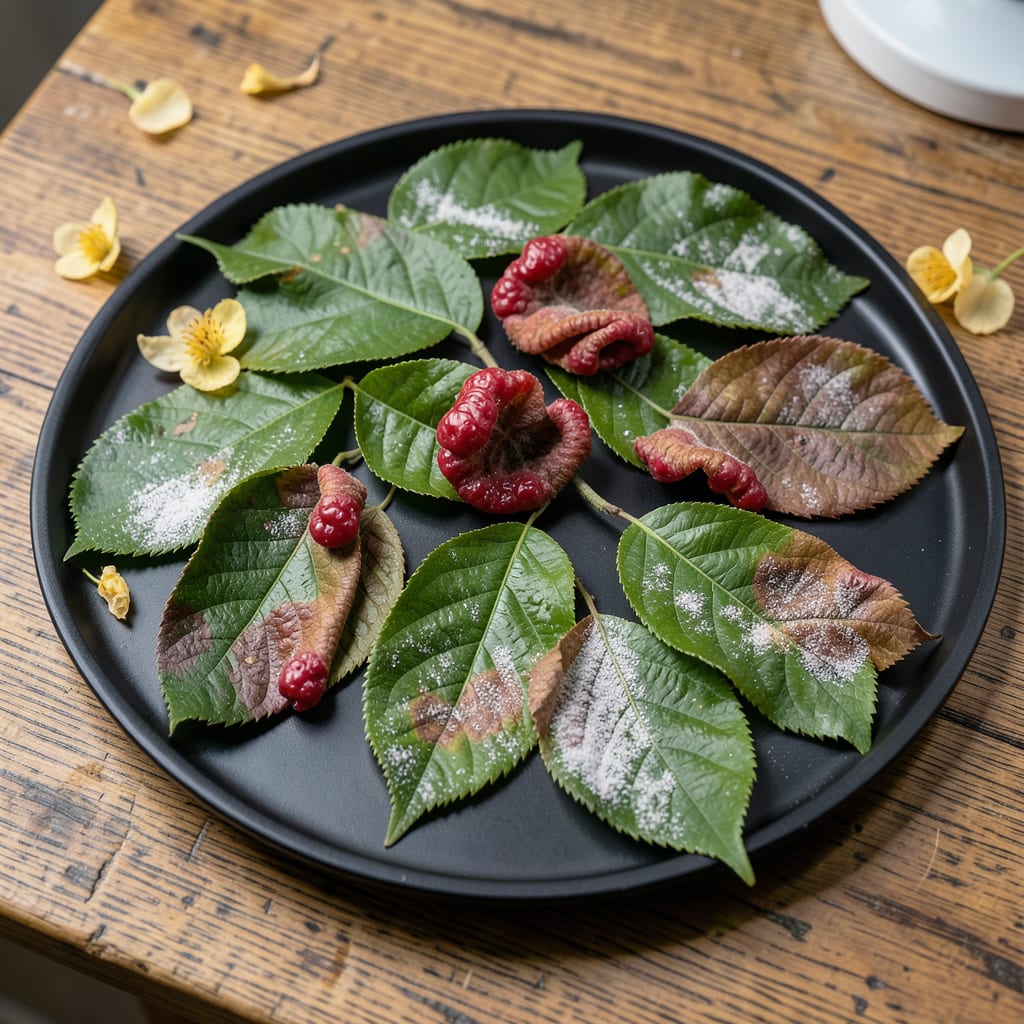
Spotted something strange on your peach tree leaves? I’ve been there—those first brown spots or curled edges can send any grower into panic mode.
Early detection is everything with peach leaf diseases. A few simple observations now can save your entire harvest later. I learned this the hard way after losing a season to untreated fungal spread.
You’ll spot patterns in discoloration, texture changes, and growth stunts that reveal exactly what you’re dealing with. Each disease has its signature look, and matching symptoms to solutions becomes second nature.
Works for backyard orchards, small farms, or even potted peach trees. The key is acting before the damage spreads to fruit.
Peach leaf diseases don’t appear out of nowhere—they’re often the result of specific environmental, biological, or cultural factors. Understanding these triggers helps you prevent outbreaks before they start. Below are the primary causes, broken down for clarity and actionability.
Most peach leaf diseases, like peach leaf curl (Taphrina deformans) and brown rot (Monilinia spp.), are caused by fungal spores. These thrive in cool, wet conditions, especially during spring when rain and humidity are high. Spores overwinter in bark, fallen leaves, or soil, then infect new growth when splashed by water or carried by wind.
Prolonged leaf wetness—from rain, overhead irrigation, or morning dew—creates the perfect breeding ground for fungi and bacteria. Peach trees with poor air circulation (e.g., crowded plantings or dense canopies) trap moisture, accelerating disease spread. Actionable tip: Space trees properly and prune to improve airflow.
Sudden temperature fluctuations weaken tree defenses. For example, peach leaf curl infects during cool (50–70°F), rainy periods but shows symptoms as temperatures rise. Heat stress can also make leaves more susceptible to secondary infections like bacterial spot (Xanthomonas arboricola).
Neglecting orchard hygiene—such as leaving infected debris on the ground or failing to sanitize pruning tools—spreads pathogens. Over-fertilizing with nitrogen promotes lush, tender growth that’s more vulnerable to disease. Pro tip: Remove and burn fallen leaves in autumn to reduce inoculum.
Pests like aphids, mites, or borers can transmit bacterial diseases (e.g., Xanthomonas) or create wounds that invite fungal entry. Controlling these pests with neem oil or horticultural oils can indirectly lower disease risk.
Tackling peach leaf diseases early ensures a thriving orchard. Below are targeted solutions for common issues, paired with prevention tips to keep your trees healthy.
Prune infected branches immediately and destroy them (do not compost). Apply captan or copper fungicide sprays at bud break and again after petal fall. Prevention tip: 💡 Thin fruit early to improve airflow and reduce humidity.
Spray lime sulfur or copper-based fungicides in late winter before buds swell. If already infected, remove curled leaves and dispose of them. Prevention tip: ✨ Plant resistant varieties like ‘Redhaven’ or ‘Frost’ and avoid overhead watering.
Remove and burn infected leaves and fruit. Apply bactericides like copper hydroxide at the first sign of spots, repeating every 7–10 days during wet weather. Prevention tip: 🌡️ Rotate crops and space trees widely to reduce moisture buildup.
Prune dense foliage to allow sunlight and air circulation. Spray sulfur dust or neem oil weekly until symptoms subside. Prevention tip: 🎯 Avoid high-nitrogen fertilizers, which promote tender, susceptible growth.
Introduce beneficial insects like ladybugs to control aphids and mites. Use insecticidal soap for severe infestations. Prevention tip: 🔥 Encourage biodiversity with companion plants like marigolds or yarrow.
Consistent monitoring and quick action are key. Always sterilize pruning tools between cuts to avoid spreading pathogens!
Look for red or purple spots, curled edges, or white powdery residue. Fungal infections often appear after wet weather and spread quickly.
Compare symptoms to trusted disease guides for accurate identification.
Early spring before bud break is ideal for preventive sprays. For active infections, treat immediately at first signs.
Reapply fungicides every 7-14 days during wet seasons.
Yes! A baking soda solution (1 tablespoon per gallon) can help with mild fungal issues. Neem oil works for both fungi and pests.
For severe cases, commercial fungicides are more reliable.
