
Beautiful Plants For Your Interior
Beautiful Plants For Your Interior
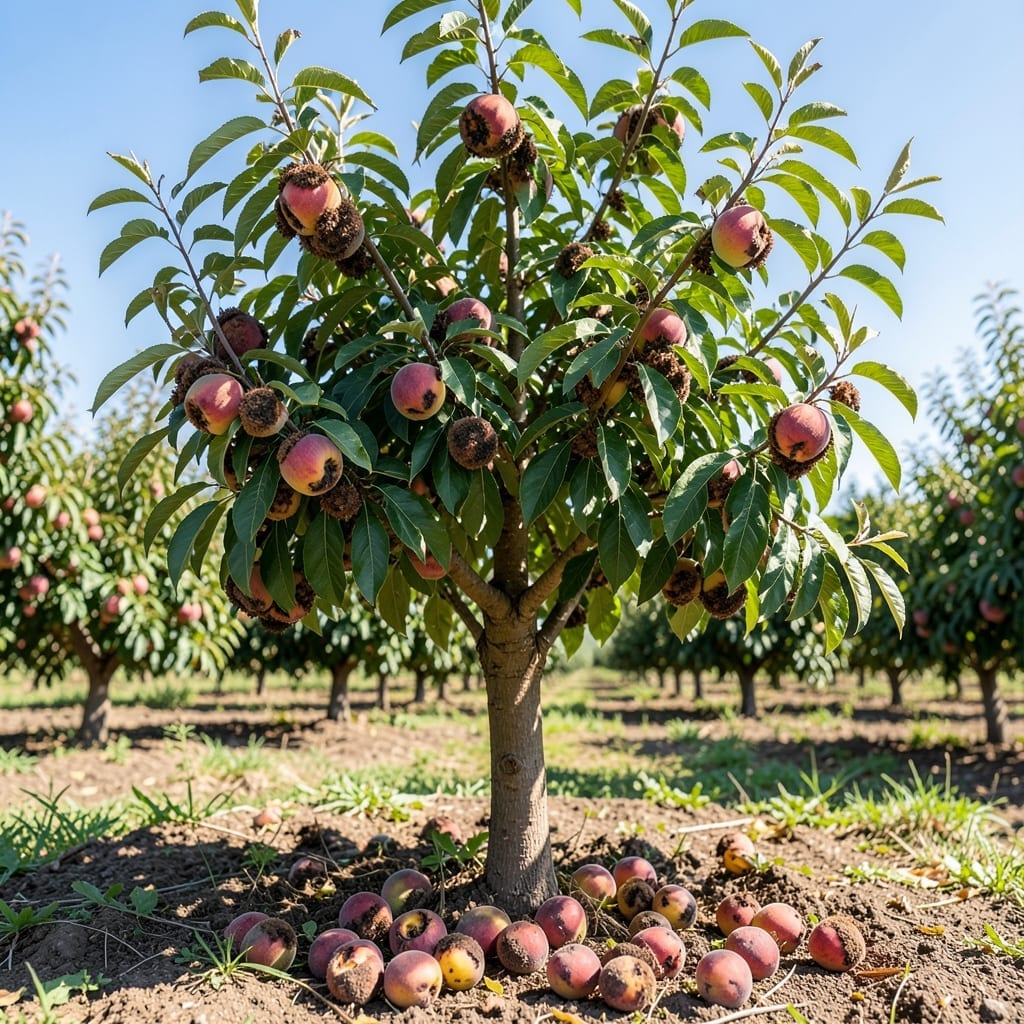
Spotted brown fuzz on your peach fruits or blossoms? That’s the first red flag of brown rot. I lost half my crop one season before learning to catch this early.
It spreads fast in wet weather, turning fruit into mummies and killing new shoots. The key is acting before it takes over—remove infected parts immediately and don’t compost them.
With the right organic sprays and cultural practices, you can save this year’s harvest and prevent next year’s outbreak. Cleanup is your first line of defense.
Works for all stone fruits, not just peaches. Here’s how to turn the tide.
Peach brown rot is a notorious fungal disease that wreaks havoc on stone fruit crops. Understanding its root causes is key to prevention. Below are the primary triggers, explained scientifically and actionably.
The main culprits are Monilinia fructicola and Monilinia laxa, fungi that thrive in warm, humid conditions. These pathogens overwinter in mummified fruit, cankers, or fallen debris, then release spores during blooming or fruit ripening. Action: Remove and destroy infected plant material to break the cycle.
Prolonged wetness—from rain, irrigation, or high humidity—creates the perfect environment for spore germination. Water on fruit surfaces for 6+ hours significantly increases infection risk. Action: Improve air circulation with pruning and avoid overhead watering.
Fungi enter through injuries like insect bites, hail damage, or harvesting wounds. Even microscopic cracks in fruit skin can invite infection. Action: Handle fruit gently and control pests (e.g., oriental fruit moths) that create entry points.
Warm days (75–85°F) followed by cool, damp nights accelerate spore production. Sudden temperature swings also stress trees, making them more susceptible. Action: Monitor forecasts and apply preventive fungicides during high-risk periods.
By targeting these causes, you can dramatically reduce brown rot’s impact on your peach crop.
Tackling peach brown rot starts with quick action and consistent care. Below are targeted solutions for common causes, paired with prevention tips to keep your trees healthy long-term.
If you spot brown, mummified fruit or blighted blossoms, act fast. Prune and destroy all infected fruit, branches, and blossoms—do not compost them, as the fungus can survive. Apply a copper-based fungicide or sulfur spray during dormancy and again at bud break. For organic gardens, neem oil or baking soda sprays (1 tbsp baking soda + 1 tsp dish soap per gallon of water) can help suppress the fungus.
Prevention tip: 💡 Thin fruit early to improve air circulation and reduce humidity around the tree.
Brown rot thrives in wet conditions. Ensure your peach trees are planted in well-draining soil and avoid overhead watering, which wets the leaves and fruit. Use drip irrigation or water at the base of the tree to keep foliage dry. If your area is prone to rain, consider mulching with straw or wood chips to prevent soil splashing onto the fruit.
Prevention tip: 🌧️ Space trees 10–15 feet apart to allow airflow and reduce moisture buildup.
Fungal spores can overwinter in fallen fruit, leaves, and debris. Rake and remove all plant litter from under the tree in late fall and again in early spring. Disinfect pruning tools with rubbing alcohol (70% isopropyl) between cuts to avoid spreading the fungus.
Prevention tip: ✨ Harvest ripe fruit promptly—overripe or dropped peaches are prime targets for rot.
During wet, humid seasons, fungal pressure increases. Apply fungicides before rainy periods and reapply as directed (usually every 7–14 days). Monitor weather forecasts and prioritize preventative sprays during bloom and as fruit begins to form.
Prevention tip: 🎯 Choose resistant peach varieties like ‘Reliance’ or ‘Contender’ if brown rot is a recurring issue in your area.
Look for brown, fuzzy spots on blossoms, fruit, or twigs. Infected fruit often shrivel into hard “mummies” that cling to the tree. Blossom blight appears as wilted, brown petals during bloom.
Remove all mummified fruit and fallen debris in late fall. Apply copper fungicide during dormancy and at bud break. Prune for better air circulation to reduce humidity.
Yes! Neem oil or baking soda solutions (1 tbsp per gallon) can suppress spores. Apply every 7-10 days during wet weather, especially at bloom and fruit set.
No—never compost mummified or rotten peaches. The fungus survives composting and can reinfect your garden. Burn, bury, or trash infected material instead.