
Beautiful Plants For Your Interior
Beautiful Plants For Your Interior
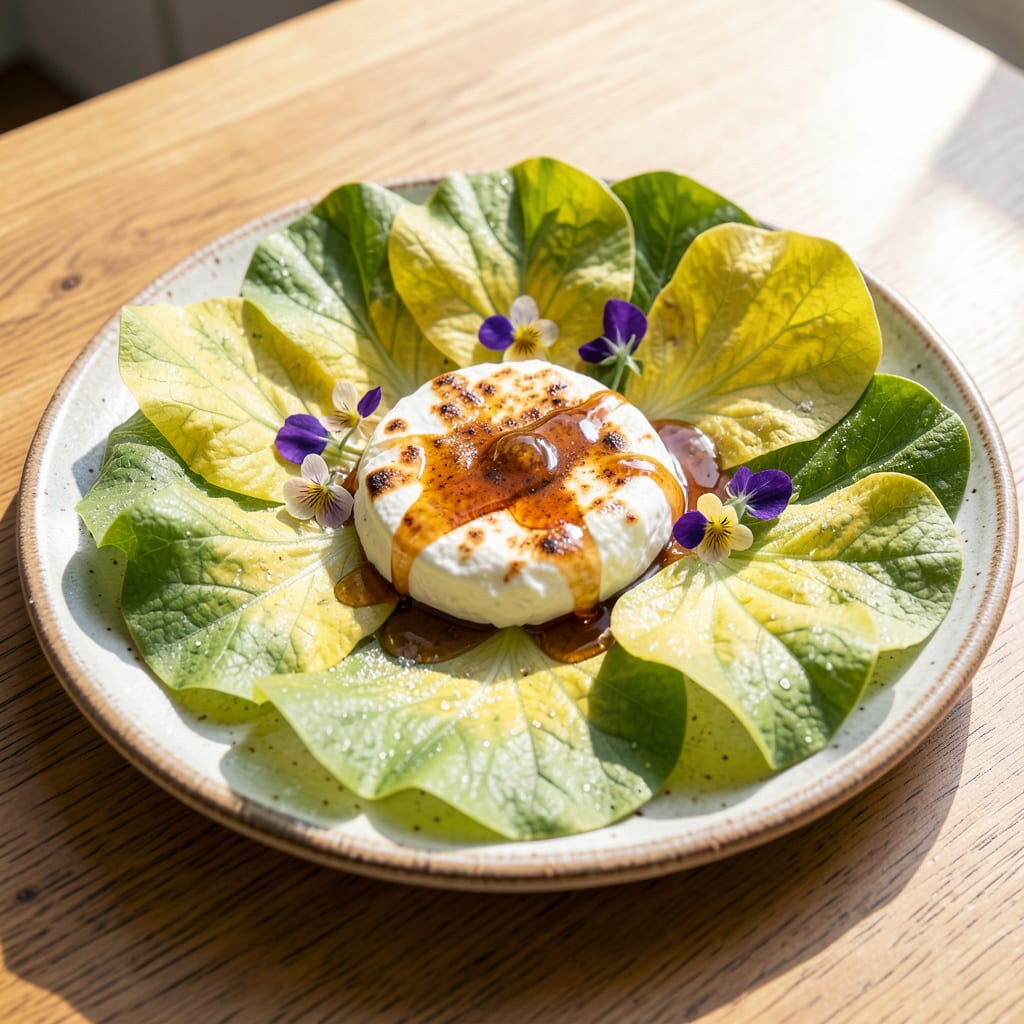
Those broad, umbrella-like leaves aren’t just for show. I discovered patty pan squash foliage makes a surprisingly good pesto base and adds a mild, spinach-like flavor to salads.
Healthy leaves mean a productive plant, so I watch for powdery mildew, yellowing edges, or chewed bits—signs of trouble. A little attention keeps both the squash and the greens thriving all season.
📚 In This Guide
Here’s the method I use to gather tender leaves without harming the plant’s growth or production.
Focus on the young, tender leaves near the top of the plant, typically the newest growth at the center. These will be the most flavorful and least fibrous. Avoid the older, larger leaves at the base—they tend to be tough and bitter, especially as the plant matures.
Look for leaves that are 3-5 inches long with a vibrant green color and smooth texture. If you see any signs of yellowing, holes from pests, or powdery mildew, skip those and move to healthier foliage. The plant will continue producing new leaves as long as you leave the growing tip intact.
Always harvest in the early morning when leaves are at their peak crispness and hydration. Use clean, sharp scissors or pruners to make a precise cut. Snip the leaf stem just above a node where new growth can emerge—this encourages the plant to branch out and produce more foliage.
Never pull or tear leaves by hand, as this can damage the plant’s vascular system and invite disease. If the stem resists, reposition your scissors for a cleaner cut. I limit myself to removing no more than one-third of the plant’s leaves at a time to avoid stressing it.
Begin harvesting leaves once the plant has 6-8 mature leaves, usually 4-6 weeks after germination. This ensures the plant is established enough to handle the loss without sacrificing its ability to photosynthesize and produce squash.
Check the plant every 3-4 days during active growth periods. Patty pan squash grows quickly, and new leaves will reach harvestable size faster than you expect. Regular harvesting also prevents the plant from becoming overgrown and unruly, which can reduce air circulation and increase disease risk.
For the best flavor and texture, use the leaves the same day you harvest them. If you need to store them, place the unwashed leaves in a sealed container lined with a paper towel to absorb excess moisture. They’ll keep in the refrigerator for 3-4 days.
Before using, give the leaves a quick rinse under cool water to remove any garden debris or dust. Pat them dry gently with a clean towel—wet leaves can dilute the flavor in dishes like pesto or salads. The leaves have a mild, slightly sweet flavor that pairs well with garlic, nuts, and olive oil.
Mastering the harvest ensures continuous production and the best flavor from your plants.
The Selection Factor: Focus on leaves that are exactly 3-5 inches long—this size indicates the perfect balance of tenderness and flavor development. Smaller leaves may lack depth, while larger ones risk bitterness. I always prioritize the newest growth at the center for the mildest, most delicate taste.
Timing Secret: That early morning window in Step 2 isn’t just tradition—it’s science. Leaves harvested at dawn contain the highest moisture content and crispness, which translates to better texture in your dishes. Afternoon picks often wilt faster and lose their vibrant quality.
The Technique That Changed Everything: Snipping just above a node, as described in Step 2, does double duty: it prevents plant damage and actually stimulates more growth. I’ve found this single practice increases my overall yield by encouraging bushier, more productive plants.
Storage Wisdom: The 3-4 day refrigerator lifespan mentioned in Step 4 holds true only if you follow the paper towel trick. This simple step absorbs excess moisture that would otherwise cause the leaves to turn slimy prematurely. For pesto, I recommend using them within 48 hours for peak flavor.
Yes! Patty pan squash leaves are edible raw and taste mild, similar to spinach. Use young, tender leaves in salads or as a garnish for a fresh, nutrient-packed bite.
Harvest leaves when they’re small and tender, typically 2–4 inches long. Early morning is ideal for maximum freshness and flavor. Avoid older, tough leaves.
If unavailable, try spinach, Swiss chard, or zucchini leaves. These alternatives offer a similar texture and mild flavor for pesto, salads, or cooking.
Yellowing leaves often signal overwatering, nutrient deficiency, or pests. Check soil moisture, fertilize if needed, and inspect for bugs like aphids. Prune damaged leaves to encourage new growth.
