
Beautiful Plants For Your Interior
Beautiful Plants For Your Interior
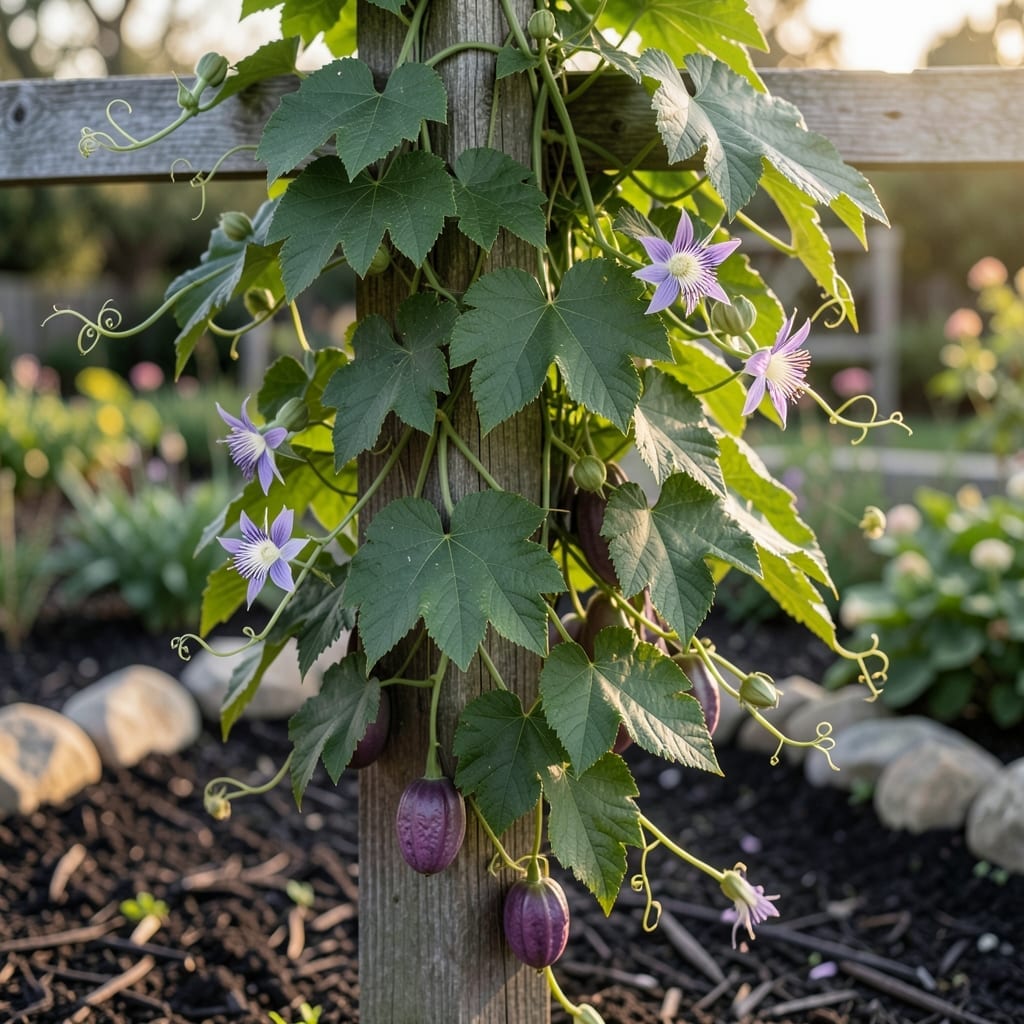
Watching a Passion Fruit 🧡 transform from a delicate flower to a ripe, tangy fruit is one of gardening’s most rewarding experiences. It’s like nature’s own magic show happening right in your backyard.
Understanding each stage of this journey ensures a healthy vine and a bountiful harvest. From the first bloom to the moment you pluck that perfect fruit, every step matters.
I’ve learned that timing and care make all the difference. Whether you’re a beginner or a seasoned gardener, knowing what to expect at each phase can save you from common pitfalls.
Discover how to nurture your Passion Fruit through its growth stages and enjoy the sweet rewards of your efforts. Let’s get started.
Watching your passion fruit vine transition from flower to fruit is a fascinating process. Each stage has unique care needs and visual cues that help you track progress and ensure a healthy harvest. I’ll walk you through the timeline so you know exactly what to expect.
From the first delicate blossoms to the final ripe fruit, the journey takes about 70-90 days. Understanding these stages helps you provide the right care at the right time, avoiding common pitfalls like poor pollination or fruit drop.
| Stage | Timeframe | Key Signs |
|---|---|---|
| Flowering | Day 1-10 | White-purple blooms appear, lasting 1 day each. |
| Pollination | Day 1-3 | Flowers must be hand-pollinated if bees are scarce. |
| Fruit Set | Day 10-15 | Small green fruits form at the base of pollinated flowers. |
| Maturation | Day 15-60 | Fruits grow rapidly; skin remains green and firm. |
| Ripening | Day 60-90 | Color changes to purple or yellow; skin wrinkles slightly. |
The flowering stage is the first sign your vine is ready to produce. Passion fruit flowers are stunning, with intricate white and purple petals. They typically open in the morning and close by afternoon, so timing is key for pollination.
If you’re growing passion fruit in a garden with few bees, I recommend hand-pollinating. Use a small brush to transfer pollen from one flower to another. This simple step can boost your fruit set significantly and prevent empty vines.
Once pollination occurs, you’ll see tiny green fruits forming at the base of the flowers. This is the fruit set stage, and it’s critical to ensure your vine has enough water and nutrients to support the growing fruit.
During maturation, the fruits will swell rapidly. Keep an eye out for pests like aphids or fruit flies, which can damage developing passion fruits. Regular checks and organic sprays can keep them at bay.
The final stage, ripening, is the most exciting. The skin changes from green to deep purple or golden yellow, depending on the variety. A slight wrinkle in the skin is a great indicator that the fruit is sweet and ready to harvest.
I always check for ripeness by gently pressing the fruit. A ripe passion fruit will feel slightly soft, and the skin may develop small wrinkles. If it’s still hard, give it a few more days on the vine.
With this timeline as your guide, you’ll be able to track your passion fruit’s progress like a pro. Happy gardening, and here’s to a bountiful harvest! 🌿
Growing passion fruit from flower to fruit depends on several critical factors. I’ve found that sunlight exposure is the most influential, as vines need 6+ hours of direct light daily for optimal growth and fruiting.
Without enough light, you’ll notice fewer flowers and poor fruit set. Similarly, consistent watering keeps the soil moist but not waterlogged, which is vital during the flowering stage.
5 Key Factors for Passion Fruit Growth
Soil quality also plays a huge role. I always amend my planting area with organic compost to provide the nutrients passion fruit vines crave. A balanced fertilizer every 4-6 weeks keeps them thriving throughout the growing season.
Temperature is another make-or-break factor. Passion fruit vines struggle below 50°F, so if you’re in a cooler climate, consider growing them in containers that can be moved indoors during chilly nights.
Pollination can be tricky, especially in areas with fewer bees. I’ve had success using a small paintbrush to transfer pollen between flowers, which significantly boosts fruit production.
Finally, pruning your vines encourages new growth and more flowering sites. I prune mine in early spring to remove dead wood and shape the vine for better air circulation and sunlight penetration.
With these factors in check, you’ll see your passion fruit transform from delicate blooms to plump, ripe fruits in no time ✂️