
Beautiful Plants For Your Interior
Beautiful Plants For Your Interior
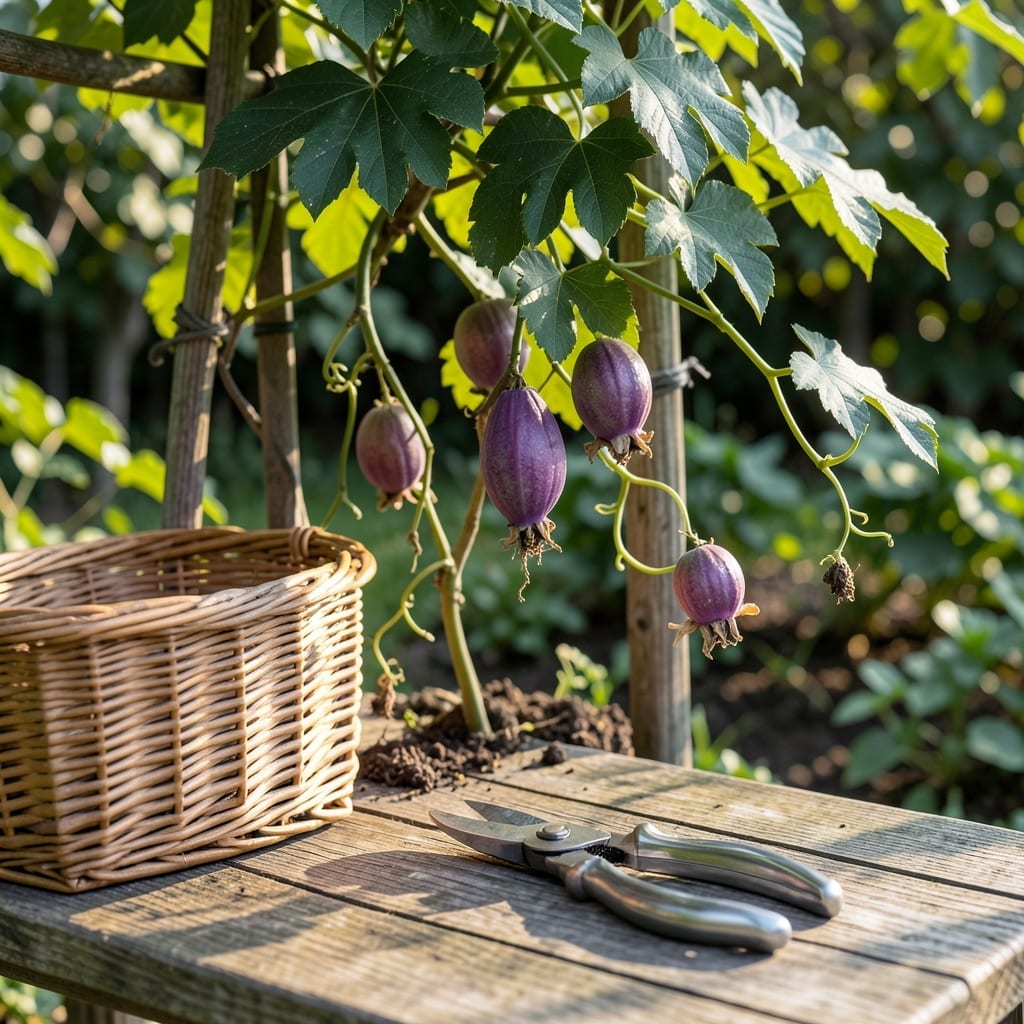
There’s nothing quite like biting into a ripe, homegrown 🧡 Passion Fruit. In California, timing is everything when it comes to planting and harvesting this tropical delight.
Our state’s unique climate gives us a long growing window, but knowing when to start makes all the difference. From the coastal fog to the inland heat, each region has its own rhythm.
I’ll walk you through the perfect planting schedule and what to expect as your vines mature. Let’s make this your most productive Passion Fruit season yet.
California’s diverse climate zones create unique opportunities for growing passion fruit. From the cool coastal areas to the warm inland valleys, timing your planting is key to success. I’ve found that spring planting works best in most regions.
The ideal window is typically March through April, after the last frost date when soil temperatures reach 60°F. This gives your vines a full growing season to establish before winter.
| Stage | Timeframe | Notes |
|---|---|---|
| Planting | March-April | After last frost, soil at 60°F |
| Vine Establishment | First Year | Focus on root growth |
| First Harvest | 12-18 months | Varies by variety and climate |
| Peak Season | July-October | Main harvest period |
In coastal areas like San Diego or Santa Barbara, you can plant as early as February thanks to milder winters. The cool ocean air helps moderate temperatures, creating ideal conditions for vines.
For inland regions such as the Central Valley, wait until late March or April. The hotter summers here mean your plants will need consistent watering and some afternoon shade during heatwaves.
Desert areas like Palm Springs require special care. I recommend fall planting (September-October) to avoid the intense summer heat. Provide partial shade and mulch heavily to retain moisture.
The harvest season typically runs from July through October. You’ll know fruits are ready when they fall from the vine or develop slight wrinkles on their skin. The purple varieties turn deep purple, while yellow types become golden.
Remember that first-year vines rarely produce fruit. Most passion fruit plants take 12-18 months to bear their first harvest. Patience is key, but the wait is worth it when you taste that sweet-tart flavor.
Frost is the biggest enemy of passion fruit in California. In USDA zones 9a-10b, you’re generally safe, but watch for cold snaps in winter. A light frost can damage vines, while a hard freeze may kill them.
To protect your plants, I use frost cloth on cold nights and plant near south-facing walls that absorb heat during the day. In colder areas, consider growing in containers that can be moved indoors during winter.
To maximize your passion fruit yield in California, I recommend focusing on proper vine support and consistent care. A sturdy trellis system improves air circulation, reducing disease risk.
I’ve found that drip irrigation works best during our dry summer months. It delivers water directly to roots while keeping foliage dry, preventing fungal issues.
I use a balanced 10-10-10 fertilizer every 4-6 weeks during the growing season. This provides the essential nutrients for both foliage and fruit production.
Pruning is another key practice. I remove dead or diseased wood in late winter and thin out excess growth to direct energy toward fruit production.
Don’t overlook pest control. Aphids and fruit flies can quickly damage your crop. I use neem oil as a natural preventative and remove any infested fruits immediately.
Finally, consider succession planting. By starting new vines every 6 months, you can enjoy a near-continuous harvest throughout California’s long growing season. ☀️