
Beautiful Plants For Your Interior
Beautiful Plants For Your Interior
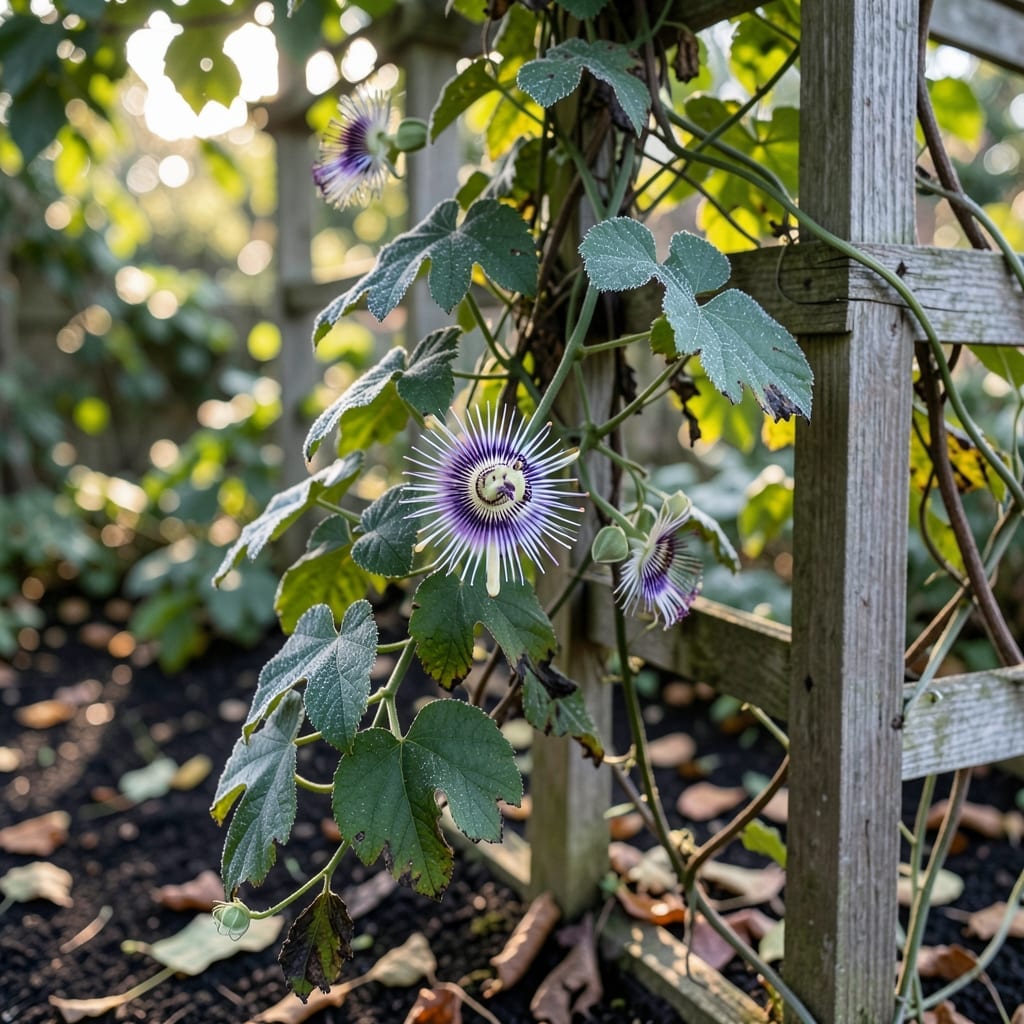
That first morning after a cold snap, seeing blackened leaves on your passion flower is gut-wrenching. I’ve been there—wondering if the damage is permanent or if there’s hope for recovery.
Frost damage often looks worse than it is. The plant may survive even when tops appear destroyed, as roots and lower stems usually stay protected. Don’t prune yet—that can stimulate new growth that’s vulnerable to the next cold night.
Instead, provide protection with blankets or frost cloth during cold warnings. Watering before a freeze helps too, as moist soil retains heat better than dry ground.
With patience and the right care, most passion flowers bounce back by spring. The key is resisting the urge to act too soon.
Passion flowers are tropical natives, thriving in warm climates (USDA zones 7-11). When temperatures dip below 32°F (0°C), their cells can’t handle the cold, leading to frost damage. Here’s why it happens:
Passion flowers acutely feel rapid cold snaps. Their thin, tender tissues lack natural antifreeze proteins found in cold-hardy plants. A single night of 28°F (-2°C) or lower can rupture cell walls, causing blackened leaves and mushy stems.
Extended periods of freezing temperatures (even just a few hours) allow ice crystals to form inside plant tissues. These crystals expand, damaging vascular systems and blocking water transport. Without moisture, foliage wilts and turns crispy.
Cold winds accelerate moisture loss and intensify frost damage. Even if the air temperature is just above freezing, wind chill can make it feel colder, stripping heat from the plant faster than it can adapt.
Passion flowers grown in consistently warm conditions (e.g., greenhouses or mild winters) are less prepared for cold. Without gradual exposure to cooler temps in fall, they can’t harden off—making them more vulnerable to frost.
Actionable tip: In borderline zones, use frost cloth or mulch to buffer temperature swings.
Frost damage can leave your passion flower looking sad, but don’t lose hope! With the right care, you can nurse it back to health. Below are targeted solutions for common frost-related issues, along with tips to prevent future damage.
If the leaves are blackened or mushy, trim them back to healthy tissue using clean, sharp shears. Remove all damaged foliage to prevent rot from spreading. After pruning, cover the plant with frost cloth or a blanket on cold nights to shield it from further harm. 💡 Prevention tip: Apply a thick layer of mulch around the base before winter to insulate the roots.
Frozen stems may look lifeless, but they can sometimes recover. Avoid pruning immediately—wait until spring to see if new growth emerges. If stems are hollow or brittle, cut them back to just above a healthy bud. 🎯 Prevention tip: Wrap stems in burlap or bubble wrap during extreme cold snaps for extra protection.
If your passion flower isn’t bouncing back, give it a balanced fertilizer (10-10-10) to encourage regrowth. Water deeply but avoid overwatering, as soggy soil can worsen stress. ✨ Prevention tip: Plant passion flowers in a sheltered spot, like near a south-facing wall, to reduce exposure to harsh winds and frost.
With patience and these steps, your passion flower can thrive again—just give it time and TLC!
Look for blackened, mushy leaves or stems that appear water-soaked. These are classic signs of frost damage. Healthy tissue remains firm and green, even if slightly wilted.
No, wait until spring. Pruning too soon can stimulate new growth that’s vulnerable to further cold. Remove only completely mushy or blackened areas to prevent rot.
Cover with frost cloth, blankets, or cardboard boxes. Secure covers to the ground to trap heat from the soil. For extra protection, add a 2-3 inch layer of mulch around the base.
Yes, if the roots survive. Even when tops appear dead, roots often stay protected underground. New growth typically emerges in spring when temperatures rise.