
Beautiful Plants For Your Interior
Beautiful Plants For Your Interior
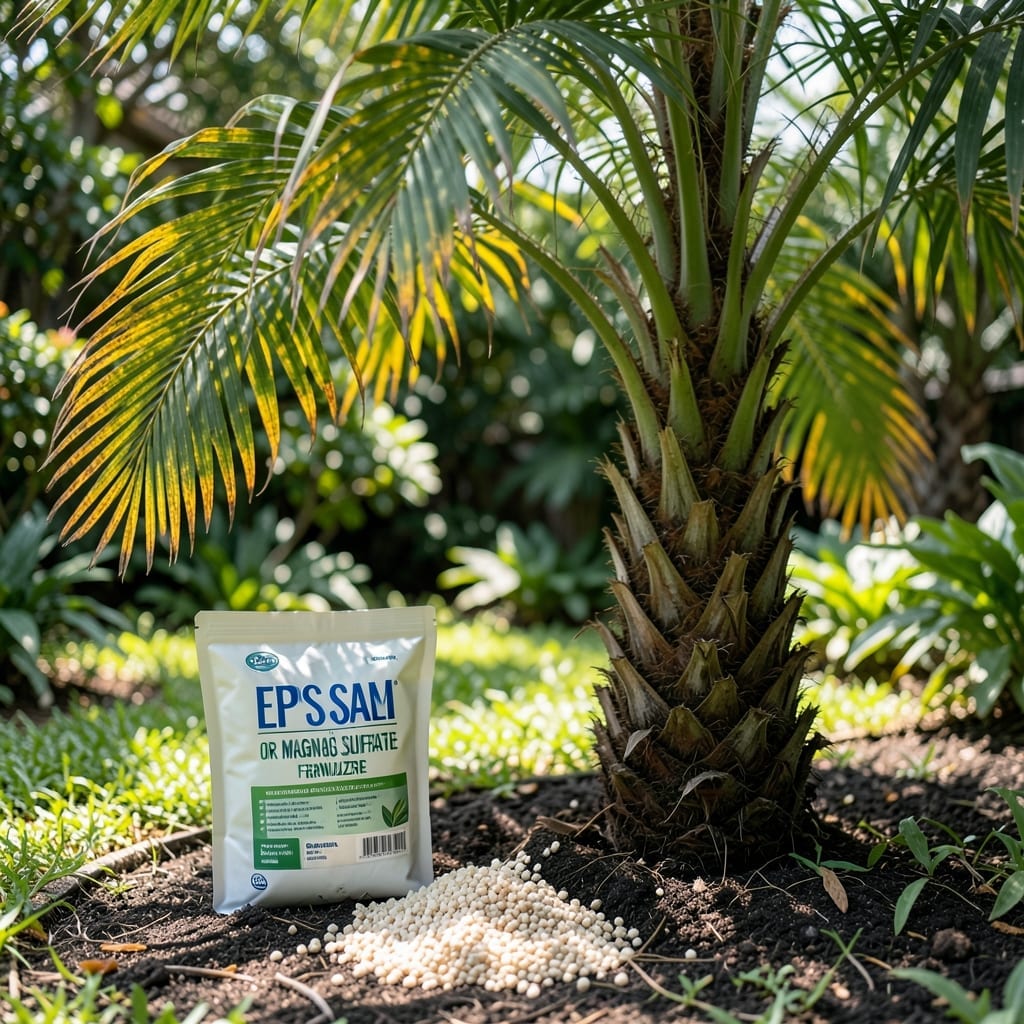
Yellow fronds on your palm tree aren’t just unsightly—they’re a cry for help. I’ve seen magnesium deficiency turn lush palms into sad, yellowing shadows in a matter of weeks.
This sneaky issue starts with older leaves first, leaving you with streaks of yellow between green veins. The solution is simpler than you’d think, but waiting too long means permanent damage.
With the right soil amendment or foliar spray, you can nurse your palm back to its vibrant green glory. I’ve revived even the most neglected palms using this approach.
Fair warning: most gardeners overlook the early signs. Don’t be one of them.
Magnesium deficiency in palm trees often stems from a mix of environmental and soil-related factors. Here’s why it happens:
Palm trees thrive in well-draining, slightly acidic soils. When soil lacks sufficient magnesium (Mg) or has a pH above 7.0, the nutrient becomes less accessible. Sandy or heavily leached soils, common in tropical regions, often lose magnesium faster than it can be replenished.
Excessive potassium (K) or calcium (Ca) in the soil can block magnesium uptake. Over-fertilizing with high-potassium blends (like those meant for fruiting palms) may inadvertently starve the tree of magnesium, as roots absorb these cations competitively.
Drought or inconsistent watering disrupts nutrient mobility in the soil. Magnesium is water-soluble, so dry spells can prevent roots from absorbing it. Conversely, overwatering can leach magnesium deeper into the soil, out of the root zone.
Compacted soil, mechanical injury, or fungal infections (e.g., Ganoderma) damage roots, reducing their ability to absorb magnesium. Shallow-rooted palms, like Phoenix roebelenii (Pygmy Date Palm), are especially vulnerable.
Young or newly planted palms require more magnesium to fuel frond and trunk development. If the soil’s magnesium supply can’t keep up with the growth spurt, deficiency symptoms (like interveinal chlorosis) appear on older leaves first.
Restoring your palm’s health starts with correcting the magnesium shortage. Here’s a cause-to-fix roadmap:
Mix 2 tablespoons of Epsom salt (magnesium sulfate) per gallon of water and drench the soil around the root zone every 2–4 weeks. For a slow-release option, work 1–2 cups of dolomitic lime into the top 6 inches of soil. Prevention tip: 💡 Test soil pH annually—palms prefer 6.0–7.5; adjust with lime if too acidic.
Soggy roots block nutrient uptake. Let the top 2–3 inches of soil dry out between waterings. If the area stays wet, mix in perlite or coarse sand to loosen compacted soil. Prevention tip: ✨ Use a moisture meter to avoid guesswork.
Switch to a palm-specific fertilizer with a 2-1-3 or 8-2-12 NPK ratio that includes micronutrients like magnesium. Apply every 3 months during growing season. Prevention tip: 🎯 Avoid high-nitrogen lawn fertilizers near palms—they steal magnesium.
Sandy soils drain magnesium too quickly. Top-dress with 2–3 inches of compost or well-rotted manure and lightly work it in. Mulch with shredded bark to retain moisture and nutrients. Prevention tip: 🌡️ Reapply organic matter every spring and fall.
Quick check: New growth should turn deep green within 4–6 weeks. If yellowing persists, retest soil and adjust your approach.
Look for yellowing between leaf veins, starting with older fronds. This interveinal chlorosis is classic, while veins stay green. New growth may appear stunted if left untreated.
Yes, dissolving 2 tablespoons per gallon and applying to soil every 2-4 weeks works well. It provides immediate magnesium, but test soil pH first for best results.
Possibly. Soggy soil leaches magnesium away from roots. Let top 2-3 inches dry between waterings and improve drainage if needed.
Use a palm-specific 2-1-3 or 8-2-12 NPK formula with micronutrients. Apply every 3 months during growing season for consistent magnesium supply.