
Beautiful Plants For Your Interior
Beautiful Plants For Your Interior
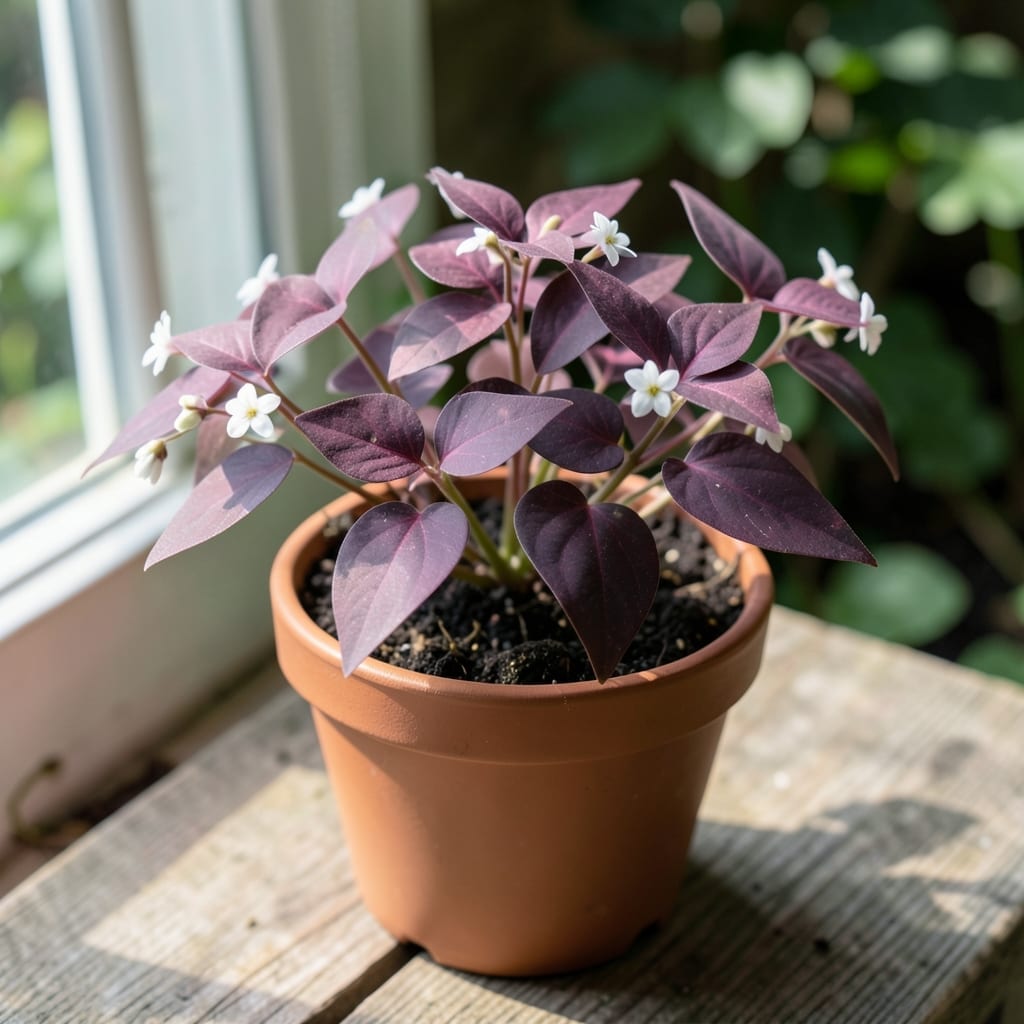
That moment when you notice your Purple Shamrock 🍃 has doubled in size overnight is both amazing and alarming. This vibrant plant has a way of spreading that can surprise even experienced gardeners.
Left unchecked, its delicate foliage can quickly dominate a space. But here’s the good news: with the right knowledge, you can control its growth rather than fight it.
Understanding how Oxalis triangularis spreads is the key to maintaining that perfect balance in your garden. Whether you want to encourage its beauty or keep it in check, the process starts with knowing its habits.
Discover how this plant expands and learn practical ways to manage its growth effectively. Your garden’s harmony depends on it.
I’ve watched Oxalis triangularis transform gardens with its vibrant purple foliage, but its spreading habits can surprise even seasoned growers. This plant doesn’t just grow—it multiplies through multiple clever methods that help it thrive. 🌱
In my experience, the primary way it spreads is through underground rhizomes and bulb division. These structures allow it to expand rapidly, especially in loose, well-draining soil where it can send out new shoots with ease.
| Spreading Method | How It Works | Conditions Favored |
|---|---|---|
| Rhizomes | Horizontal stems spread underground | Moist, rich soil |
| Bulb Division | Bulbs naturally split, creating new plants | Well-draining, loose soil |
| Self-Seeding | Seeds disperse from spent flowers | Full sun to partial shade |
| Stolons | Above-ground runners produce new roots | Containers, hanging baskets |
Another sneaky method is self-seeding. When Oxalis triangularis flowers, it produces small seed pods that can scatter, leading to new plants popping up in unexpected spots. This is why you might find it in garden beds far from the original planting site.
In containers, the spread is often through stolons—above-ground stems that arch out and root where they touch soil. I’ve seen this happen in hanging baskets, where the plant creates a beautiful, trailing effect.
What surprises many gardeners is how adaptable this plant is. It can spread in full sun or partial shade, though it prefers bright, indirect light. The key to managing its expansion is understanding these growth patterns. ✂️
I’ve noticed that in rich, moist soil, the rhizomes grow more aggressively, while in dry or compacted soil, the plant spreads more slowly. This gives you some control—adjusting your soil conditions can influence how much it expands.
For those growing it in containers, the spread is easier to manage. The roots can’t travel far, so you’ll mostly see new growth from bulb division or stolons. Just be sure to repot when it gets crowded.
In garden beds, however, Oxalis triangularis can become invasive if left unchecked. Its rhizomes can travel several inches underground, popping up new plants far from the original clump. Regular monitoring is essential.
Finally, remember that this plant’s spreading nature isn’t all bad. When managed well, it can create a stunning ground cover with its purple leaves and delicate flowers. The trick is balancing its growth with your garden’s needs. 🌿
When Oxalis triangularis starts taking over, don’t panic. I’ve found that hand-pulling is the most effective first step for small infestations. The key is to remove the entire bulb to prevent regrowth. 🌱
For larger areas, mulching with a 2-3 inch layer of organic material can suppress new growth by blocking sunlight. This works especially well in garden beds where you want to maintain soil health.
Growing Oxalis triangularis in containers is my favorite solution. It naturally limits the spread while allowing you to enjoy its beauty. Just
For persistent patches, a targeted vinegar spray can work. I mix 1 part vinegar with 1 part water and apply it directly to the leaves on sunny days for best results. ✂️
In landscape settings, root barriers installed 6-8 inches deep can effectively contain the rhizomes. This is particularly useful when planting near lawns or other garden areas you want to protect.
Regular monitoring is crucial. I check my garden weekly during the growing season to catch any new growth early. This proactive approach saves time and effort in the long run.
Remember, the goal isn’t to eliminate Oxalis triangularis completely, but to manage its spread. With these methods, you can enjoy its striking purple foliage without it taking over your garden. 🌿