
Beautiful Plants For Your Interior
Beautiful Plants For Your Interior
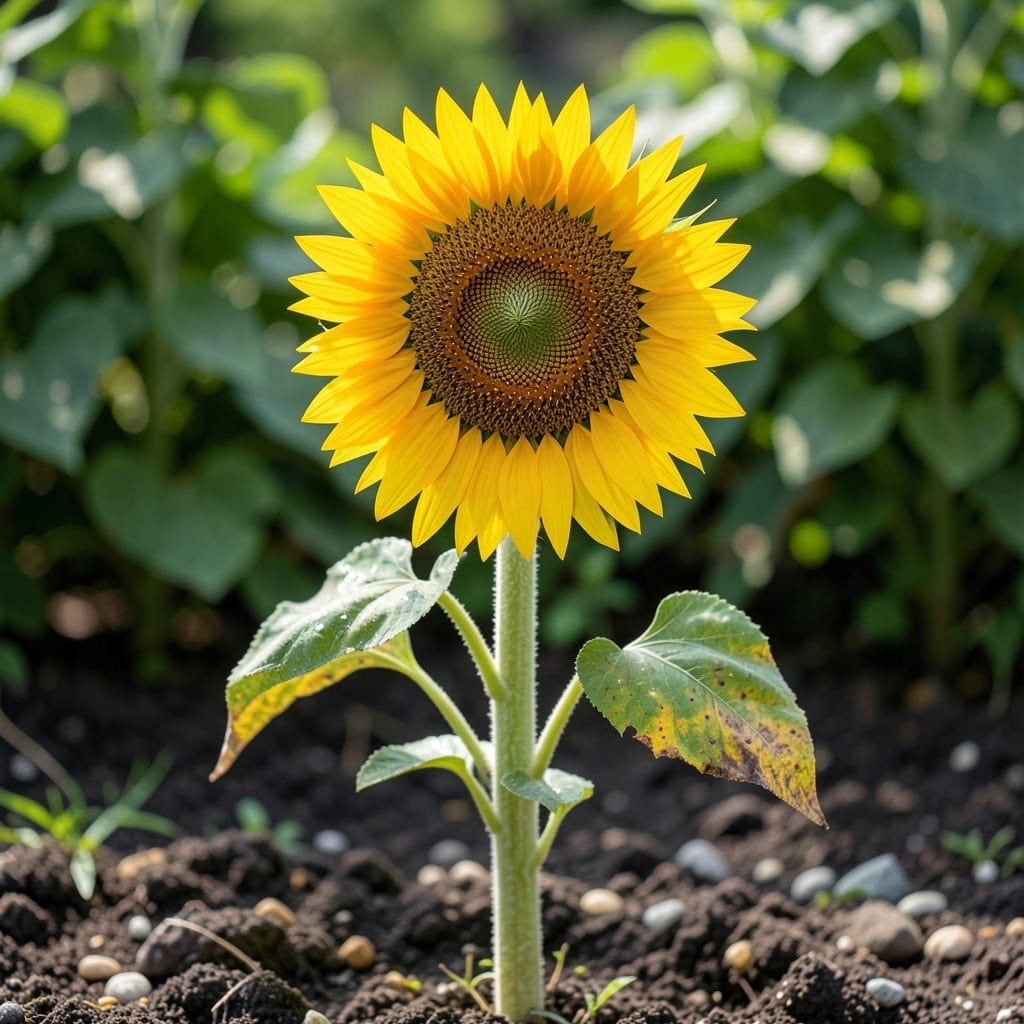
Yellowing leaves and sagging stems on your sunflower aren’t always from thirst. I’ve watched perfectly healthy plants decline overnight from too much water, and the fix isn’t what most people expect.
Overwatering suffocates roots, turning them mushy and brown. The plant can’t drink, so it wilts—ironically from drought stress at the root level. Catching it early means the difference between revival and a compost pile addition.
You’ll need to stop watering immediately, check the soil two inches down (it should be dry), and give those roots air. A fan on low for 24-48 hours speeds up recovery if the damage isn’t severe.
Prevention is simpler than cure: water only when the top inch of soil feels dry, and always use pots with drainage holes. Your sunflower will bounce back stronger.
Sunflowers thrive with consistent moisture, but too much water disrupts their natural balance. Here’s why overwatering happens—and how to prevent it.
Sunflowers typically need 1–2 inches of water per week, including rainfall. Overzealous watering—especially in well-draining soil—leads to soggy roots. Their deep taproots are designed to seek water, so frequent shallow watering encourages weak root systems prone to rot.
Heavy clay or compacted soil retains water like a sponge, suffocating roots. Sunflowers prefer loamy, well-draining soil to prevent waterlogging. If your garden has dense soil, amending it with compost or sand improves aeration and drainage.
Potted sunflowers in oversized containers hold excess moisture, as the roots can’t absorb it fast enough. Always choose pots with drainage holes and match the container size to the plant’s current growth stage to avoid stagnant water.
Cool, cloudy weather slows evaporation, so watering on a fixed schedule—without checking soil moisture—can drown the plant. Use the finger test: stick your finger 2 inches into the soil; if it’s dry, water. If moist, wait.
If your sunflower is showing signs of overwatering, don’t panic—there’s plenty you can do to nurse it back to health. The key is acting quickly and adjusting your care routine. Below are targeted solutions for common issues, along with tips to prevent future problems.
If the leaves are turning yellow, your sunflower is likely drowning. Stop watering immediately and let the soil dry out completely before the next watering. Stick your finger 2 inches into the soil—if it feels damp, wait another day or two. Sunflowers thrive on less water once established, so aim for deep but infrequent watering (about once a week in most climates).
Wilting can signal root stress from soggy soil. Check the pot or garden bed for proper drainage. If your sunflower is in a container, ensure it has drainage holes at the bottom. For garden plants, mix in perlite or coarse sand to loosen compacted soil. Elevate potted sunflowers to prevent water from pooling underneath.
If roots are mushy, brown, or smelly, root rot has set in. Gently remove the plant and trim away any affected roots with clean scissors. Repot it in fresh, well-draining soil and a clean container. For garden plants, amend the soil with compost to improve texture. To prevent future rot, add a layer of mulch to regulate moisture but keep it away from the stem.
💡 Pro Tip: Use a moisture meter to take the guesswork out of watering. Sunflowers prefer soil that’s dry to the touch between waterings—when in doubt, hold off!
Look for yellowing leaves, wilting despite wet soil, or mushy brown roots. A simple finger test helps: if soil feels damp 2 inches down, hold off on watering.
No, they prefer 1-2 inches per week, including rain. Deep, infrequent watering encourages strong root growth. Daily watering often leads to overwatering.
Yes, if caught early. Trim affected roots, repot in fresh well-draining soil, and stop watering until soil dries. Severe cases may not recover.
Use loamy, well-draining soil mixed with perlite or sand. Avoid heavy clay soils that retain too much moisture.