
Beautiful Plants For Your Interior
Beautiful Plants For Your Interior
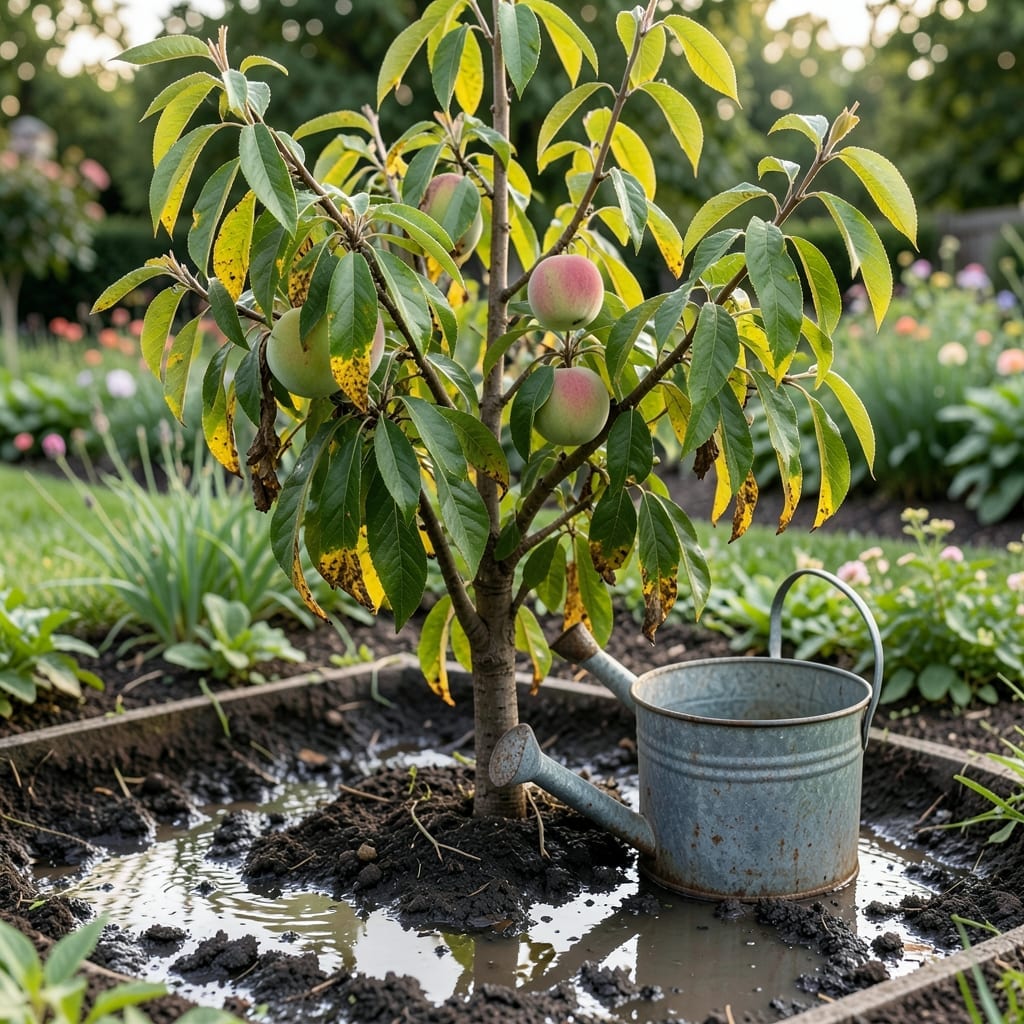
Yellowing leaves and soggy soil spelled disaster for my peach tree last spring. I learned the hard way that more water isn’t better—it’s a death sentence for roots.
Drooping branches and blackened stems are classic signs of overwatering. The fix starts with stopping all water immediately and letting the soil dry out completely. This gives the roots a fighting chance to recover.
Once the soil is dry, check the roots for rot—mushy, dark roots need to go. Trim them back to healthy tissue and repot or replant in fresh, well-draining soil. It’s a simple rescue mission.
Prevention is easier than the cure. Water only when the top 2-3 inches of soil are dry, and always ensure good drainage. Your tree will thank you with strong, healthy growth.
Overwatering a peach tree often stems from well-intentioned but misguided care. Below are the primary causes, each with actionable insights to help you adjust your approach.
Peach trees thrive in well-draining soil with moderate moisture. Frequent watering—especially in clay-heavy or compacted soils—prevents oxygen from reaching the roots. The roots suffocate, leading to root rot and nutrient uptake failure. Stick to deep, infrequent watering (1–2 times per week for mature trees) and always check soil moisture 2–3 inches deep before adding more.
Soil that retains water due to high clay content or lack of organic matter traps excess moisture around the roots. This creates an anaerobic environment where harmful fungi like Phytophthora thrive. Amend the soil with compost or sand to improve drainage, or plant peach trees in raised beds if your soil is naturally waterlogged.
Many gardeners water on a fixed schedule regardless of rainfall. Peach trees need about 1–2 inches of water per week, including precipitation. Use a rain gauge to track natural water input and adjust irrigation accordingly. During rainy seasons, pause watering entirely to avoid oversaturation.
Overhead sprinklers or shallow watering encourage surface-level root growth, making trees more susceptible to drought and overwatering. Instead, use drip irrigation or soaker hoses to deliver water slowly and deeply to the root zone, promoting stronger, deeper roots that resist rot.
When your peach tree shows signs of overwatering, act fast to prevent long-term damage. Below are targeted solutions for each common issue, along with tips to keep it healthy moving forward.
If the soil is soggy, stop watering immediately. Let the top 2–3 inches dry out before resuming. For severe cases, dig small trenches around the tree to redirect excess water. Mix in coarse sand or perlite to loosen compacted soil and boost drainage. Raise the planting area or add a French drain if the spot stays wet.
Prevention tip: 💡 Always check soil moisture with your finger before watering—peach trees prefer slightly dry conditions over damp ones.
Yellowing or wilting leaves often mean the roots are drowning. Skip watering for 5–7 days and let the tree recover. If the soil is bone-dry after this break, water deeply but less often—about 1–2 inches per week, including rainfall. Use a moisture meter for precision.
Prevention tip: 🎯 Water early in the morning to reduce evaporation and fungal risks.
If roots are dark, mushy, or smell foul, prune affected roots with sterilized shears. Remove any rotting mulch or debris around the base. Apply a copper-based fungicide to the soil to fight off pathogens. In extreme cases, transplant the tree to a new, well-draining location.
Prevention tip: ✨ Avoid mulching too close to the trunk—keep a 6-inch gap to prevent moisture buildup.
Compacted soil suffocates roots. Use a garden fork to gently aerate the top 6–8 inches, being careful not to damage roots. Add organic compost to improve soil structure and encourage healthy root development.
Prevention tip: 🌡️ Test your soil’s drainage by digging a 1-foot hole, filling it with water, and timing how long it takes to drain. If it’s slower than 1 hour, amend the soil.
Mature trees need 1-2 inches of water per week, including rain. Check soil 2-3 inches deep—only water when dry. Young trees may need slightly more frequent watering.
Look for yellowing leaves, drooping branches, or soggy soil. Roots may appear black or mushy. Early detection makes recovery much easier.
Yes, if caught early. Stop watering, trim affected roots, and improve drainage. Severe cases may require fungicide or transplanting to fresh soil.
Use well-draining soil with organic matter. Amend clay-heavy soil with compost or sand. Raised beds work well in waterlogged areas.