
Beautiful Plants For Your Interior
Beautiful Plants For Your Interior
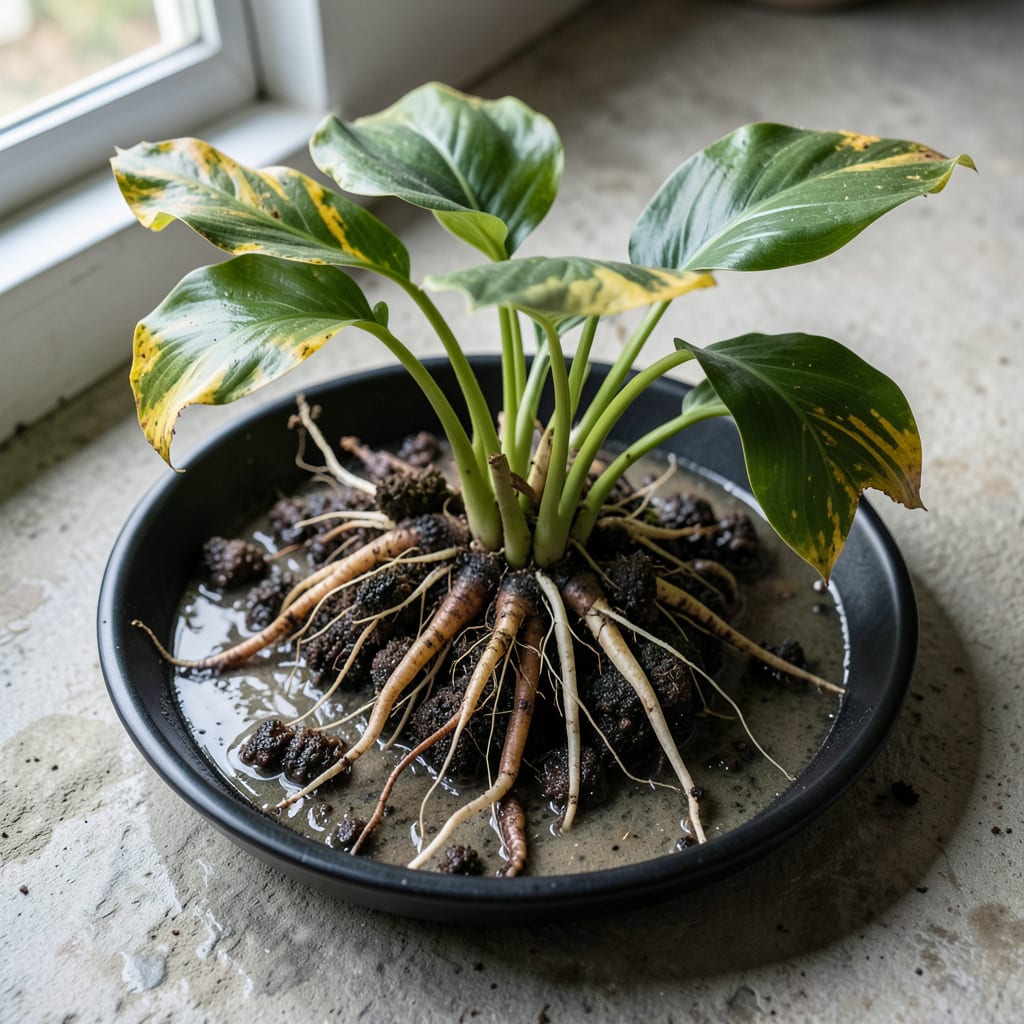
Yellow leaves and drooping stems sent me into a panic last winter. Turns out my peace lily wasn’t dying—it was drowning from too much love and too much water. The roots were suffocating in soggy soil.
Here’s the thing—root rot starts silently. By the time you see wilting or black stems, the damage is already done. I caught mine just in time by checking the roots, which were mushy and dark instead of firm and white.
Recovery isn’t complicated but it is urgent. You’ll need to trim the rot, repot in fresh soil, and adjust your watering habits. My plant perked up within 2 weeks of this treatment.
Now I water only when the top inch of soil feels dry. No more guesswork, no more root rot. Simple as that.
Root rot in peace lilies is primarily triggered by excessive moisture and poor growing conditions. Below are the key causes, explained with actionable insights.
The most common culprit is overwatering. Peace lilies thrive in moist but well-draining soil. When waterlogged, the roots suffocate due to oxygen deprivation, creating an anaerobic environment. This stress weakens the roots, making them susceptible to fungal and bacterial infections like Phytophthora or Pythium.
Even with moderate watering, compacted or clay-heavy soil retains excess water. Pots without drainage holes also trap moisture, accelerating root decay. Ensure your peace lily’s container has drainage holes and uses a well-aerated potting mix (e.g., perlite or orchid bark).
Stagnant water invites pathogenic microbes. Fungi like Rhizoctonia thrive in damp soil, attacking weakened roots. Bacteria (e.g., Erwinia) further decompose the tissue. Sterilizing soil and avoiding contaminated tools can reduce infection risks.
Peace lilies in cold, damp environments (below 55°F/13°C) are prone to root rot. Cool soil slows water evaporation, while high humidity (above 60%) prolongs moisture retention. Maintain stable temperatures and moderate humidity to prevent stress.
Actionable Tip: Always check the top 1–2 inches of soil for dryness before watering. If it’s damp, wait! 💡
If your peace lily is suffering from root rot due to overwatering, act fast to save it. Here’s how to treat the problem based on the cause, plus tips to prevent future issues.
Stop watering immediately and let the soil dry out. Remove the plant from its pot and inspect the roots. Trim away any mushy, brown, or black roots with clean scissors. Repot in fresh, well-draining soil and a pot with drainage holes. Prevention tip: Water only when the top inch of soil feels dry. 💡
If the pot lacks drainage holes, switch to one that does. Add a layer of pebbles or perlite at the bottom to enhance drainage. Use a light, airy potting mix designed for aroids or make your own with peat, perlite, and pine bark. Prevention tip: Avoid decorative pots without drainage—use them as cache pots instead. ✨
Old or compacted soil traps moisture, leading to rot. Gently remove the plant, shake off the old soil, and repot in fresh, sterile mix. Loosen the roots slightly to encourage new growth. Prevention tip: Repot your peace lily every 1-2 years to keep the soil fresh and aerated. 🌿
If rot persists, soak the remaining healthy roots in a copper-based fungicide or a diluted hydrogen peroxide solution (1 part peroxide to 3 parts water) for 10 minutes. This helps kill off pathogens. Prevention tip: Sterilize your tools and pots between uses to avoid spreading infections. 🎯
After treatment, place your peace lily in bright, indirect light and avoid fertilizing until it recovers. With these steps, your plant should bounce back in a few weeks!
Look for yellowing leaves, drooping stems, or a foul odor from the soil. The most telling sign is mushy, dark brown roots when you remove the plant from its pot.
Yes, if some healthy white roots remain. Trim all rotten roots, repot in fresh soil, and reduce watering. Recovery often takes 2-3 weeks with proper care.
Use a well-draining mix with 50% potting soil and 50% perlite or orchid bark. This ensures excess water flows away from roots quickly.
Wait until the top 1-2 inches of soil are completely dry. This may mean watering only every 7-10 days, depending on your home’s humidity.
